Wellness devices often promise quick improvements in health, energy, and stress relief, appealing to your desire for simple solutions. However, how you interpret these claims influences your expectations and how you use the gadgets. If you rely too much on these devices, you might overestimate their abilities or become disappointed. To make smarter choices, it helps to understand their actual benefits and limitations. Keep exploring to learn how to separate hype from real results.

Get privacy and security gear delivered free with Prime
- Fast, free delivery on millions of items
- Prime Video, Amazon Music and more included
- Member-only deals all year
Key Takeaways
- Wellness devices often promise quick health improvements, boosting energy, and stress management from home.
- Buyers may interpret these promises as automatic health benefits, leading to overreliance.
- Consumers rely on scientific validation, but many devices lack rigorous research backing their claims.
- Users tend to view devices as motivational tools rather than definitive health solutions.
- Critical evaluation of features and evidence helps buyers distinguish hype from genuine efficacy.
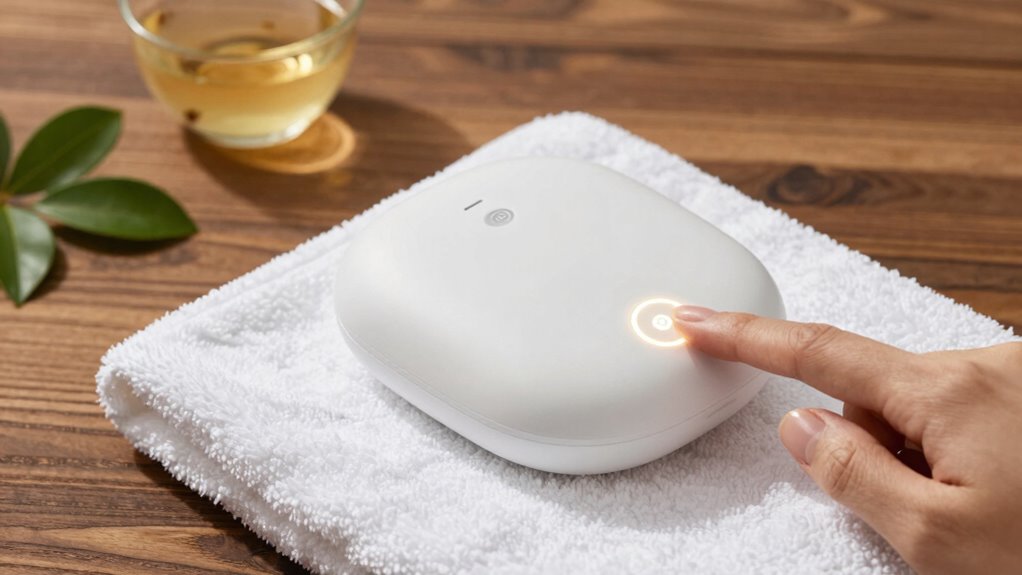
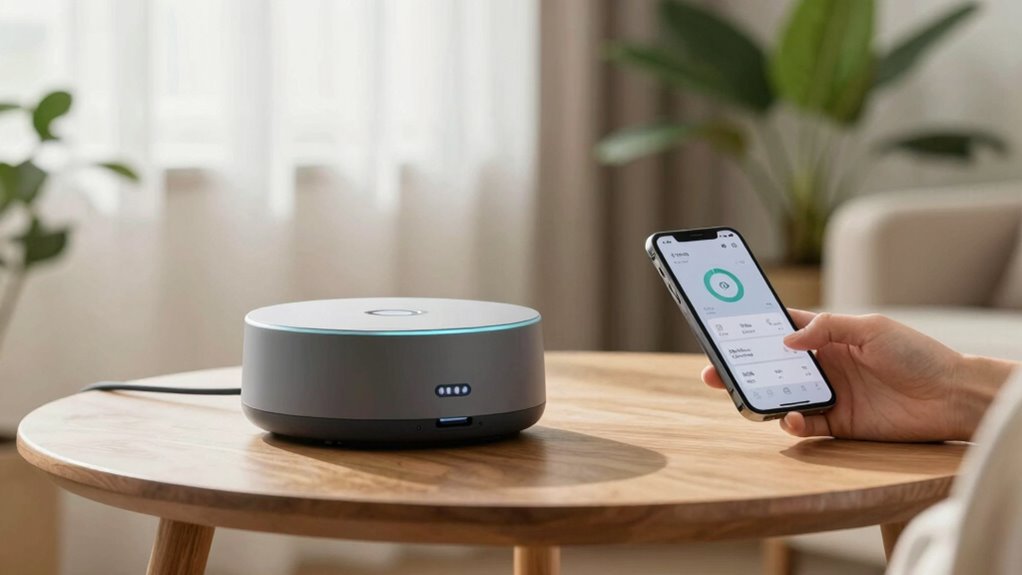
Have you ever wondered if wellness devices truly deliver on their promises? With the rise of digital health gadgets, it’s easy to get caught up in their sleek designs and bold claims. These devices promise to improve your health, boost your energy, and help you manage stress—all from the comfort of your home. But how much of that is real, and how much is marketing hype? The truth is, wellness devices are designed to tap into your desire for quick, easy solutions. They often promise more than they can reliably deliver, fueling your hopes for a healthier lifestyle. As a consumer, you might believe that a simple wristband or app can revolutionize your health, but it’s essential to assess those promises carefully.
Wellness devices often promise quick health fixes, but their true value depends on realistic expectations and scientific validation.
In the world of digital health, consumer trust plays a key role. When you buy a wellness device, you want to believe it’s backed by science and data. Yet, many brands emphasize flashy features and user testimonials over rigorous research. This can lead you to overestimate what these devices can do. While some gadgets genuinely monitor vital signs or motivate healthier habits, others fall short of their claims or provide only superficial insights. Your expectations are shaped by marketing narratives that highlight breakthrough technology, but the actual effectiveness depends on the device’s accuracy and your consistent use. If you’re trusting a device to guide critical health decisions, it’s smart to scrutinize its scientific validation and reviews from other users. Recognizing the limitations of consumer-grade health devices can help you set more realistic expectations and use them effectively.
Your interpretation of what a wellness device promises influences how you use it. If you believe it will automatically make you healthier, you might rely on it too heavily, ignoring other essential health practices. Conversely, if you see it as just a motivational tool, you might approach it with more realistic expectations. Many buyers interpret these devices as a form of digital health empowerment—tools that give you more control over your well-being. That’s a positive outlook, but it’s important to remember that no device can replace professional medical advice or a balanced lifestyle. The promises made by manufacturers often suggest that these gadgets are the key to effortless health improvements, but your trust should be balanced with critical thinking. Understanding the importance of scientific validation can prevent you from falling for devices that lack credible evidence of their claims. Additionally, being aware of user reviews and independent testing can help you differentiate between hype and genuine efficacy.
Furthermore, recognizing that not all features are equally accurate allows you to better interpret the data provided by these devices and avoid making health decisions based solely on unverified information. Ultimately, your interpretation of wellness devices depends on your understanding of their capabilities and limitations. While they can be helpful in tracking habits and providing motivation, they are not magic solutions. Being aware of the gap between promises and actual results helps you make smarter choices. By maintaining a healthy skepticism and focusing on evidence-based practices, you can benefit from digital health tools without falling for exaggerated claims. Trust in these devices grows when you see real, consistent results rather than relying solely on their marketing promises.
As an affiliate, we earn on qualifying purchases.
Frequently Asked Questions
Are Wellness Devices Clinically Validated for Health Improvements?
Many wellness devices aren’t clinically validated for health improvements, so you should be cautious. While some offer product customization tailored to your needs, they often lack rigorous scientific proof. Additionally, you’ll want to evaluate data privacy, as these devices collect sensitive health information. Always research the device’s validation status and privacy policies before trusting it with your health, ensuring you’re making informed, safe decisions.
How Accurate Are the Sensors in Wellness Devices?
Think of wellness device sensors as a compass—generally reliable but not perfect. Their accuracy varies depending on device quality and usage, impacting data reliability. For example, some fitness trackers can measure heart rate within a few beats per minute, but others might be off by more. While they provide valuable insights, you should interpret their data cautiously, understanding that sensor accuracy isn’t 100%, and occasional discrepancies are normal.
Do Wellness Devices Track Mental Health or Only Physical Metrics?
Wellness devices primarily track physical metrics like heart rate, sleep, and activity, but some now offer mental health monitoring features. You can use these devices to gauge emotional well-being by tracking stress levels, mood patterns, or sleep quality, which are linked to mental health. While they provide helpful insights, they shouldn’t replace professional mental health support. Instead, they serve as useful tools to support your overall wellness journey.
What Is the Average Lifespan of a Typical Wellness Device?
A typical wellness device lasts around 2 to 3 years, like a loyal companion that gradually wears with time. Its durability depends on build quality and your user maintenance—regular cleaning, software updates, and proper storage. If you treat your device with care, it can serve you longer, but neglect shortens its lifespan. Think of it as nurturing a plant: with attention, it blooms longer and stays healthier.
Are Wellness Devices Suitable for Children or Only Adults?
Wellness devices are generally designed for adults, but some are suitable for children when they prioritize child safety and age appropriateness. Always check the manufacturer’s guidelines to guarantee the device is safe for your child’s age. Look for features like secure fit, gentle materials, and parental controls. Avoid giving children devices not specifically made for their age, as safety risks and ineffective results can occur otherwise.
As an affiliate, we earn on qualifying purchases.
Conclusion
As you hold that sleek wellness device in your hand, imagine it as a key *revealing* a healthier, more balanced you. While promises shimmer like distant stars, remember that true well-being isn’t a gadget’s glow but your daily choices. Trust your instincts and use these devices as guides, not miracles. In this dance of technology and self-care, you’re the lead—navigating toward genuine wellness amidst the promise-filled glow of every new device.
As an affiliate, we earn on qualifying purchases.
As an affiliate, we earn on qualifying purchases.
Fall Picks
fall essentials
As an affiliate, we earn on qualifying purchases.