TL;DR
A security operation has helped UK businesses secure refrigeration controllers used to manage tens of thousands of fridges and freezers. Researchers and authorities warned companies after identifying a vulnerability; the manufacturer says it has issued initial patches and has seen no evidence of malicious activity on the controllers.
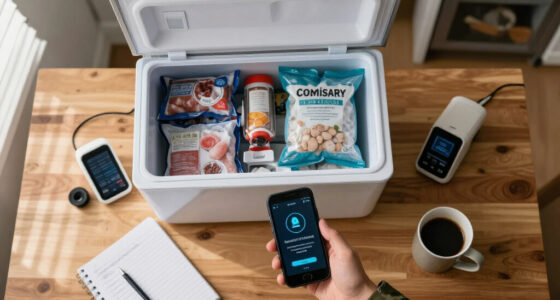
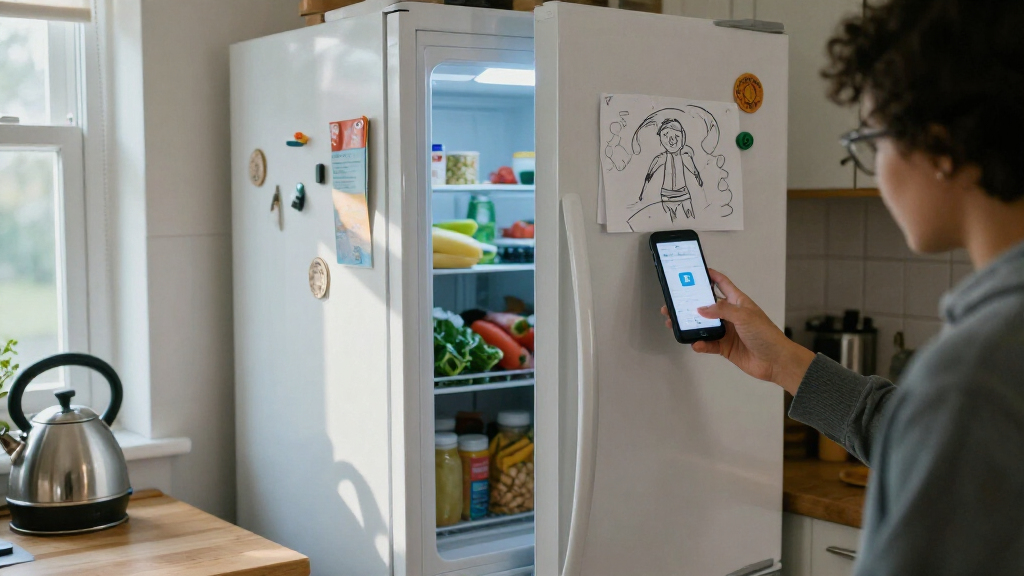
UK supermarkets and other businesses have secured refrigeration systems controlling tens of thousands of fridges and freezers after researchers found a vulnerability that hackers might have exploited, the BBC reported. The response involved security researchers, affected companies and the National Cyber Security Centre (NCSC), alongside food and environment authorities; the equipment is used across sites where a temperature disruption could spoil food or interrupt supply.

Get privacy and security gear delivered free with Prime
- Fast, free delivery on millions of items
- Prime Video, Amazon Music and more included
- Member-only deals all year
The issue concerned refrigeration controllers made by British company Resource Data Management (RDM). Researchers at refrigeration consultancy Omega Solutions identified a security concern, which was then examined and escalated with help from the security firm Pen Test Partners. The BBC reported that the flaw was found in late October, prompting an urgent effort to alert companies before attackers could use it.
The NCSC, the Department for Environment, Food & Rural Affairs and the Food Standards Agency took part in the response. Companies were contacted through industry calls and direct outreach. In some cases, businesses removed controllers from the open internet remotely; others physically disconnected internet cables and monitored refrigeration temperatures by hand. The BBC said thousands of devices were taken offline, affecting systems that can manage multiple refrigeration units.
RDM said it had issued initial patches, contacted customers and recommended steps to reduce risk. The company disputed how severe the vulnerability was and argued that comparisons with attacks on other systems in Europe were not fair. RDM also told the BBC it had found no sign of malicious activity on its controllers and was continuing to work with authorities.
Food Supply Depends on Secure Controls
Refrigeration controllers are operational technology: they manage physical equipment rather than ordinary office software. A successful intrusion could affect temperatures across multiple units, potentially putting food safety and stock at risk, as well as disrupting businesses and their supply chains. The BBC cited a worker at a major supermarket who said a warehouse held millions of pounds’ worth of food that could have been spoiled if attackers had exploited the method.
The response also shows why a weakness in a device that may appear routine can matter beyond one company. Supermarkets, warehouses, restaurants, petrol stations, stadiums and food-processing sites rely on cold storage. Taking systems offline can reduce exposure, but manual monitoring and changes to IT priorities also create practical demands for businesses. The BBC did not report that UK sites suffered a related attack; the operation was preventative.
Products Worth Considering

DJI Mini 4K Fly More Combo Drone with 4K Camera and 3 Batteries

Samsung Galaxy Tab A11+ Tablet (6GB RAM, 128GB Storage, Gray)

Logitech MX Mechanical Wireless Illuminated Keyboard, Tactile Quiet, Graphite
As an affiliate, we earn on qualifying purchases.
European Attacks Prompted UK Checks
The UK security review followed a series of attacks on refrigeration temperature controllers elsewhere. According to the BBC, refrigeration systems at a small number of US military bases were affected in August. On 11 and 12 October, hundreds of supermarkets and food-processing sites in France were hit after Danfoss systems were targeted. France blamed Iran for one wave of attacks, a claim Tehran denied.
On 1 and 2 November, dozens of supermarkets in seven European countries were affected, with Belgium and Luxembourg among the hardest hit, the BBC reported. A small number of blood-bank sites in France were also affected. Those incidents prompted an examination of RDM controllers used in the UK. The equipment and circumstances were not identical: RDM said accessing the hardware involved in the researchers’ test required obtaining a physical component, while the researchers said it could be bought cheaply online.
““It did feel like a race against time as we were expecting another wave of these fridge hacks to come.””
— A worker at a large supermarket chain, speaking anonymously to the BBC
No UK Attack Has Been Reported
The BBC report does not say that hackers exploited the RDM vulnerability or that UK food businesses suffered losses because of it. RDM said it had found no evidence of malicious activity on its controllers, but the full technical details of the flaw and the number of affected organisations have not been made public in the report.
The precise exposure also remains contested. Researchers said the risk was serious enough to prompt urgent action; RDM disputed the severity and said the test required access to a hardware component. The report does not establish whether every potentially affected controller has been patched or disconnected, or whether all companies completed the recommended steps.
Patches and Monitoring Continue
RDM said it would keep working with the NCSC and other authorities to monitor the situation, while continuing to contact customers about patches and mitigation. Businesses that removed controllers from internet access or switched to manual temperature checks will need to manage those safeguards and assess when normal connectivity can safely resume.
The BBC report does not give a timetable for completing remediation across the sector. The immediate next steps are for affected operators to apply available fixes, follow official advice and monitor systems for signs of suspicious activity. Authorities and companies have not announced a public account of the technical vulnerability or a final tally of devices addressed.
Key Questions
What happened to UK refrigeration systems?
Researchers found a vulnerability in RDM refrigeration controllers, leading companies and UK authorities to take steps to reduce the risk. The BBC reported that thousands of devices were taken offline or disconnected.
Were UK fridges actually hacked?
The BBC report describes a preventative security operation, not a confirmed attack on UK sites using the vulnerability. RDM said it had found no sign of malicious activity on its controllers.
Which organisations were involved in the response?
The response included researchers from Omega Solutions and Pen Test Partners, the NCSC, Defra, the Food Standards Agency and businesses using the equipment.
What did RDM do about the vulnerability?
RDM said it had issued initial patches, contacted customers with recommended mitigations and was working with authorities to monitor the situation. It disputed the reported severity of the vulnerability.
Why could a refrigeration controller hack matter?
Controllers can manage the temperatures of multiple fridges or freezers. If an attacker disrupted those settings, businesses could face spoiled stock, operational disruption or supply-chain problems, although the report does not say those outcomes occurred in the UK.
Source: bbc.co.uk