
TL;DR

Get privacy and security gear delivered free with Prime
- Fast, free delivery on millions of items
- Prime Video, Amazon Music and more included
- Member-only deals all year
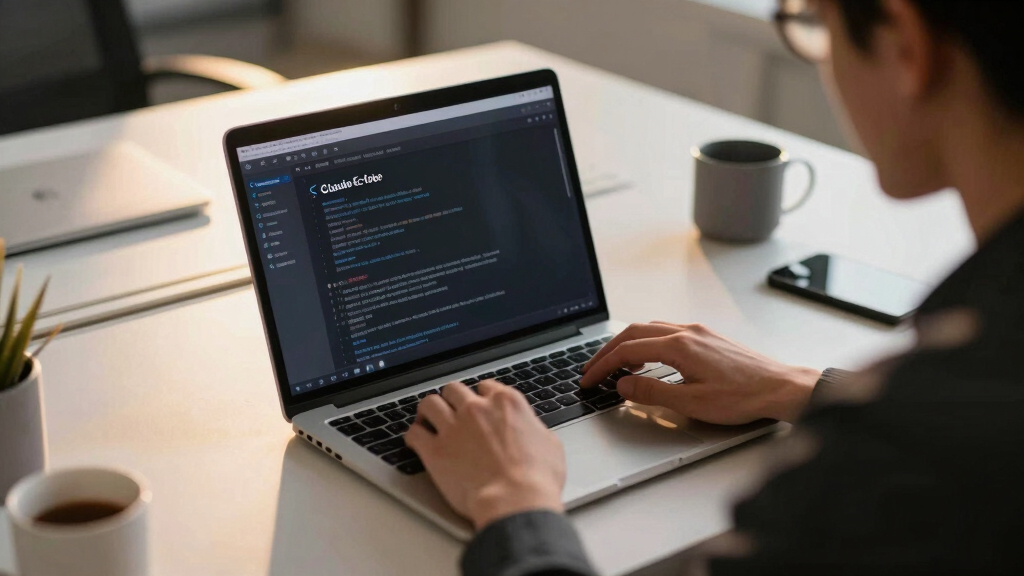
Alibaba has prohibited its staff from using Claude Code, an AI programming tool from Anthropic, due to spyware concerns. The move reflects rising security worries about third-party AI tools in corporate environments.
Alibaba has restricted its employees from using Claude Code, an AI coding tool developed by Anthropic, citing concerns over potential spyware risks. The company’s decision highlights growing worries about security vulnerabilities associated with third-party AI software in corporate settings.
According to sources familiar with Alibaba’s internal policies, the ban was implemented in early March 2024 after security assessments flagged possible spyware risks linked to Claude Code. Alibaba’s cybersecurity team reportedly identified concerns that the software could transmit sensitive corporate data to external servers controlled by third parties, specifically referencing allegations connected to Anthropic, the AI firm behind Claude. Alibaba has not publicly confirmed the specific technical details but emphasized its commitment to data security and intellectual property protection. The move follows broader industry scrutiny of AI tools and their security implications, especially in enterprise environments handling sensitive information.Anthropic has not issued an official statement regarding the spyware concerns or Alibaba’s ban. The company’s spokesperson declined to comment on specific security issues but reiterated its commitment to user privacy and security. Experts note that the decision reflects a cautious approach by Alibaba amid increasing cyber threats and regulatory scrutiny of AI applications. The ban affects all Alibaba employees across divisions who previously used Claude Code for software development and AI tasks, and it is unclear whether other AI tools are also under review.Security Risks of AI Coding Tools in Large Corporations
This development underscores the rising security concerns associated with third-party AI software in corporate environments. As companies increasingly adopt AI tools for development and operational tasks, the risk of data leaks, espionage, or spyware becomes a critical issue. Alibaba’s ban signals a broader shift towards cautious adoption of AI, especially when linked to external providers. The move could influence other firms to reassess their AI security protocols, potentially leading to stricter controls and increased scrutiny of AI vendors. It also raises questions about the security standards of AI providers like Anthropic and how companies can verify the safety of these tools before deployment.
As an affiliate, we earn on qualifying purchases.
Growing Industry Concerns Over AI Security and Spyware Risks
Alibaba’s decision follows a series of heightened cybersecurity alerts and regulatory actions targeting AI and software security. Historically, major corporations have faced challenges in vetting third-party AI tools for vulnerabilities, with some incidents involving data breaches or unauthorized data transmission. Anthropic, founded in 2020, has gained prominence for its AI models like Claude, but concerns about potential security flaws or spyware have emerged in recent months, partly fueled by industry reports and cybersecurity analyses. The broader AI community remains divided on how to balance innovation with security, especially as governments and regulators scrutinize AI applications more closely.
“We prioritize data security and have taken measures to restrict the use of third-party AI tools that pose potential risks to our corporate information.”
— Alibaba cybersecurity spokesperson
As an affiliate, we earn on qualifying purchases.
Extent of Spyware Concerns and Technical Details Unclear
It is not yet confirmed whether the spyware concerns are based on verified technical vulnerabilities or are precautionary. Details about the specific security threats Alibaba identified remain undisclosed, and Anthropic has not provided technical clarifications. The scope of the ban—whether it applies to all AI tools or only Claude Code—is also unclear. Ongoing investigations and cybersecurity assessments are likely, but no conclusive evidence has been publicly presented.
As an affiliate, we earn on qualifying purchases.
Monitoring AI Security Policies and Possible Vendor Revisions
Alibaba is expected to review and potentially tighten its AI security protocols further. The company might also evaluate alternative AI tools or develop in-house solutions to mitigate risks. Meanwhile, industry observers anticipate increased scrutiny of AI vendors like Anthropic, with possible calls for enhanced security certifications and transparency. Regulatory bodies could also step in to establish standards for AI security in enterprise applications. Updates on Alibaba’s internal security measures and any official statements from Anthropic are expected in the coming weeks.
As an affiliate, we earn on qualifying purchases.
Key Questions
Why did Alibaba ban Claude Code specifically?
Alibaba cited concerns over potential spyware linked to Anthropic’s Claude Code, though specific technical details have not been publicly disclosed.
Could this ban affect other companies’ use of AI tools?
Yes, the move may prompt other firms to reassess their AI security policies and scrutinize third-party AI tools more closely.
Has Anthropic responded to these concerns?
Anthropic has not directly addressed the spyware allegations but reaffirmed its commitment to user privacy and security.
What are the potential security risks associated with AI coding tools?
Risks include data leaks, unauthorized data transmission, and malicious spyware that could compromise corporate or user information.
Source: google-trends
Fall Picks
fall essentials
As an affiliate, we earn on qualifying purchases.