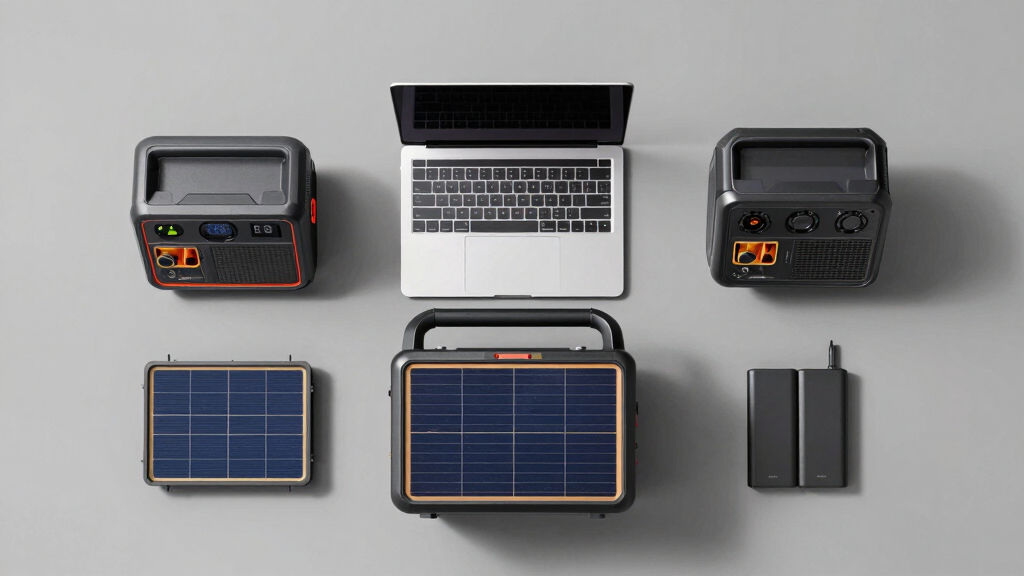
When searching for the best solar generators over $500, you’re typically balancing higher capacity, better build quality, and more advanced features. The Jackery Solar Generator 5000 Plus stands out for its impressive 5040Wh capacity and high AC output, making it ideal for serious home backup. Meanwhile, the BLUETTI Solar Generator Elite 400 offers a robust combination of large capacity and fast solar recharging, perfect for extended outdoor use. A key tradeoff in this category is between price and versatility—more expensive models tend to offer higher capacity and faster charging but come with increased costs. Continue reading for a detailed breakdown of each option to find the best fit for your power needs.

Get privacy and security gear delivered free with Prime
- Fast, free delivery on millions of items
- Prime Video, Amazon Music and more included
- Member-only deals all year
Complete the kit


Key Takeaways
- Higher capacity models like the Jackery 5000 Plus excel for large-scale backup but come at a premium price.
- Build quality and battery longevity vary significantly, with LFP batteries providing longer lifespan in premium models.
- Solar input capacity is critical for faster recharging, especially in off-grid scenarios, influencing overall usability.
- Port selection and power output options differ, impacting compatibility with various devices and appliances.
- Price tends to correlate with advanced features; understand which features justify the investment for your needs.
| BP3000 3200W Portable Power Station with 200W Solar Panel |  | Best Overall for High-Demand Off-Grid Power | Wattage: 3200 watts | Battery Capacity: 2048Wh | Battery Type: LiFePO4 | VIEW LATEST PRICE | See Our Full Breakdown |
| BLUETTI Solar Generator Elite 400 with 2x200W Solar Panels – 3840Wh |  | Best for Extended Off-Grid Power and Home Backup | Wattage: 2600 watts | Battery Capacity: 3840Wh | Battery Type: LiFePO4 | VIEW LATEST PRICE | See Our Full Breakdown |
| Jackery HomePower 3000 with 2x200W Solar Panels, 3072Wh, 3600W AC Output |  | Best for Reliable Home and Outdoor Backup Power | Battery Capacity: 3072Wh | Output Wattage: 3600W | Battery Type: LiFePO4 | VIEW LATEST PRICE | See Our Full Breakdown |
| BLUETTI Elite 200 V2 Solar Generator with 2x200W Solar Panels |  | Best for Long Lifespan and Continuous Power | Capacity: 2073.6Wh | Continuous AC Power: 2600W | Battery Type: LiFePO4 | VIEW LATEST PRICE | See Our Full Breakdown |
| BLUETTI Solar Generator Elite 300 & 2x200W Solar Panels, 3014.4Wh Portable Power Station with LFP Battery |  | Best Compact Power with Long Cycle Life | Wattage: 2400 watts | Capacity: 3014.4Wh | Battery Type: LiFePO4 | VIEW LATEST PRICE | See Our Full Breakdown |
| Jackery Solar Generator 5000 Plus with 2x200W Panels, 5040Wh, 7200W AC Output |  | Best Overall for High-Power Home Backup and Extended Camping | Wattage: 7200 watts | Battery Capacity: 5040Wh | Power Source: Battery Powered | VIEW LATEST PRICE | See Our Full Breakdown |
| BROWEY 1600W Portable Power Station with 1024Wh LiFePO4 Battery and Built-in Solar Panel |  | Best for Portable Green Power with Versatile Charging Options | Battery Capacity: 1024Wh | Power Output: 1600W (3200W peak) | Battery Type: LiFePO₄ | VIEW LATEST PRICE | See Our Full Breakdown |
| ABOK Ark3600 Portable Power Station with 400W Solar Panel, 2000W Solar Input |  | Best for Long-Term Off-Grid and Emergency Power with High Expandability | Wattage: 3600W | Battery Capacity: 3840Wh (expandable to 11520Wh) | Battery Type: LiFePO₄ | VIEW LATEST PRICE | See Our Full Breakdown |
| PECRON F3000LFP Solar Generator with 300W Solar Panel, 3072Wh Portable Power Station, 3600W LiFePO4 Battery for Home, Camping, RV, Emergency |  | Best for Heavy-Duty Power with Fast Charging and Emergency Backup | Wattage: 3600W | Battery Capacity: 3072Wh | Power Source: Solar Powered | VIEW LATEST PRICE | See Our Full Breakdown |
| Jackery Solar Generator 1000 v2 with 200W Solar Panel, 1070Wh, 1500W AC |  | Best Overall for Portable Power with Fast Charging | Wattage: 1500 watts | Capacity: 1070Wh | Output Wattage: 1500W | VIEW LATEST PRICE | See Our Full Breakdown |
| BLAVOR 1600W Solar Generator with 1024Wh Capacity and Built-In 40W Panel |  | Best Built-In Solar Panel for Convenience and Long-Term Use | Capacity: 1024Wh | Power Output: 1600W (3200W peak) | Battery Type: LiFePO4 | VIEW LATEST PRICE | See Our Full Breakdown |
| solar generators over $500 | Battery Type | Wattage | Battery Capacity | Weight |
|---|---|---|---|---|
| BP3000 3200W Portable Power St | LiFePO4 | 3200 watts | 2048Wh | 49 pounds |
| BLUETTI Solar Generator Elite | LiFePO4 | 2600 watts | 3840Wh | 86 pounds |
| Jackery HomePower 3000 with 2x | LiFePO4 | — | 3072Wh | 59.5 pounds |
| BLUETTI Elite 200 V2 Solar Gen | LiFePO4 | — | — | B0FSJM6NZC not specified |
| BLUETTI Solar Generator Elite | LiFePO4 | 2400 watts | — | — |
| Jackery Solar Generator 5000 P | — | 7200 watts | 5040Wh | — |
| BROWEY 1600W Portable Power St | LiFePO₄ | — | 1024Wh | 26.5 pounds |
| ABOK Ark3600 Portable Power St | LiFePO₄ | 3600W | 3840Wh (expandable to 11520Wh) | 92 pounds |
| PECRON F3000LFP Solar Generato | — | 3600W | 3072Wh | 63.3 pounds |
| Jackery Solar Generator 1000 v | — | 1500 watts | — | — |
| BLAVOR 1600W Solar Generator w | LiFePO4 | — | — | — |
More Details on Our Top Picks
BP3000 3200W Portable Power Station with 200W Solar Panel
The BP3000 stands out for its high capacity and robust inverter, making it ideal for users who need to power multiple high-demand devices during extended off-grid stays or emergencies. Compared with the BLUETTI Elite 200 V2, the BP3000 offers a larger battery (2048Wh vs. 2073.6Wh) and higher surge capacity, which is critical for starting larger appliances. Its support for fast AC and solar charging enhances flexibility, though at 49 pounds, portability is limited. The built-in UPS feature provides uninterrupted power, a key advantage over models without this capability. However, its runtime is limited to about an hour at full load, so it’s better suited for short-term backup rather than continuous use. This pick makes the most sense for those who prioritize raw power and reliability over portability or lighter weight.
Pros:- Large 2048Wh LiFePO4 battery for extended high-demand use
- Supports fast AC and solar charging for flexible recharging
- Multiple output ports including 14 outlets for diverse device needs
- Built-in UPS for seamless power during outages
Cons:- Heavy at 49 pounds, difficult to transport
- Limited runtime of around 1 hour at full load
- Requires separate shipping for solar panel
Best for: High-demand outdoor enthusiasts or emergency prepper households needing reliable, high-capacity power
Not ideal for: Campers or travelers needing lightweight, portable solutions due to its weight and size
- Wattage:3200 watts
- Battery Capacity:2048Wh
- Battery Type:LiFePO4
- Surge Power:6400W
- AC Charging:1800W
- Solar Input:1000W
- Number of Output Ports:14
- Weight:49 pounds
- Dimensions:11″L x 13.4″W x 15″H
Our verdict“This is best suited for users who need serious power capacity and reliability, and are less concerned with portability.”
BLUETTI Solar Generator Elite 400 with 2x200W Solar Panels – 3840Wh
The BLUETTI Elite 400 offers impressive capacity with 3840Wh, making it ideal for long-term off-grid living or home backup. With a 2600W continuous power output, it can handle most household essentials and outdoor appliances with ease. Its inclusion of two 200W solar panels allows for relatively quick recharging, though the 19-hour recharge time from solar alone can be a drawback for those expecting quick turnaround. Compared to the Jackery HomePower 3000, the Elite 400’s higher capacity and longer cycle life (over 6000 cycles) make it a more durable investment, especially for frequent use. On the downside, its weight of 86 pounds limits portability, making it better suited for stationary setups. This model makes the most sense for users who need serious capacity and long-term durability in a stationary or semi-permanent setup.
Pros:- High-capacity 3840Wh LiFePO4 battery for long-term use
- Supports multiple recharging options including solar and AC
- Long lifespan with 6,000+ cycles
- Fast recharge via AC in just over an hour
Cons:- Heavy at 86 pounds, less portable
- Long solar recharge time (up to 19 hours)
- Higher price may be a barrier for some buyers
Best for: Homeowners or off-grid residents seeking reliable, long-lasting backup power
Not ideal for: Travelers or campers needing lightweight, portable units due to its weight
- Wattage:2600 watts
- Battery Capacity:3840Wh
- Battery Type:LiFePO4
- Additional Features:Super quiet, ≤15ms UPS backup
- Weight:86 pounds
- Dimensions:17″L x 11″W x 41″H
Our verdict“This is an excellent choice for those prioritizing capacity, durability, and long-term off-grid reliability over portability.”
Jackery HomePower 3000 with 2x200W Solar Panels, 3072Wh, 3600W AC Output
The Jackery HomePower 3000 is designed for users who need a dependable, high-capacity backup for home or outdoor use. Its 3072Wh capacity and 3600W output stand out, especially in comparison with smaller units like the BLUETTI Elite 200 V2. The fast recharging options—solar, AC, and car—enhance usability during emergencies. Its durable LiFePO4 batteries with 4,000+ cycles ensure longevity, making it a good investment for long-term reliability. Despite its weight of nearly 60 pounds, its multiple ports—including USB-C, USB-A, and RV outlets—make it versatile. The main tradeoff involves its higher price and the need to purchase solar panels separately, which adds to setup complexity. Overall, this model is a sound choice for those who want a combination of power, durability, and fast recharge options.
Pros:- High capacity of 3072Wh with 3600W output
- Supports fast recharging via solar, AC, and car
- Long-lasting LiFePO4 batteries with 4000+ cycles
- Multiple versatile ports for various device types
Cons:- Heavy at nearly 60 pounds, less portable
- Solar panels are sold separately
- Relatively high price for some budgets
Best for: Homeowners or outdoor enthusiasts needing a durable, high-capacity backup with fast recharge options
Not ideal for: Travelers seeking ultra-lightweight or highly portable solutions due to weight
- Battery Capacity:3072Wh
- Output Wattage:3600W
- Battery Type:LiFePO4
- Power Source:Solar/AC/Car
- Weight:59.5 pounds
- Dimensions:16″ x 13″ x 20″
Our verdict“This unit is well-suited for those who need dependable, high-capacity power with fast recharging, especially for home backup or outdoor use.”
BLUETTI Elite 200 V2 Solar Generator with 2x200W Solar Panels
The BLUETTI Elite 200 V2 offers a compelling blend of capacity and longevity, with 2073.6Wh of power and an estimated lifespan of 17 years or 6,000 cycles. Its fast recharge time—under 2.5 hours with solar—makes it stand out for off-grid or backup applications. Compared to the BP3000, it has a smaller capacity but benefits from a longer lifespan and more manageable weight at around 50 pounds. It supports high power output (2600W continuous) and multiple device connections, making it a versatile choice for extended off-grid living or backup needs. The main tradeoff is that the solar panels are shipped separately, adding to setup time. This generator is best for consumers who prioritize longevity and continuous power over maximum capacity.
Pros:- High-capacity 2073.6Wh battery with 6,000+ cycle life
- Fast solar recharge in 2.4 hours
- Supports multiple devices simultaneously with 2600W continuous power
- Durable automotive-grade LiFePO4 battery
Cons:- Solar panels shipped separately, increasing setup complexity
- Heavy and less portable for frequent travelers
- Higher price point for premium features
Best for: Off-grid residents or those seeking a long-lasting backup with quick solar recharging
Not ideal for: Users needing maximum capacity for large appliances, as its capacity is slightly lower than others on this list
- Capacity:2073.6Wh
- Continuous AC Power:2600W
- Battery Type:LiFePO4
- Recharge Time (solar):2.4 hours
- Lifespan:17 years / 6,000 cycles
- Weight:B0FSJM6NZC not specified
Our verdict“This model is ideal for those valuing long-term durability and continuous power, especially in off-grid or backup scenarios.”
BLUETTI Solar Generator Elite 300 & 2x200W Solar Panels, 3014.4Wh Portable Power Station with LFP Battery
The BLUETTI Elite 300 combines high capacity with a compact design, featuring a 3014Wh LiFePO4 battery that supports over 6000 cycles. Its portability makes it a good fit for RV trips, camping, or emergency backup where space and weight matter. Supporting a 2400W continuous output and quick recharging via solar or AC, it balances power and convenience effectively. Compared to the Jackery HomePower 3000, it is nearly 60% smaller, making it more manageable for users who need portability without sacrificing much capacity. Its solar panels are sold separately, which might add to initial setup time and cost. If space and weight are critical factors, this generator offers a compelling mix of capacity and long-term durability.
Pros:- High-capacity 3014Wh LiFePO4 battery with 6000+ cycles
- Compact and lightweight design, nearly 60% smaller than traditional units
- Supports multiple charging options including solar and AC
- Supports high power output (2400W) with multiple outlets
Cons:- Solar panels are sold separately, requiring additional purchase
- Limited number of AC outlets for high-power devices
- Price not specified, but likely premium for its features
Best for: Travelers or campers needing a high-capacity, portable power station with durable batteries
Not ideal for: Users requiring maximum simultaneous high-power outlets, as it has only two AC outlets
- Wattage:2400 watts
- Capacity:3014.4Wh
- Battery Type:LiFePO4
- Power Outlets:2
- Charge Time:78 minutes to 80%
- Lifespan:6,000+ cycles
Our verdict“This generator is perfect for those who need a portable, high-capacity power source with long-term durability for travel or camping.”
Jackery Solar Generator 5000 Plus with 2x200W Panels, 5040Wh, 7200W AC Output
The Jackery Solar Generator 5000 Plus stands out for its exceptional power output, supporting major appliances with a rated 7200W and a substantial 5040Wh capacity. Compared with the P5000 Pro, it offers a slightly higher runtime and faster recharging in about 2 hours, making it ideal for long-term backup. Its LiFePO₄ batteries, rated for up to 11 years, add significant reliability, though the unit’s weight of 134.5 pounds makes portability a challenge. This model is better suited for those needing consistent, high-capacity power for home use or large outdoor setups, rather than frequent transport. The main tradeoff is its bulkiness and weight, which limits mobility but provides unmatched power and durability.
Pros:- High power output capable of running major appliances
- Fast solar recharge in about 2 hours
- Long-lasting LiFePO₄ batteries with an 11-year lifespan
- Expandable capacity for extended backup
Cons:- Heavy and cumbersome at 134.5 pounds
- Limited runtime of 13 minutes at full load
- Requires ample space and proper setup for installation
Best for: Homeowners seeking reliable, high-capacity backup power or large-scale outdoor events where mobility is secondary
Not ideal for: Individuals needing a lightweight, portable power solution for frequent outdoor excursions or small camping trips
- Wattage:7200 watts
- Battery Capacity:5040Wh
- Power Source:Battery Powered
- Recommended Uses For Product:Camping, Commercial, Residential
- Voltage:120 volts
- Runtime:13 minutes at full load
- Item Weight:134.5 pounds
- Additional Features:Fast recharging, expandable capacity
Our verdict“This generator fits best in settings where power reliability outweighs portability, making it ideal for residential backup and large outdoor needs.”
BROWEY 1600W Portable Power Station with 1024Wh LiFePO4 Battery and Built-in Solar Panel
The BROWEY 1600W Power Station makes a compelling choice for outdoor enthusiasts and emergency users who value portability without sacrificing capacity. Its 1024Wh LiFePO₄ battery and 1600W (3200W peak) pure sine wave inverter deliver reliable power for camping, RV trips, or light home backup. Unlike the heavier PECRON F3000LFP, which offers higher capacity but weighs over 63 pounds, the BROWEY is more manageable at a lighter 26.5 pounds, yet still supports multiple charging methods, including solar. The 40W built-in solar panel is suitable for quick recharges, but slower in low sunlight, which is a tradeoff compared to larger panels. This pick is well-suited for those prioritizing portability but still needing ample power for essential devices.
Pros:- Lightweight and portable at 26.5 pounds
- Built-in 40W solar panel for quick recharging
- Reliable LiFePO₄ battery with long cycle life
- Multiple output ports for diverse devices
Cons:- Limited solar input of 40W may slow recharge in low sunlight
- Moderate capacity may be insufficient for heavy-duty needs
- Price could be high relative to smaller portable units
Best for: Outdoor adventurers or emergency prepper households seeking a portable, all-in-one power solution
Not ideal for: Users with high power demands or those needing long-lasting power in extended outages, due to its moderate capacity
- Battery Capacity:1024Wh
- Power Output:1600W (3200W peak)
- Battery Type:LiFePO₄
- Built-in Solar Panel:Yes, 40W
- Charging Time:Approximately 3 hours to 80%
- Weight:26.5 pounds
Our verdict“Ideal for outdoor users who need a lightweight, all-in-one power station with quick solar recharging capability.”
ABOK Ark3600 Portable Power Station with 400W Solar Panel, 2000W Solar Input
The ABOK Ark3600 offers an impressive 3840Wh lithium iron phosphate battery, with expandability up to 11520Wh, making it a versatile choice for those planning long-term off-grid living or extensive emergency backup. Its 2000W solar input supports rapid recharging, even in less-than-ideal sunlight, and the 15 output ports ensure multiple devices are covered. Compared to the PECRON F3000LFP, which has a slightly lower capacity but is more portable at 63.3 pounds, the Ark3600’s bulkiness might limit portability. It’s best suited for users who want a durable, expandable system for long-term power needs rather than quick, lightweight setups. The main tradeoff is its weight and higher price, which may restrict casual or small-scale use.
Pros:- High-capacity, expandable battery for long-term use
- Fast charging with 2000W solar input
- Versatile output options and durable design
- Supports long lifespan with 4000+ cycles
Cons:- Heavy at 92 pounds, difficult to carry
- Size may limit portability and quick setup
- Potentially expensive for casual users
Best for: Preppers or long-term off-grid users needing scalable, heavy-duty power storage
Not ideal for: Users requiring a lightweight, portable solution for short trips, due to its 92-pound weight
- Wattage:3600W
- Battery Capacity:3840Wh (expandable to 11520Wh)
- Battery Type:LiFePO₄
- Cycle Life:4000 cycles
- Input Power:2000W solar, 1500W AC
- Weight:92 pounds
Our verdict“Best suited for those who need a durable, high-capacity power system for extended off-grid or emergency scenarios.”
PECRON F3000LFP Solar Generator with 300W Solar Panel, 3072Wh Portable Power Station, 3600W LiFePO4 Battery for Home, Camping, RV, Emergency
The PECRON F3000LFP offers a solid 3072Wh capacity with a 3600W LiFePO₄ inverter, suitable for powering multiple devices simultaneously during emergencies or off-grid living. Its fast charging capability in just 2 hours rivals the Jackery 5000 Plus, but at a slightly lower capacity and heavier weight of 63.3 pounds, it’s more portable than larger units like the P5000 Pro. The 6 output ports and UPS backup make it highly versatile, yet the need to purchase accessories separately and the bulkier size can complicate quick deployment. This model suits users wanting dependable, heavy-duty power with rapid recharging for home or outdoor use.
Pros:- Fast charging in about 2 hours
- High power with 3600W inverter
- Long-lasting LiFePO₄ batteries with 4000 cycles
- UPS backup for emergencies
Cons:- Requires additional accessories for full setup
- Bulkier size may limit quick mobility
- Price can be high for casual users
Best for: Emergency preparedness or home backup requiring reliable, fast-charging power station with multiple device support
Not ideal for: Lightweight travelers or casual campers who prioritize portability over power capacity
- Wattage:3600W
- Battery Capacity:3072Wh
- Power Source:Solar Powered
- Additional Features:UPS, fast charging
- Runtime:76 hours
- Weight:63.3 pounds
Our verdict“Perfect for users who need a reliable, fast-charging, heavy-duty power station with emergency backup features.”
Jackery Solar Generator 1000 v2 with 200W Solar Panel, 1070Wh, 1500W AC
The Jackery Solar Generator 1000 v2 stands out for its high capacity of 1070Wh combined with a surprisingly lightweight design at just 23.8 pounds, making it ideal for outdoor adventurers who need reliable power on the go. Its ability to recharge to full in roughly an hour via fast charging is a significant advantage over models like the BLAVOR 1600W, which, despite comparable capacity, takes longer to recharge. The inclusion of multiple ports, including USB-C and AC outlets, enhances versatility. However, it requires activating an emergency mode for that rapid recharge, and the solar panel is shipped separately, which could delay setup. Its limited runtime of around 2 hours at full load is a tradeoff for its portability and fast recharge speed. Compared to larger, stationary units like the BLUETTI Elite 200 V2, it prioritizes mobility over extended runtime, making it perfect for quick outdoor use rather than prolonged outages.
Pros:- High capacity of 1070Wh in a portable form factor
- Fast charging reduces recharge time to about 1 hour
- Multiple versatile ports including USB-C and AC outlets
- Lightweight design ideal for outdoor use
Cons:- Requires enabling emergency mode for fast recharge
- Solar panel shipped separately, adding setup delay
- Limited runtime of approximately 2 hours at full load
Best for: Outdoor enthusiasts and campers who need quick, portable power with fast recharge times
Not ideal for: Home backup during extended outages, as it offers limited runtime at high load
- Wattage:1500 watts
- Capacity:1070Wh
- Output Wattage:1500W
- Fast Charging:Yes
- Item Weight:23.8 pounds
- Dimensions:12.87″L x 8.82″W x 9.72″H
Our verdict“This model is best suited for active users who need reliable, portable power with quick recharging capabilities.”
BLAVOR 1600W Solar Generator with 1024Wh Capacity and Built-In 40W Panel
The BLAVOR 1600W offers a compelling balance of capacity and convenience, featuring a built-in 40W solar panel that simplifies portable recharging—ideal for users who prioritize a compact, all-in-one solution. Its 1024Wh capacity and 1600W rated output make it suitable for powering a range of devices, from small appliances to electronics, during outdoor trips or power outages. The LiFePO4 battery ensures over 4,000 recharge cycles, promising long-term durability, especially compared to the Jackery 1000 v2’s shorter lifespan. However, the external solar panel is sold separately, which could be inconvenient for those seeking a ready-to-go package. The generator itself can handle devices within its rated power, but its weight and the need for external panels may be less appealing for ultra-light backpackers. Compared with larger units like the Jackery Solar Generator 5000 Plus, this unit sacrifices some capacity for portability and built-in solar integration.
Pros:- Built-in 40W solar panel for easy portable recharging
- 1024Wh capacity with 1600W rated output for versatile use
- LiFePO4 battery with over 4,000 cycles for durability
- Multiple recharging options including wall and car power
Cons:- External solar panel sold separately, adding to cost and setup time
- Heavy for some users, which may hinder portability
- Limited to device wattage within its rated capacity
Best for: Hikers, tailgaters, and casual outdoor users looking for a reliable, integrated solar power solution
Not ideal for: Homes or RV owners needing sustained, high-capacity backup power, due to weight and external panel requirement
- Capacity:1024Wh
- Power Output:1600W (3200W peak)
- Battery Type:LiFePO4
- Input Charging Options:Wall, car, built-in 40W solar, external solar (sold separately)
- Cycle Life:4000+ cycles
- USB-C Port:100W bidirectional fast-charging
Our verdict“This generator is ideal for users wanting a compact, all-in-one solution with durable battery life for outdoor adventures or emergency use.”

How We Picked
I evaluated these solar generators based on their capacity, build quality, solar input capabilities, portability, and overall value. Priority was given to models that balance high performance with reliable, durable components—especially in the $500+ range where quality differences are more pronounced. I also considered user-relevant features like multiple output ports, recharging speed, and battery longevity. The ranking reflects a combination of these factors, favoring options that deliver consistent power for home, camping, or emergency use while offering long-term durability and reasonable price points for their class.| solar generators over $500 | Battery Type |
|---|---|
| BP3000 3200W Portable Power St | LiFePO4 |
| BLUETTI Solar Generator Elite | LiFePO4 |
| Jackery HomePower 3000 with 2x | LiFePO4 |
| BLUETTI Elite 200 V2 Solar Gen | LiFePO4 |
| BLUETTI Solar Generator Elite | LiFePO4 |
| Jackery Solar Generator 5000 P | — |
| BROWEY 1600W Portable Power St | LiFePO₄ |
| ABOK Ark3600 Portable Power St | LiFePO₄ |
| PECRON F3000LFP Solar Generato | — |
| Jackery Solar Generator 1000 v | — |
| BLAVOR 1600W Solar Generator w | LiFePO4 |
Factors to Consider When Choosing Best Solar Generators Over $500
Choosing a solar generator over $500 requires weighing several key factors to ensure you get a model that meets your specific needs. Beyond capacity, consider how quickly it can recharge via solar, how many devices it can support simultaneously, and the durability of its components. Making the wrong choice can lead to insufficient power during critical moments or unnecessary expense on features you don’t need. Here are the main factors to keep in mind:Capacity and Power Output
The capacity, measured in watt-hours (Wh), determines how long your devices can run. Higher capacity models like the Jackery 5000 Plus are better suited for extended outages or large appliances, but they also tend to be heavier and more expensive. Power output, especially surge capacity and continuous wattage, affects whether your generator can handle high-demand devices like refrigerators or power tools. Matching capacity and output to your typical power needs prevents underperformance or overpaying for unneeded capacity.
Solar Input and Recharging Speed
Fast solar input capacity allows for quicker recharging in outdoor or emergency scenarios, which is critical if you rely on the generator for prolonged periods without grid power. Look for models with higher solar input ratings—such as 400W or more—and compatibility with multiple panels. Keep in mind that real-world recharging is influenced by sunlight conditions and panel quality, so higher input ratings offer more flexibility and faster turnaround times during cloudy days or in less-than-ideal sunlight.
Battery Chemistry and Longevity
Battery chemistry impacts how long your generator will last over its lifetime. Lithium Iron Phosphate (LFP) batteries, found in some premium models, typically offer more charge cycles—up to 3,000 or more—compared to standard lithium-ion options. Investing in a generator with a durable battery chemistry can significantly reduce replacement costs and ensure reliable performance over years of use, especially for frequent or long-term deployments.
Port Selection and Connectivity
Consider the variety and number of outlets—AC, DC, USB, and specialized ports—needed for your devices. Some models boast multiple AC outlets capable of supporting heavy-duty appliances, while others focus on USB and low-wattage outputs suitable for camping gear or small electronics. This selection can influence the generator’s versatility and whether it can support your entire setup during an outage or outdoor trip. Prioritize models that match your device mix and future expansion plans.
Price, Size, and Portability
Higher-priced models tend to be larger and heavier, which can impact portability if you need to move the generator frequently. Conversely, more compact units with high capacity are often more expensive, reflecting advanced engineering. Consider how you’ll transport or store the generator—if portability is a priority, look for lighter options with sufficient capacity. Balance your budget against the physical footprint and your ability to handle the unit regularly.
Frequently Asked Questions
Can I run my refrigerator with a solar generator over $500?
Yes, many solar generators in this price range can support refrigerators, especially those with a continuous wattage of 1000W or more. Check the surge and continuous power ratings to ensure they meet your appliance’s startup and running requirements. Larger capacity models like the Jackery 5000 Plus are particularly suited for this purpose, providing enough runtime for essential refrigeration during outages. Always verify your refrigerator’s wattage and compare it against the generator’s specs before purchasing.
How long does it take to recharge these generators with solar panels?
Recharging time varies significantly based on solar input capacity and sunlight conditions. Models with higher solar input ratings, such as 400W or more, can typically recharge in 4-8 hours in direct sunlight, but cloudy weather can extend this period. Some units also support faster recharging via AC power, which might be necessary if quick turnaround is needed. Always consider your typical sunlight availability when evaluating recharging times for outdoor or emergency use.
Are these generators suitable for off-grid living?
Many of these options are well-suited for off-grid use, especially those with large capacities and high solar input ratings. The Jackery 5000 Plus, for example, offers ample power for extended periods, while models with durable batteries and multiple ports support a variety of devices. However, portability and size may be limiting factors depending on your setup. For permanent off-grid installations, focus on models with reliable battery chemistry, high solar input, and a robust build quality.
What should I consider when choosing between a LiFePO4 and lithium-ion battery?
LiFePO4 batteries generally provide longer lifespan, more charge cycles, and better thermal stability than standard lithium-ion batteries. This makes them a smarter investment for frequent use or long-term storage, reducing replacement costs. However, they tend to be heavier and sometimes more expensive upfront. If durability and longevity are priorities, especially for off-grid or emergency backup, choosing a model with an LFP battery can pay off over time.
Is capacity more important than power output for my needs?
The importance of capacity versus power output depends on your specific use case. High capacity (Wh) ensures longer runtimes for multiple devices or larger appliances, while higher power output (W) allows support for devices with higher surge or continuous demands. For example, if you plan to run a refrigerator or power tools, prioritize models with higher wattage ratings. Conversely, for lightweight electronics and camping, a smaller capacity with sufficient output may suffice. Matching your typical power needs with the generator’s specs is key.
Conclusion
For most users seeking a balance of capacity, durability, and advanced features, the Jackery Solar Generator 5000 Plus offers excellent overall performance. Those prioritizing long-term investment and off-grid reliability should consider models with LFP batteries like the BLUETTI Elite 400. Beginners or occasional users might find the BLAVOR 1600W sufficient and more manageable in size. If you need heavy-duty backup for appliances, the PECRON F3000LFP provides high capacity and fast solar input. Ultimately, choosing the right generator depends on your specific power needs, portability requirements, and budget constraints.
Halloween Picks
halloween
As an affiliate, we earn on qualifying purchases.