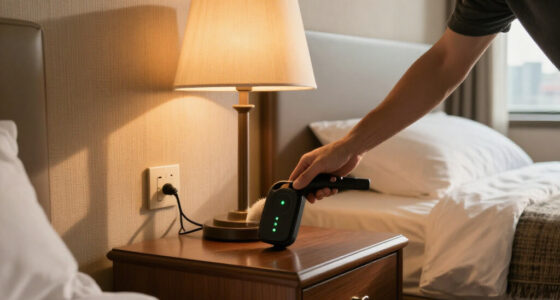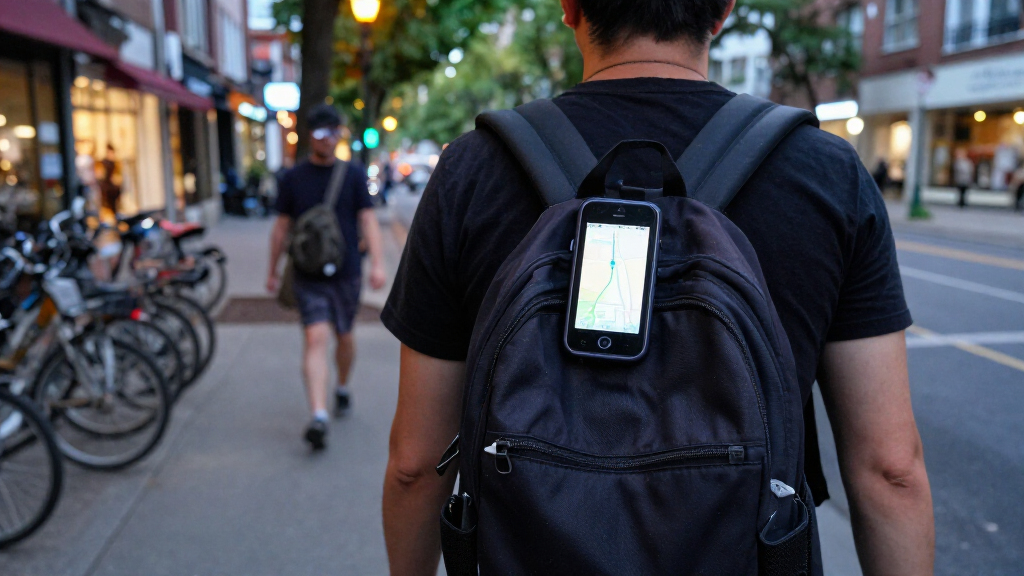
For most buyers, I rank the Tracki Pro 4G LTE GPS Tracker as the best overall choice for personal security because it offers a versatile tracking approach without being limited to one specific use case. The AngelSense GPS Tracker stands out for monitoring a person who may need dedicated safety support, while the PAJ GPS Tracker adds an SOS button and voice messages for users who want a direct way to ask for help. The main tradeoffs are whether you need live GPS or a location network, how often you want updates, and whether ongoing service or battery upkeep fits your routine. Vehicle-wired or OBD-connected models can simplify regular car monitoring, while portable units allow more flexible placement but may need charging. Read on for the full comparison and guidance on choosing a tracker that matches your safety needs.

Get privacy and security gear delivered free with Prime
- Fast, free delivery on millions of items
- Prime Video, Amazon Music and more included
- Member-only deals all year
Key Takeaways
- Tracki Pro ranks first for its broad vehicle-tracking fit; the OBD-based MOTOsafety and Bouncie are more specialized around a car’s use and driving data.
- AngelSense and PAJ address different personal-safety needs: AngelSense is aimed at monitoring a person, while PAJ adds an SOS button and voice messages.
- Find My-compatible trackers are a different kind of choice: KADUPII and Boillisime prioritize iOS network compatibility, so buyers should distinguish that approach from a dedicated live GPS tracking service.
- Power and upkeep can shape real-world usefulness: long battery claims may reduce charging chores, while compact or vehicle-connected designs can suit routines where regular access to power is available.
- Subscriptions, installation, and alerts separate the vehicle picks: compare service requirements and whether you want location alone, driving insights, or teen-driver coaching before choosing.
| BrickHouse Security Spark Nano 7 GPS Tracker for Vehicles with Extended Battery |  | Best for Long-Interval Vehicle Tracking | Connectivity: 4G LTE | Battery life, extended battery: Up to 250 days standby or 140 days at one hour of tracking per day | Battery life, standard battery: Up to 14 days standby, 14 hours continuous tracking, or about 7 days typical use | VIEW LATEST PRICE | See Our Full Breakdown |
| AngelSense GPS Tracker with One Year of Service |  | Best for Caregiver-Led Personal Safety | Connectivity: Cellular | Tracking: Real-time GPS, location history, route tracking, and alerts | Communication: Auto-answer two-way voice calling | VIEW LATEST PRICE | See Our Full Breakdown |
| KADUPII GPS Tracker for Vehicles with Magnetic Mount, Find My Compatibility, and 730-Day Battery |  | Best for Long-Life iPhone-Based Tracking | Compatibility: iOS devices | Location network: Apple Find My | Battery life: Up to 730 days | VIEW LATEST PRICE | See Our Full Breakdown |
| Boillisime GPS Tracker for Vehicles with Magnetic Mount, iOS Find My Compatible |  | Best Compact Find My Alternative | Compatible platform: iOS; Apple Find My | Connectivity: Bluetooth | Mount: Built-in magnetic mount | VIEW LATEST PRICE | See Our Full Breakdown |
| LandAirSea 54 GPS Tracker with Magnetic Mount |  | Best for Detailed Cellular Location History | Connectivity: 4G LTE | Battery life: Up to 30 days | Battery capacity: 1500 mAh | VIEW LATEST PRICE | See Our Full Breakdown |
| Tracki Pro 4G LTE GPS Tracker for Vehicles |  | Best for Long Vehicle Monitoring | Connectivity: 4G LTE CAT1 | Battery capacity: 10,000 mAh | Battery life: 2–7 months active tracking; up to 12 months in sleep mode | VIEW LATEST PRICE | See Our Full Breakdown |
| MOTOsafety OBD GPS Car Tracker with Teen Driver Coaching |  | Best for Teen Driver Oversight | Model: MPVAS1 | Connectivity: Wireless cellular | Coverage: United States, Canada, and Mexico | VIEW LATEST PRICE | See Our Full Breakdown |
| Bouncie GPS Tracker for Vehicles with Real-Time Location and Driving Insights |  | Best for Frequent Location Updates | Connectivity: 4G LTE | Interface: OBD2 | Location update interval: Every 5 seconds | VIEW LATEST PRICE | See Our Full Breakdown |
| PAJ GPS Tracker with SOS Button and Voice Messages |  | Best for Portable SOS Coverage | Model: ALLROUND Finder 4G | Connectivity: 4G cellular with integrated SIM card | Battery capacity: 5,000 mAh | VIEW LATEST PRICE | See Our Full Breakdown |
| GPS trackers for personal security | Connectivity | Warranty | Battery life |
|---|---|---|---|
| BrickHouse Security Spark Nano | 4G LTE | 30 days | — |
| AngelSense GPS Tracker with On | Cellular | 1 year manufacturer warranty | — |
| KADUPII GPS Tracker for Vehicl | — | 5 years | Up to 730 days |
| Boillisime GPS Tracker for Veh | Bluetooth | 2 years | 2 years |
| LandAirSea 54 GPS Tracker with | 4G LTE | — | Up to 30 days |
| Tracki Pro 4G LTE GPS Tracker | 4G LTE CAT1 | — | 2–7 months active tracking; up to 12 months in sleep mode |
| MOTOsafety OBD GPS Car Tracker | Wireless cellular | Limited lifetime manufacturer’s warranty | — |
| Bouncie GPS Tracker for Vehicl | 4G LTE | Lifetime-limited | — |
| PAJ GPS Tracker with SOS Butto | 4G cellular with integrated SIM card | — | Up to 20 days normal use; up to 60 days standby |
More Details on Our Top Picks
BrickHouse Security Spark Nano 7 GPS Tracker for Vehicles with Extended Battery
For personal security that depends on keeping tabs on a vehicle or valuable equipment over time, the Spark Nano 7 with extended battery stands out for its long operating window: up to 140 days when tracking one hour a day. Its magnetic, water-resistant case can attach without wiring, making placement simpler than an OBD tracker such as the MOTOsafety OBD GPS Car Tracker. Real-time location, geofencing, and speed alerts add useful ways to notice unexpected movement, while international cellular coverage supports use beyond a single local area.
The tradeoff is ongoing service: this tracker requires a subscription, and its long battery estimate depends on limited daily tracking. The standard battery is much shorter-lived, so buyers should confirm they have the extended battery configuration. I’d choose it over the LandAirSea 54 when fewer battery changes matter more than a smaller unit or faster update intervals.
Pros:- Extended battery supports up to 140 days at one hour of tracking per day.
- Magnetic, water-resistant case attaches to metal surfaces without wiring.
- Real-time tracking, geofencing, and speed alerts support timely awareness of movement.
- International cellular coverage suits vehicles or assets used across borders.
Cons:- A subscription is required for tracking.
- The standard battery lasts about seven days in typical use, far less than the extended-battery estimate.
- The 140-day figure assumes one hour of daily tracking, not continuous updates.
Best for: Vehicle and equipment owners who want cellular tracking, alerts, and fewer battery changes between checks.
Not ideal for: Buyers seeking a no-subscription tracker, or anyone who needs frequent continuous tracking on the standard battery.
- Connectivity:4G LTE
- Battery life, extended battery:Up to 250 days standby or 140 days at one hour of tracking per day
- Battery life, standard battery:Up to 14 days standby, 14 hours continuous tracking, or about 7 days typical use
- Tracking features:Real-time tracking, geofencing, and speed alerts
- Case:Magnetic and water-resistant
- Subscription:Required
- Included items:Extended battery, magnetic case, tracker with SIM card, user guide, and wall charger
- Warranty:30 days
Our verdict“Choose the Spark Nano 7 with its extended battery if you want cellular vehicle tracking with longer intervals between charges and accept a subscription.”
AngelSense GPS Tracker with One Year of Service
The AngelSense GPS Tracker is the clearest fit here for caregivers monitoring a person rather than a vehicle. Along with real-time location and route history, it offers an SOS button, First Responder Alerts, Runner Mode, and fall detection. Auto-answer two-way calling gives caregivers a way to check in without requiring the wearer to handle an incoming call. A secure sensory-sensitive sleeve and fasteners are designed to help keep the tracker with the wearer—unlike the magnetic vehicle mounts on the LandAirSea 54 or Spark Nano 7.
That specialized setup also limits who will benefit: it relies on cellular service, and its sleeve fasteners require a caregiver key to remove. The included one year of service makes setup more straightforward than trackers that require a separate subscription from the start, but buyers should check what service arrangements follow that period. This is a more person-focused safety option than the iOS-only KADUPII or Boillisime trackers.
Pros:- Combines real-time location, route history, and alerts for caregiver monitoring.
- Auto-answer two-way voice calling supports hands-free check-ins.
- SOS button and specialized alerts provide person-focused safety functions.
- Sensory-sensitive sleeve and secure fasteners are designed to keep the tracker on the wearer.
Cons:- Location tracking and calling rely on cellular connectivity.
- Sleeve fasteners require a caregiver key for removal.
- Included service covers one year, so buyers should check service arrangements after that period.
Best for: Caregivers of children or adults with special needs or dementia who need location alerts, a way to call, and an SOS feature.
Not ideal for: People seeking a discreet vehicle tracker, buyers who do not want cellular-dependent service, or wearers who need to remove the device independently.
- Connectivity:Cellular
- Tracking:Real-time GPS, location history, route tracking, and alerts
- Communication:Auto-answer two-way voice calling
- Safety features:SOS button, First Responder Alerts, Runner Mode, Safe Ride Monitoring, and fall detection
- Included service:1 year
- Compatible devices:Computer, smartphone, and tablet
- Included items:Sensory-sensitive wearing sleeve, 3 non-removable fasteners, magnetic removal key, USB cable, and user manual
- Warranty:1 year manufacturer warranty
Our verdict“Pick AngelSense when caregiver communication and person-specific safety alerts matter more than a simple vehicle tracker.”
KADUPII GPS Tracker for Vehicles with Magnetic Mount, Find My Compatibility, and 730-Day Battery
The KADUPII GPS Tracker suits iPhone owners who want to check a vehicle’s location without adding a SIM card or monthly tracking subscription. It uses Apple’s Find My network, so its approach differs from the cellular Spark Nano 7 and LandAirSea 54: those trackers provide dedicated cellular tracking features, while KADUPII depends on compatibility with Apple’s network. Its magnetic mount and IP68 water and dust resistance make it a practical fit for exposed metal surfaces, and the phone-activated sound alert can help locate the tracker nearby.
The advertised up to 730-day battery life is a major appeal, but it is a stated maximum rather than a guarantee for every use pattern. This is also an iOS-only choice, which makes the Boillisime Find My tracker a close alternative rather than a cross-platform option. I’d skip both if you need cellular real-time updates, person-focused SOS features, or Android compatibility.
Pros:- Uses Apple Find My without a SIM card or monthly subscription.
- Magnetic mount supports placement on metal surfaces without tools.
- IP68 water and dust resistance suits a range of vehicle mounting locations.
- Phone-activated sound alert can help locate the tracker nearby.
Cons:- Designed for iOS devices only.
- The up-to-730-day battery life is an advertised maximum.
- Find My network compatibility is not the same as dedicated cellular tracking.
Best for: iPhone owners who want a low-maintenance, magnet-mounted vehicle tracker without a SIM card or monthly subscription.
Not ideal for: Android users or buyers who need dedicated cellular tracking, SOS calling, or tracking independent of the Apple Find My network.
- Compatibility:iOS devices
- Location network:Apple Find My
- Battery life:Up to 730 days
- Water and dust resistance:IP68
- Mount:Magnetic
- Sound alert:Up to 100 dB
- Warranty:5 years
- Unit count:1
Our verdict“Choose KADUPII if you use an iPhone and want a long-life magnetic tracker through Find My rather than a cellular service.”
Boillisime GPS Tracker for Vehicles with Magnetic Mount, iOS Find My Compatible
The Boillisime GPS Tracker is a simple choice for iPhone users who want a lightweight magnetic tracker tied to Apple Find My, with no SIM card or subscription to manage. At 18.14 g, it is lighter than the LandAirSea 54, but the two serve different needs: Boillisime uses Bluetooth and the Find My network, while LandAirSea provides 4G LTE tracking, geofencing, and location history through a paid service. End-to-end encryption is a useful privacy detail for buyers sharing location access through Apple’s ecosystem.
The main limitation is the same one that comes with this tracking approach: it is for iOS and Apple Find My, not a standalone cellular tracker with continuous vehicle updates. Its magnet also needs a metal mounting surface. Compared with the KADUPII tracker, Boillisime offers a stated two-year battery life and a carrying case, while KADUPII adds IP68 resistance and a sound alert. Choose between them based on those practical differences, not the shared Find My compatibility.
Pros:- Uses Apple Find My without a SIM card or subscription.
- Lightweight at 18.14 g and includes a carrying case.
- End-to-end encryption protects location data.
- Built-in magnet allows tool-free attachment to metal surfaces.
Cons:- Designed for iOS and Apple Find My rather than Android or cross-platform use.
- Bluetooth and Find My are not a substitute for dedicated cellular tracking.
- Magnetic mounting requires a metal surface.
Best for: iPhone owners who want a lightweight, subscription-free tracker for a vehicle with a suitable metal mounting spot.
Not ideal for: Android users, people needing cellular location updates, or anyone without an accessible metal surface for magnetic attachment.
- Compatible platform:iOS; Apple Find My
- Connectivity:Bluetooth
- Mount:Built-in magnetic mount
- Weight:18.14 g (0.4 oz)
- Battery life:2 years
- Enclosure material:Plastic
- Included items:Carrying case and user manual
- Warranty:2 years
Our verdict“Pick Boillisime for a lightweight, subscription-free Find My tracker if your phone and mounting location meet its limits.”
LandAirSea 54 GPS Tracker with Magnetic Mount
The LandAirSea 54 is a better match for buyers who want vehicle movement records and frequent updates than for those prioritizing long intervals between charges. Its 4G LTE connection supports real-time tracking, geofencing, alerts, and location history, with updates as often as every three seconds. That gives it a more data-rich, cellular approach than the iOS-only Boillisime and KADUPII Find My trackers, which do not require a subscription but rely on Apple’s network.
A motion-activated sleep mode helps conserve the rechargeable battery, listed for up to 30 days, but a subscription is required for each device. The plastic enclosure and 4.8-ounce weight also make it less featherweight than the Boillisime. I’d choose it over the Spark Nano 7 when compact dimensions, Android support, and historical playback matter more than the Spark’s extended-battery option and international coverage.
Pros:- 4G LTE tracking supports updates as often as every three seconds.
- Geofencing, alerts, and location history help flag and review vehicle movement.
- Motion-activated sleep mode helps conserve the rechargeable battery.
- Works with iOS, Android, and a web portal accessible from a phone or laptop.
Cons:- Requires a subscription plan for each device.
- Battery life is listed at up to 30 days, so frequent tracking may mean more charging.
- Plastic enclosure offers less rugged material protection than a metal-bodied tracker.
Best for: Vehicle owners who want cellular tracking, frequent location updates, geofencing, and a record of past movement on iOS, Android, or the web.
Not ideal for: Buyers who want no monthly service, the longest possible battery interval, or person-focused SOS and calling features.
- Connectivity:4G LTE
- Battery life:Up to 30 days
- Battery capacity:1500 mAh
- Dimensions:2.25 x 2.25 x 0.8 inches
- Weight:4.8 ounces
- Features:Real-time tracking, geofencing, alerts, location history, motion activation, and rechargeable battery
- Compatibility:iOS and Android devices; web portal accessible from phone or laptop
- Subscription:Required
Our verdict“Choose the LandAirSea 54 if frequent cellular updates and location history outweigh the recurring service and charging needs.”
Tracki Pro 4G LTE GPS Tracker for Vehicles
The Tracki Pro suits buyers who want a vehicle’s location available over long stretches without frequent charging. Its 10,000 mAh battery is the standout: the stated runtime reaches 2–7 months with active tracking or up to 12 months in sleep mode. Compared with the Bouncie GPS Tracker, which plugs into the OBD2 port and updates every five seconds, Tracki is easier to place out of sight and does not rely on that port, but its stated update intervals are less frequent and vary by use.
A magnet and screw mount give owners placement choices, while geofence, movement, impact, and battery alerts can flag changes worth checking. The tradeoffs are its required subscription and substantial 18-ounce weight, which can limit discreet mounting. It is a vehicle-focused choice, not a compact personal panic device.
Pros:- Large battery supports months of active tracking or extended sleep-mode operation
- Built-in magnet and included screw mount offer flexible installation
- Geofence, movement, speed, impact, idle-time, and battery alerts can flag vehicle changes
- GPS outdoors and Wi-Fi fallback indoors broaden location options
Cons:- Tracking services require an active subscription
- At 18 ounces and over three inches long, it is bulkier than a plug-in OBD2 tracker
- Update intervals vary from 15 seconds to several minutes, so it is not as consistently fast as Bouncie’s five-second updates
Best for: Vehicle owners who want extended monitoring, flexible mounting, and alerts without depending on an OBD2 port
Not ideal for: People seeking a lightweight tracker to carry on their person or anyone unwilling to pay for an ongoing tracking subscription
- Connectivity:4G LTE CAT1
- Battery capacity:10,000 mAh
- Battery life:2–7 months active tracking; up to 12 months in sleep mode
- Update frequency:15 seconds to 1 minute for fleet tracking; 1–5 minutes for stated battery life
- GPS accuracy:5–10 meters outdoors
- Coverage:185+ countries
- Dimensions and weight:3.54 x 2.48 x 1.46 inches; 18 oz / 263 g
- Mounting:Built-in magnet and included screw mount
- Service and compatibility:Subscription required; iOS, Android, web app, and Alexa
Our verdict“Choose Tracki Pro if long battery life and flexible vehicle placement matter more than compact size or frequent location updates.”
MOTOsafety OBD GPS Car Tracker with Teen Driver Coaching
MOTOsafety is the most focused pick here for parents who want to follow a teen’s driving habits as well as vehicle location. It draws power from the car’s OBD connection, so there is no tracker battery to recharge, and its alerts cover harsh braking, rapid acceleration, and speeding. Compared with the Bouncie GPS Tracker, it offers a similar driver-coaching emphasis, but Bouncie adds five-second location updates, trip history, and vehicle diagnostics; MOTOsafety’s appeal is its straightforward monitoring and stated coverage across the United States, Canada, and Mexico.
That vehicle-powered design also defines its limits: it cannot follow a person or car when removed from the vehicle, and installation depends on an available OBD port. The monthly service fee adds an ongoing commitment, while this is not a standalone SOS device like the PAJ GPS Tracker. I’d choose it for family driving oversight, not personal carry security.
Pros:- Runs on vehicle power, eliminating battery charging
- Alerts cover harsh braking, rapid acceleration, and speeding
- Cellular coverage includes the United States, Canada, and Mexico
- Small, lightweight unit plugs into the vehicle for installation
Cons:- Requires a monthly cellular service fee
- Depends on an OBD port and vehicle power, so it is not portable personal security
- The supplied feature details do not specify update frequency or trip-history duration
Best for: Parents who want vehicle location and alerts about a teen driver’s speeding, hard braking, and rapid acceleration
Not ideal for: People who need a portable personal tracker, an SOS button, or location monitoring away from a vehicle’s OBD port
- Model:MPVAS1
- Connectivity:Wireless cellular
- Coverage:United States, Canada, and Mexico
- Power:Runs from vehicle power; no batteries required
- Monitoring alerts:Harsh braking, rapid acceleration, and speeding
- Dimensions:1 x 1.75 x 2.1 inches
- Weight:2.08 ounces
- Monthly service fee:$19.50/month
- Warranty:Limited lifetime manufacturer’s warranty
Our verdict“Pick MOTOsafety for ongoing teen-driver coaching in a vehicle, but skip it if your security plan requires a portable tracker or SOS function.”
Bouncie GPS Tracker for Vehicles with Real-Time Location and Driving Insights
Bouncie is the strongest fit when a buyer wants to check a vehicle’s movement frequently rather than prioritize long battery life. It plugs into an OBD2 port and reports location every five seconds, with route history and driving insights that can help a household keep tabs on trips. Compared with the Tracki Pro, Bouncie is simpler to power and offers a faster stated update cadence, but it must remain connected to a compatible vehicle and cannot be placed freely with a magnet or screw mount.
Geofencing and impact alerts add useful monitoring, while diagnostics can surface vehicle issues alongside location information. The monthly subscription is required, and compatibility is limited to most vehicles from 1996 onward with an OBD2 port. Unlike the PAJ GPS Tracker, Bouncie is designed around a vehicle connection rather than portable use and an SOS button. I’d choose it for ongoing car monitoring, not as a tracker to carry for personal safety.
Pros:- Location updates every five seconds support frequent vehicle checks
- Unlimited trip history records routes over time
- Combines geofencing and impact alerts with driving insights and vehicle diagnostics
- OBD2 installation avoids separate battery charging
Cons:- Requires an OBD2 port and works with most, not all, vehicles from 1996 onward
- Tracking requires a monthly subscription
- Vehicle-port installation makes it less discreetly placeable than Tracki Pro and unsuitable for personal carry
Best for: Drivers and households with a compatible vehicle who want frequent location updates, trip records, and driving or diagnostic alerts
Not ideal for: People needing a portable tracker, vehicles without a compatible OBD2 port, or buyers who do not want an ongoing subscription
- Connectivity:4G LTE
- Interface:OBD2
- Location update interval:Every 5 seconds
- Compatibility:Most vehicles from 1996 onward
- Trip history:Unlimited
- Features:Route history, speed monitoring, driving insights, geofencing, accident notifications, and vehicle diagnostics
- Subscription:$9.65 monthly
- Warranty:Lifetime-limited
Our verdict“Choose Bouncie for frequent, feature-rich monitoring of a compatible vehicle, not for portable personal security.”
PAJ GPS Tracker with SOS Button and Voice Messages
Unlike the vehicle-dependent MOTOsafety and Bouncie, the PAJ ALLROUND Finder is designed to move between a bag, vehicle, tools, or a person. Its defining personal-security feature is the SOS button, backed by geofence, shock, speed, and low-battery alerts. That makes it a more direct fit for someone who wants a way to signal for help as well as share a location; Tracki Pro, by comparison, offers a much larger battery but is primarily a vehicle and asset tracker.
The 5,000 mAh battery is rated for up to 20 days of typical use or 60 days on standby, so frequent real-time tracking means more charging than Tracki’s longer-running vehicle unit. Its IP64 enclosure handles splashes, and coverage spans over 100 countries, but a subscription is required for tracking. I’d choose PAJ for portable alert capability, while skipping it if a compact wearable form or very long active runtime is the priority.
Pros:- SOS button adds a direct alert option beyond passive location tracking
- Geofence, shock, speed, and low-battery alerts support active monitoring
- Battery offers up to 60 days on standby
- IP64 splash-proof build and coverage in over 100 countries suit varied everyday use
Cons:- Normal-use battery life is stated at up to 20 days, requiring more frequent charging than Tracki Pro
- Tracking features require a subscription
- At 170 g and over four inches long, it may be too large for discreet personal carry
Best for: People who want a portable tracker for a family member, bag, or vehicle with an SOS button and location alerts
Not ideal for: Buyers seeking a tiny wearable, very long active battery life, or tracking without a paid subscription
- Model:ALLROUND Finder 4G
- Connectivity:4G cellular with integrated SIM card
- Battery capacity:5,000 mAh
- Battery life:Up to 20 days normal use; up to 60 days standby
- Water resistance:IP64 splash-proof
- Dimensions and weight:2.48 x 0.91 x 4.17 inches; 170 g
- Tracking features:Real-time tracking, location history, geofence, shock, speed, SOS, and low-battery alerts
- Route history and coverage:Up to 365 days; 100+ countries
- Subscription and warranty:Subscription required; 2-year manufacturer warranty and lifetime device warranty while subscription is active
Our verdict“Choose PAJ if an SOS button and portable use matter more than a small form factor or the longest active battery runtime.”
How We Picked
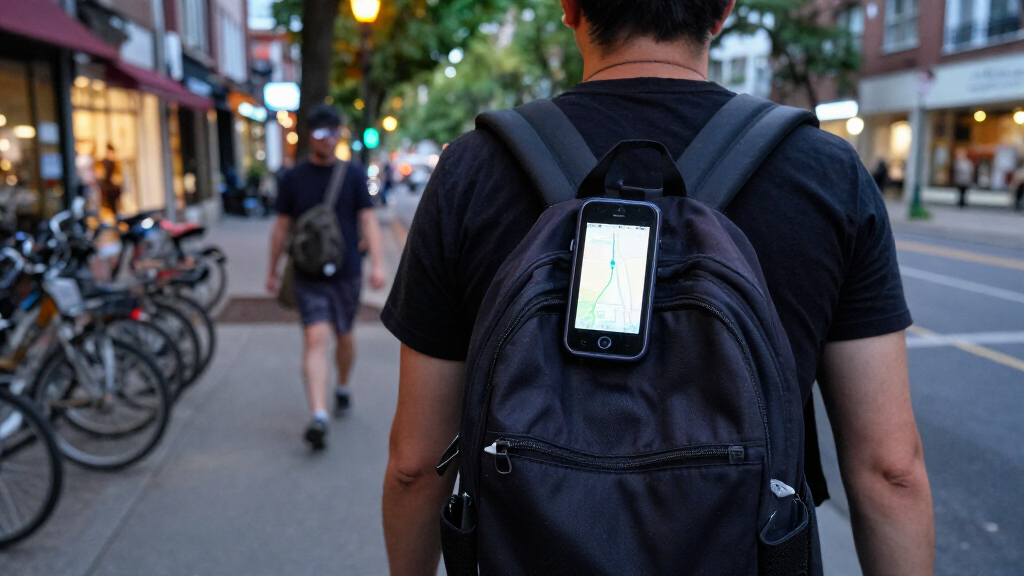
I ranked these trackers by how well their design and features support a clear personal-security use case—not by feature count alone. I looked at tracking approach, fit for a person versus a vehicle, alert and communication tools, placement flexibility, power or installation demands, and the likely maintenance burden. I also separated dedicated GPS-service devices from products that rely on Apple Find My compatibility, since those approaches can meet different expectations for location updates and coverage.
Tracki Pro leads as the broadest vehicle-oriented option in this lineup, while AngelSense and PAJ rank highly for person-focused safety functions. The OBD models make more sense for drivers who want a car-based setup and added driving information; magnetic and Find My-compatible units suit buyers with narrower placement or ecosystem preferences. A tracker’s ranking cannot replace checking current service terms, network coverage, compatibility, and local rules, so I treat those as purchase checks rather than assumed advantages.
Factors to Consider When Choosing GPS Trackers For Personal Security
Before choosing a model, I would start with the person or vehicle being monitored and the action you need the tracker to support. The biggest selection mistake is treating every device labeled GPS as interchangeable: tracking method, alert capability, setup, and upkeep can differ sharply.
Match the tracking method to the safety job
Decide whether you need frequent location updates from a dedicated tracking service or a location-sharing approach tied to a device ecosystem. These are not identical: a Find My-compatible tracker may fit an iPhone-centered setup, while a GPS unit with cellular service is designed around its own tracking service. Ask how quickly you need to act on a location change and how the device reports it. Also check coverage where the person or vehicle will travel, rather than assuming a tracker works equally well everywhere. A cheaper or simpler device can disappoint if its location method does not match your response needs. For safety-critical use, test setup and notifications with the intended phone before relying on the device.
Choose person-focused features, not just a small form
A compact tracker is not automatically suitable for keeping track of a person. Consider whether the user can carry or wear it consistently, whether someone can help maintain it, and whether a direct SOS or two-way communication feature matters. A location-only device can show where a tracker is, but it may not let its carrier request help. For a child, older adult, or person who may need assistance, think through who receives alerts and who can respond. Avoid buying based on a feature list without confirming that the person being monitored is comfortable with the device and its routine. Also check applicable consent and privacy rules before tracking another person.
Calculate the upkeep behind battery claims
Battery life depends on how often a tracker reports its location, signal conditions, and how it is used, so advertised duration should not be treated as a fixed schedule. Frequent updates can be useful when a vehicle or person is moving, but they may increase charging demands. A long-life battery can reduce maintenance, yet it may make the device larger or less convenient to carry. For a tracker used in a car, consider whether you can access it to recharge or replace power; for a person, consider whether charging can become part of an existing daily routine. Set a reminder or test low-battery alerts before depending on the device. The best choice is the one whose power routine is realistic for its owner.
Compare service terms and total ownership effort
Some GPS trackers require an active service plan for location reporting, while other products use a different network or platform arrangement. Confirm what service is included, how long it lasts, what happens when it ends, and whether renewal is needed for the features you care about. A one-year service offer can simplify initial setup, but it does not answer what ongoing use will require. Review cancellation terms and confirm that the tracker works with your carrier, phone, and region. Include installation, charging, app access, and account management in your decision—not just the hardware. This prevents a device from becoming unusable or costly to maintain after purchase.
Pick a mounting and installation style you can live with
Magnetic units offer flexible placement, but their position can affect signal reception, security, and how easy they are to retrieve for charging. An OBD tracker plugs into a compatible vehicle port and can be easier to set up, though it is visible and tied to that vehicle. Harder-to-find placement is not automatically safer if it blocks reception or makes maintenance difficult. Before choosing, check whether the intended car has an accessible OBD port and whether the tracker’s size and mounting method fit the location. If you plan to move the device between vehicles, favor a setup that can be transferred without repeated installation work. Test the chosen position with the app before relying on it.
Prioritize alerts and response plans over extra data
Location history and driving insights can be useful, but they do not replace a clear plan for what happens when an alert arrives. Decide who receives notifications, which events matter, and how quickly someone can respond. A teen-driver coaching tool may help a family discuss driving habits, while an SOS button serves a different purpose by giving the user a direct signal for help. More alerts can also create noise, so check whether settings can be tailored to the household’s needs. Confirm that notifications reach the right phone and that more than one trusted person can access the account if needed. A tracker is most useful when its alerts lead to an agreed action.
Frequently Asked Questions
Should I choose a GPS tracker or a Find My-compatible tracker?
Choose based on how you expect to locate the device and what kind of updates you need. A dedicated GPS tracker with cellular service is built around its own tracking platform and may suit buyers seeking active vehicle monitoring or configurable alerts. A Find My-compatible product fits more naturally into an Apple-centered setup, but it should not be assumed to behave like a dedicated GPS service. Check how location updates work, what devices are required, and whether the approach fits the places you need coverage. If response time matters for personal safety, verify the exact behavior before relying on it.
Can a vehicle tracker protect a person who is traveling in the car?
A vehicle tracker can help locate the car, but it does not necessarily confirm who is inside or let a passenger ask for help. For general vehicle recovery or checking a car’s location, that may be enough. For a person who needs active safety support, consider a person-focused device with communication or SOS features, such as the capabilities offered by the AngelSense or PAJ options in this lineup. Think about what happens if the person leaves the vehicle or the vehicle is parked elsewhere. Match the tracker to the person’s actual risk and routine, rather than treating car location as personal monitoring.
Do I need a subscription for a GPS tracker?
Many dedicated GPS trackers rely on cellular service or a product-specific plan to send location information, but arrangements differ by model. Check whether service is included for a limited period, what features remain available afterward, and what renewal entails. Products compatible with a location network may have different requirements, so do not assume every tracker has the same monthly service structure. Confirm current terms directly before buying, especially if you need ongoing alerts rather than occasional location checks. The service cost and renewal process are part of the device’s practical fit.
Is an OBD tracker a good choice if I want to monitor a teen driver?
An OBD tracker can be a practical fit when the goal is monitoring a specific vehicle and reviewing driving-related information. MOTOsafety is geared toward teen-driver coaching, while Bouncie pairs vehicle location with driving insights. That setup may be less suitable if the tracker needs to move between cars or if you need to monitor a person away from the vehicle. Check port compatibility and consider whether the driver understands and agrees to the monitoring arrangement. Set expectations as a family about which alerts matter and how they will be used, so the tool supports safer driving rather than creating unclear surveillance.
What should I verify before relying on a tracker in an emergency?
Test the device in the places it will be used, confirm that location updates reach the right account, and make sure the battery or vehicle connection is working. Check that the alert recipient’s phone can receive notifications and that someone is available to respond. If the device has an SOS button or voice messaging, practice how to use those features and explain their limits to the person carrying it. Review network coverage, service status, and low-power alerts regularly. A tracker can support a safety plan, but it does not replace emergency services or a direct plan for contacting help.
Conclusion
Best overall: I would start with the Tracki Pro for buyers seeking a versatile vehicle-tracking option. Best for person-focused safety: AngelSense suits those who need a tracker designed around monitoring a person, while PAJ is the more direct match when an SOS button and voice messages are priorities. Best for beginners: MOTOsafety or Bouncie can make sense for someone who wants a vehicle-based setup, with the choice depending on whether teen-driver coaching or broader driving insights matter more. Best for flexible placement or an Apple-centered setup: compare KADUPII, Boillisime, and LandAirSea 54 carefully, checking their tracking method and update behavior before deciding. Best for longer battery intervals: KADUPII’s stated 730-day battery makes it a distinct option, but verify how its Find My compatibility fits your needs. The right pick is the one whose location method, alerts, service requirements, and maintenance routine match the specific safety problem you need to solve.