

Neural implants have advanced considerably, allowing direct communication between your brain and devices, but they’re not about mind control. These implants help restore movement, treat neurological conditions, or enable new ways to interact with technology. They don’t give anyone the power to override your thoughts or control your mind. If you want to understand the true capabilities and limits of brain chips, you’ll find there’s much more beyond the myths.
Key Takeaways
- Neural implants have advanced from experimental devices to clinical tools for treating neurological disorders and restoring functions.
- Current technology enables wireless, high-channel-count devices that decode neural signals for communication and control.
- There is no evidence that neural implants can or are being used for mind control or altering free will.
- Ethical concerns focus on data security, privacy, and consent, not on controlling thoughts or behaviors.
- Most neural devices are designed for medical benefits, with limited capabilities and strict regulatory oversight.
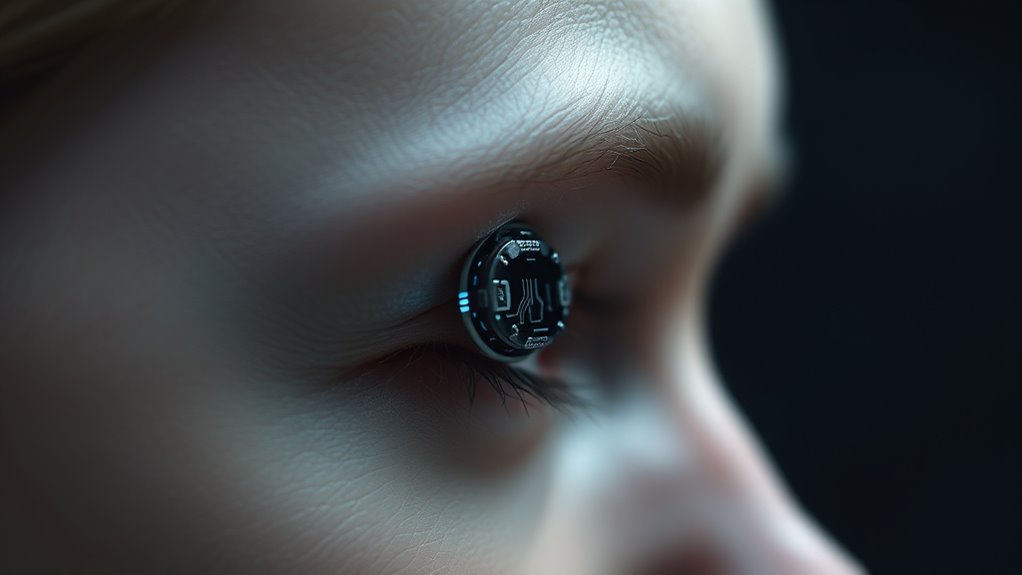
Have you ever wondered how technology is transforming our understanding of the brain? Over the past few decades, advances in neural implants have progressed from experimental devices to real-world applications, fundamentally changing how we approach brain health and human capabilities. The journey began in the 1970s when intracortical microelectrode arrays demonstrated the ability to record neural signals chronically in animals, laying the groundwork for future brain-computer interface (BCI) development. By the 1990s, the FDA approved deep brain stimulation (DBS) for movement disorders, marking the first widely used clinical neural implant. These early milestones proved that neural devices could be safely integrated into humans and offered tangible benefits.
In recent years, high-channel, wireless implants from companies like Neuralink and Paradromics have entered human trials, showing that we can now translate neural activity into meaningful commands. These devices, which include penetrating microelectrode arrays and surface thin-film implants, capture signals with remarkable precision, enabling control of computers, robotic limbs, and communication tools using just thoughts. The development of miniature, fully implanted modules that transmit data wirelessly has made these systems more practical and less invasive, opening new avenues for treating paralysis and neurological diseases. Circulatronics, a groundbreaking approach introduced in the 2020s, uses injectable nanoelectronics that autonomously traffic through blood to reach brain inflammation sites, forming cell-electronics hybrids that operate without surgery. This innovation allows targeted neuromodulation and drug delivery, especially for conditions like Alzheimer’s, multiple sclerosis, and stroke. Furthermore, recent research has demonstrated that these bioelectronic devices can fuse with immune cells to evade immune responses and cross the blood-brain barrier effectively, enhancing their targeting capabilities.
Wireless neural implants and injectable nanoelectronics are revolutionizing brain treatment and human-machine communication.
The technical architectures have evolved alongside these advancements. Modern systems target hundreds or thousands of channels, vastly increasing the richness of neural data collected. They also boast high bandwidth and data rates, supporting real-time decoding of speech and movement. Focal stimulation devices can precisely modulate small brain regions with about 30 micrometers of accuracy, enabling therapies that were previously impossible. Power management through wireless harvesting and integrated energy solutions allows these implants to operate untethered, providing continuous support without cumbersome wires. As the field continues to grow, researchers are exploring ways to improve biocompatibility and longevity of neural implants, ensuring longer-lasting and more effective devices.
Clinical milestones demonstrate these devices’ promise. In 2020, trials showed patients controlling computers via vein-implanted Stentrode devices. By 2021, quadriplegics relayed sentences through BCIs, and in 2023, the Synchron device enabled patients to operate computers with no serious adverse events. Looking ahead, these technologies aim to restore lost functions, treat complex neurological conditions, and comprehend human potential by enhancing memory, learning, and cognition. As this field advances, ethical and privacy concerns remain—such as data security and autonomy—but the potential benefits are already transforming how we understand and interact with our brains.
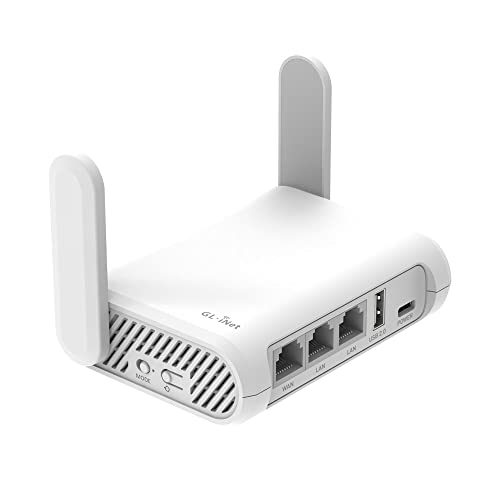
GL.iNet GL-SFT1200 (Opal) Portable WiFi Travel Router, Mini VPN Wireless Router, Mobile Internet WiFi Repeater, Dual Band Openwrt Computer Routers, Home/Business/RV/Cruise
【AC1200 Dual-band Wireless Router】Simultaneous dual-band with wireless speed up to 300 Mbps (2.4GHz) + 867 Mbps (5GHz). 2.4GHz...
As an affiliate, we earn on qualifying purchases.
Frequently Asked Questions
Are Brain Chips Reversible or Permanent?
Brain chips are often designed to be reversible, allowing you to opt-out or have them removed if needed. Many current implants, like the Stentrode and Synchron device, are minimally invasive and can be extracted without significant procedures. However, some chips, especially those meant for long-term or permanent treatment, may require surgical removal. So, it depends on the device, but many are reversible or removable when necessary.
How Long Do Neural Implants Typically Last?
Neural implants typically last around 5 to 10 years, depending on the device and individual factors. You might be surprised to learn that some implants, like the Stentrode, have shown durability for over a year without serious adverse effects. Advances in materials and miniaturization mean your device could function reliably for many years, but ongoing research aims to prolong lifespan further. Proper maintenance and monitoring help guarantee your implant’s longevity.
Can Implants Cause Long-Term Brain Damage?
Yes, implants can cause long-term brain damage if not properly designed or implanted. You might experience inflammation, scarring, or tissue damage around the device, especially if it irritates brain tissue or triggers immune responses. However, advances in minimally invasive techniques and biocompatible materials are reducing these risks. Regular monitoring and improvements in technology help guarantee your brain remains healthy while benefiting from neural implants.
Do Neural Implants Require Regular Maintenance?
Neural implants don’t usually need regular maintenance, but you’ll want to keep up with your doctor’s checkups. Think of your implant like a high-tech car—sometimes, software updates or minor tweaks keep it running smoothly. As technology advances, many implants are designed to be maintenance-free or self-adjusting, so you can focus on your daily life without worrying about constant upkeep. Just stay vigilant with follow-up appointments!
Are There Risks of Infection From Implants?
Yes, there’s a risk of infection from implants. You might experience infections at the surgical site or inside the brain if bacteria enter during or after the procedure. To mitigate this, medical teams use sterile techniques and antibiotics. Still, you should monitor for symptoms like swelling, redness, or fever. Prompt medical attention is key to prevent serious complications and ensure your neural implant stays safe and functional.

GL.iNet GL-MT3600BE (Beryl 7) Portable Travel Router, Pocket Wi-Fi 7 Wireless 2.5G Router, Mini Portable VPN Routers WiFi for Car, Travel, Public Computer Routers, Business, Mobile/RV/Cruise/Plane
【DUAL BAND WIFI 7 TRAVEL ROUTER】Products with US, UK, EU, AU Plug; Dual band network with wireless speed...
As an affiliate, we earn on qualifying purchases.
Conclusion
As you ponder neural implants, remember that while the idea of mind control sounds like something out of a Jules Verne novel, the reality is more nuanced. These devices hold incredible promise for healing and enhancing lives, but they also raise ethical questions about autonomy and privacy. It’s up to you to stay informed and vigilant, ensuring this technology serves humanity’s best interests—not as a tool for tyranny, but as a beacon of hope in our modern age.

TP-Link Roam 6 AX1500 Portable Wi-Fi 6 Travel Router Dual-Band | Easy Public WiFi Sharing | Hotel/RV/Travel Approved | Phone WiFi Tether | USB C 3.0 | Multi-Mode | OpenVPN, WireGuard® | TL-WR1512X
𝐑𝐨𝐚𝐦 𝟔 𝐀𝐗𝟏𝟓𝟎𝟎 𝐝𝐮𝐚𝐥-𝐛𝐚𝐧𝐝 𝐬𝐩𝐞𝐞𝐝𝐬 - Wi-Fi 6 Speeds up to 1,201 Mbps (5 GHz) and 300 Mbps...
As an affiliate, we earn on qualifying purchases.
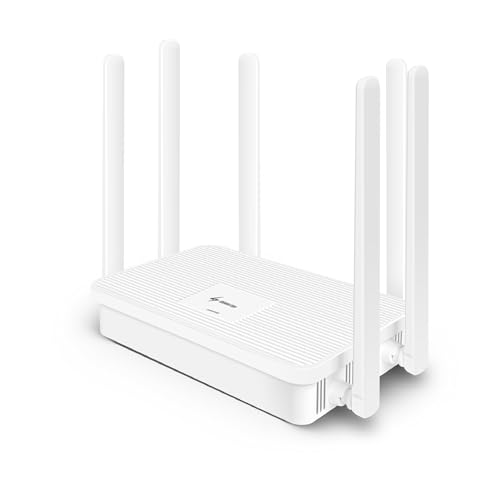
SSRouter S1 VPN Router WiFi 6 – Whole-Home Privacy Protection, Plug & Play, No App Setup, Global Nodes, Fast Streaming & Gaming, Secure Home Network for Family, Office & Travel
【Whole-Home VPN Protection – One Network, All Devices】No need to install VPN apps on every device. SSRouter protects...
As an affiliate, we earn on qualifying purchases.