
Your smart thermostat can be hacked through weak passwords, unpatched software, or insecure wireless signals, putting your home at risk. Hackers can manipulate temperatures, cause property damage, or steal your personal data. Many devices lack strong security measures, making them prime targets. As IoT devices multiply, so do the dangers. Staying aware of these risks helps you protect your home and privacy better—if you keep going, you’ll discover how to defend yourself effectively.

Get privacy and security gear delivered free — and shop member deals
- Fast, free delivery on millions of items
- Access to Prime Big Deal Days deals on October 6–7
- Prime Video, Amazon Music and more included
Key Takeaways
- Many smart thermostats have security flaws like weak passwords and unpatched firmware, making them vulnerable to hacking.
- Attackers can manipulate temperature settings remotely, causing property damage or discomfort.
- Unsecured wireless protocols and communication channels enable interception and command injection attacks.
- Breached thermostats can expose occupancy data, risking privacy breaches and targeted attacks.
- Regular updates, strong passwords, and network segmentation are essential for protecting IoT home devices.
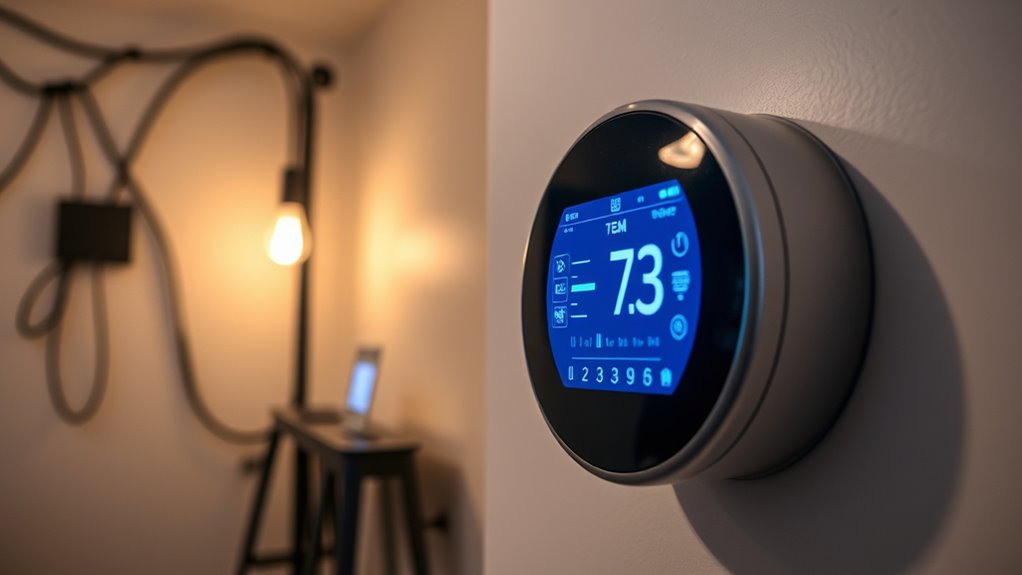
As IoT devices become more integrated into our daily lives, thermostats have emerged as prime targets for hackers seeking to exploit vulnerabilities and gain control over home networks. These devices, often connected to the internet with minimal security, open a gateway for cybercriminals to access your entire home system. Hackers use brute-force attacks, taking advantage of weak or default passwords, to break into thermostats’ administrative interfaces. Once inside, they can manipulate temperature settings remotely, sometimes causing discomfort or damage. But the risks go beyond mere inconvenience. Your thermostat reveals occupancy patterns and daily routines, which can be exploited by malicious actors to determine when your home is empty or when you’re away, increasing the risk of burglary.
Smart thermostats can expose your routines and compromise your home’s security if not properly protected.
Unpatched firmware and insecure update mechanisms make many thermostats vulnerable to persistent attacks. [Manufacturers are increasingly aware of these vulnerabilities and are implementing better security features, but many devices still lack essential protections.] Once compromised, attackers can install malicious code, access cloud data, or even downgrade firmware to exploit known vulnerabilities. Communication channels are often poorly secured, with unencrypted or weakly encrypted traffic allowing interception or command injection. Vulnerabilities in wireless protocols like Zigbee or Z-Wave, or misconfigured hubs, further expose thermostats through local wireless signals, enabling attackers to manipulate devices without direct internet access. Many breaches originate from compromised home Wi-Fi networks or IoT botnets, which use your thermostat as a foothold to move laterally across your home’s connected devices. This highlights the importance of network security and device segmentation.
The consequences of these breaches are tangible. There are documented cases of hackers remotely manipulating thermostats to extreme temperatures, causing property damage or discomfort. Some incidents involve ransomware-style extortion, where attackers take control of your device and demand payment to restore normal settings. Penetration tests reveal multiple unknown vulnerabilities across firmware, network, radio, and cloud components, further highlighting the widespread insecurity of current devices. Consumer surveys show that around 35% of smart thermostat users worry about hacking risks, reflecting the awareness and concern about these vulnerabilities.
The privacy implications are equally alarming. Telemetry from thermostats can reveal when your home is unoccupied, exposing your routines to potential criminals. Cloud-stored logs and usage data may contain sensitive details, risking secondary profiling or targeted attacks. Reused or leaked credentials from other breaches can allow unauthorized access even if your device’s firmware is secure. Inadequate security at the device or cloud level broadens the attack surface, making it easier for hackers to take control or spy on your habits. Recent studies indicate that a significant percentage of IoT devices, including thermostats, are vulnerable due to outdated security practices. With billions of IoT devices projected to be in use by 2025, the threat landscape surrounding smart thermostats is only set to grow. Protecting your devices requires vigilance, firmware updates, strong passwords, and awareness of these evolving risks.
Frequently Asked Questions
How Can I Tell if My Thermostat Has Been Compromised?
You can tell if your thermostat has been compromised by noticing unusual behavior, such as unexpected temperature changes, unresponsive controls, or strange messages. Check for unfamiliar device access in your network logs and change default passwords. If you see signs of tampering or notice your device isn’t responding normally, disconnect it from the internet immediately and update its firmware. Regularly monitor your network for unfamiliar activity to catch potential breaches early.
What Are the Best Practices for Securing Iot Devices at Home?
To keep your IoT devices safe, you’ve gotta stay one step ahead. Change default passwords, keep firmware updated, and disable unnecessary features. Use strong, unique passwords for each device and enable two-factor authentication if available. Regularly monitor device activity and network traffic for unusual behavior. Consider network segmentation—separating IoT devices from your main network—to limit potential damage. Staying vigilant helps you stay off the hackers’ radar.
Are There Specific Brands More Vulnerable to Hacking?
Some brands are more vulnerable because they use default passwords, outdated firmware, or weak security practices. For example, older Nest models and devices with discontinued updates are prime targets. Less reputable brands might lack robust security measures, making them easier for hackers to exploit. To stay safe, always choose reputable brands, keep firmware updated, change default passwords, and disable unnecessary features to minimize risks.
How Often Should Firmware and Security Updates Be Applied?
You should apply firmware and security updates as soon as they’re available, ideally within a week. Regular updates fix vulnerabilities, patch security flaws, and improve device performance. Check for updates monthly, and enable automatic updates if possible. Staying current minimizes the risk of hackers exploiting outdated firmware or weak security features. Don’t delay updates, as unpatched devices remain vulnerable to attacks, botnets, and data breaches.
What Steps Should I Take if I Suspect a Breach?
If you suspect a breach, act fast like a firefighter dousing flames. Change your passwords immediately, especially on your thermostat and connected devices. Disconnect affected gadgets from the internet to contain the threat. Check for suspicious activity or unfamiliar devices on your network. Contact your device manufacturer or security expert for guidance. Stay vigilant—early intervention can prevent hackers from turning your smart home into a vulnerability playground.
Conclusion
To protect your home, stay vigilant like a watchdog guarding its territory. Regularly update your thermostat’s software, use strong passwords, and stay informed about potential threats. Think of your smart devices as delicate glass—easily shattered if neglected. Don’t let hackers turn your cozy sanctuary into a digital battleground. Taking simple precautions can keep your IoT devices safe, ensuring your home remains a haven, not a hacker’s playground.
Fall Picks
fall essentials
As an affiliate, we earn on qualifying purchases.