
Traditional security boundaries like firewalls and physical barriers are no longer enough because hackers can bypass them easily. Now, your identity acts as the primary line of defense, protecting access to sensitive data. Biometric authentication and adaptive policies make security more secure and user-friendly. By focusing on verifying who you are, organizations can better respond to evolving threats and secure their assets. If you want to understand how this shift impacts security, keep exploring this essential topic.

Get privacy and security gear delivered free with Prime
- Fast, free delivery on millions of items
- Prime Video, Amazon Music and more included
- Member-only deals all year
Key Takeaways
- Traditional perimeter defenses are insufficient against modern, sophisticated cyber threats, shifting focus to individual identities.
- Identities now serve as the primary security boundary, safeguarding access to sensitive data and resources.
- Biometric authentication offers a more secure, user-friendly alternative to static passwords, enhancing identity verification.
- Adaptive, context-aware access management strengthens security by considering factors like location, device, and time.
- A security strategy centered on identity provides greater resilience, faster incident response, and future-proof protection.
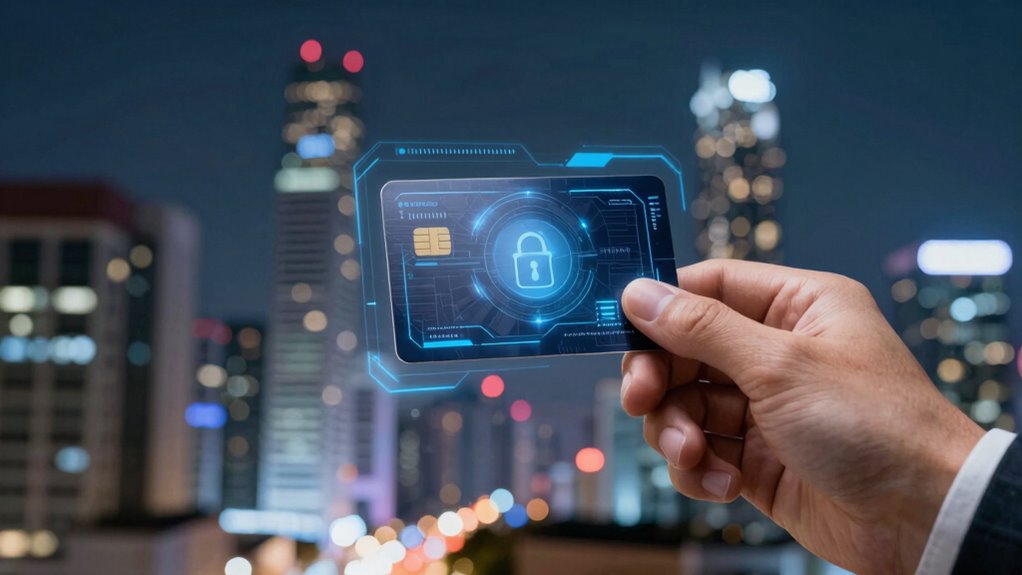
Have you ever wondered what if the traditional security boundary no longer holds? In today’s digital landscape, this question is more relevant than ever. The old model, where firewalls and physical barriers kept threats at bay, is becoming outdated. Instead, the focus shifts inward, to the identity of the people accessing systems and data. You need to think about access management—not just as a way to control who enters your network, but as the core of your security strategy. When your organization relies on traditional defenses alone, you leave vulnerabilities open. Hackers and malicious actors constantly find ways to bypass perimeter defenses, making it clear that security must go beyond physical or network borders.
Traditional security boundaries are no longer enough; focus on verifying individual identities for stronger, adaptive protection.
This is where identity becomes the new security boundary. You’re no longer just protecting a network or a building; you’re safeguarding individual identities. Each person’s identity, verified through methods like biometric authentication, now serves as the key to access sensitive information. Biometric authentication, which uses unique physical traits such as fingerprints, facial recognition, or retina scans, provides a much stronger layer of security. Unlike passwords that can be stolen or guessed, biometrics are difficult to forge or replicate. When you implement biometric authentication, you’re shifting the focus from traditional passwords to a more secure, user-friendly way of verifying identity. This change makes it harder for unauthorized users to breach your defenses and gives you better control over who accesses your resources.
By embracing this new approach, you’re essentially turning every individual into their own security boundary. Access management becomes more dynamic, adaptable, and responsive. Instead of relying solely on static credentials, you can set policies that adapt to the context—like location, device, or time of day—making it harder for intruders to impersonate legitimate users. This approach not only enhances security but also improves user experience. People prefer biometric authentication because it’s quick and convenient, reducing the friction often associated with traditional login methods. Additionally, integrating identity verification into your security framework helps in establishing trust and compliance in increasingly regulated environments. Understanding cybersecurity principles behind identity verification can help organizations better defend against evolving threats, ensuring that security practices stay aligned with the latest risks and technologies. Recognizing that identity-based security can be more resilient than traditional perimeter defenses encourages organizations to adopt more proactive security measures.
Moreover, adopting a comprehensive security strategy centered on identity can help organizations respond more effectively to incidents when they occur, minimizing potential damage.
Ultimately, you’re recognizing that security isn’t just about building walls anymore; it’s about verifying identities accurately and efficiently. As threats evolve, so must your defenses. By making identity the new security boundary, you’re ensuring that your organization stays resilient in a digital world where traditional boundaries are no longer sufficient. You’re placing trust directly in the individual’s verified identity, creating a more secure, flexible, and future-proof way to protect your assets.
As an affiliate, we earn on qualifying purchases.
Frequently Asked Questions
How Does Identity Verification Differ From Traditional Security Measures?
Identity verification focuses on confirming that you are who you claim to be, often through biometric data or two-factor authentication, making it more dynamic than traditional security measures. Credential management is essential here, as it securely stores and manages your digital credentials. Unlike traditional measures like passwords or firewalls, this approach adapts to evolving threats, providing a flexible, personalized security layer that prioritizes your digital identity over static defenses.
What Are the Biggest Challenges in Implementing Identity-Based Security?
You face challenges like guaranteeing robust identity governance and managing access controls effectively. It’s a coincidence that as you tighten security, you also risk creating friction for users. Balancing seamless access with strict policies demands continuous updates and monitoring. You must stay vigilant against evolving threats, implement strong authentication, and ensure policies adapt over time. Overcoming these hurdles requires commitment, technology, and a clear understanding of who needs access to what.
How Does Zero Trust Architecture Incorporate Identity as a Core Element?
Zero Trust architecture makes identity a core element by continuously verifying user identities through identity governance, ensuring only authorized individuals access resources. It leverages access orchestration to dynamically adjust permissions based on real-time risk assessments. This approach minimizes trust assumptions, requiring you to authenticate and validate identities at every step, which enhances security and reduces the likelihood of breaches. Your organization stays protected by tightly controlling and monitoring access based on verified identities.
What Role Do Biometric Technologies Play in Identity Security?
Biometric technologies play a vital role in identity security by providing biometric authentication, which verifies you through unique physical or behavioral traits like fingerprints, facial recognition, or voice. Additionally, behavioral analytics monitors your activity patterns to detect anomalies. These methods make it harder for malicious actors to impersonate you, ensuring secure access while streamlining user experience. Combining biometric authentication with behavioral analytics creates a robust, multi-layered approach to protecting your digital identity.
How Can Organizations Manage Identity Risks in Remote Work Environments?
You can manage identity risks in remote work by strengthening user authentication and access management. Implement multi-factor authentication to verify users more securely, and adopt dynamic access controls that adjust based on risk levels or device trustworthiness. Regularly monitor user activity for suspicious behavior, and guarantee employees are educated about best practices. These steps help protect sensitive data and maintain secure, flexible remote work environments.
facial recognition security device
As an affiliate, we earn on qualifying purchases.
As an affiliate, we earn on qualifying purchases.
Conclusion
As you navigate the evolving landscape of security, remember that your identity is now the gatekeeper—more essential than ever. It’s the anchor in a sea of digital chaos, guiding you through the storm. Embrace this shift, for it turns you into your own fortress. When your identity is protected, so is everything you hold dear. It’s a new dawn, and your security begins with who you are—standing tall at the heart of it all.
retina scan authentication system
As an affiliate, we earn on qualifying purchases.
As an affiliate, we earn on qualifying purchases.
adaptive access control software
As an affiliate, we earn on qualifying purchases.
As an affiliate, we earn on qualifying purchases.
Halloween Picks
halloween
As an affiliate, we earn on qualifying purchases.