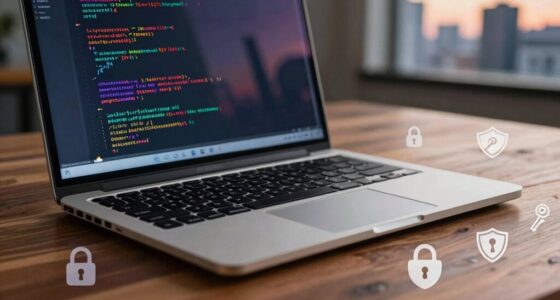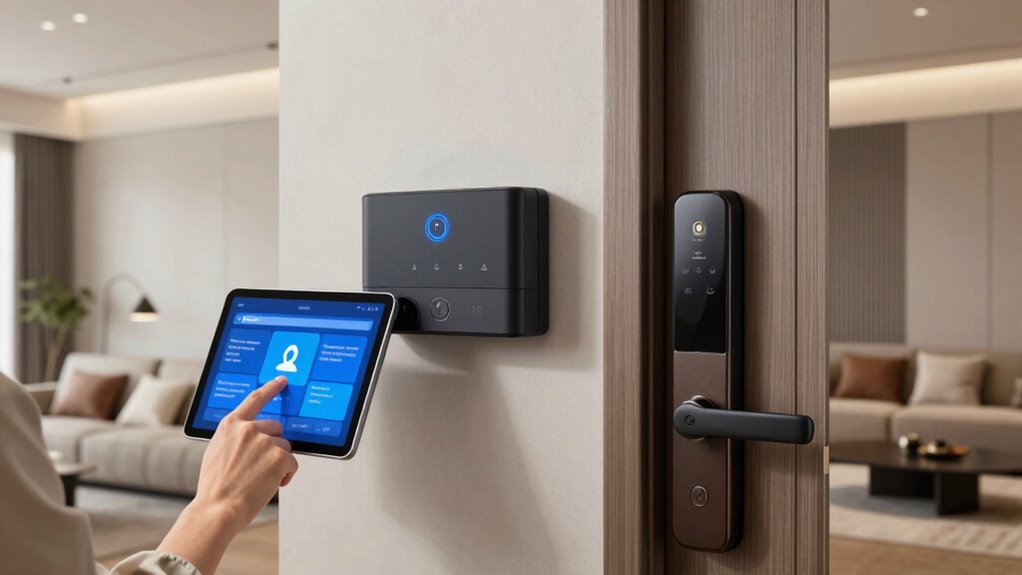

If you buy expensive smart home gear, security awareness is essential to protect your sensitive data and prevent costly cyberattacks. High-end devices often control critical functions and store personal information, making them prime targets for hackers. By understanding encryption, using strong authentication, keeping software updated, and segmenting your network, you can reduce risks greatly. Staying informed about cyber threats helps you defend your investment; keep going to discover more ways to secure your smart home.

Get privacy and security gear delivered free with Prime
- Fast, free delivery on millions of items
- Prime Video, Amazon Music and more included
- Member-only deals all year
Key Takeaways
- Expensive smart home devices often handle sensitive data, making them attractive targets for cybercriminals.
- Lack of security awareness increases the risk of unauthorized access and potential data breaches.
- Proper security measures, like encryption and strong authentication, protect valuable investments from cyber threats.
- Regular updates and security practices help prevent exploitation of known vulnerabilities in high-end devices.
- Being informed enables buyers to implement layered security, safeguarding privacy and critical home functions.

As smart homes become increasingly popular, it’s essential for buyers to prioritize security from the start. When investing in expensive smart home gear, you’re not just paying for convenience and modern technology—you’re also taking on the responsibility of protecting your privacy and digital assets. High-end devices often store sensitive data, control critical home functions, and connect to your personal networks, making them attractive targets for cybercriminals. To safeguard your investment, understanding the importance of device encryption and user authentication is vital.
Device encryption acts as a shield for your smart home devices, ensuring that any data transmitted between your gadgets and your network remains unreadable to outsiders. When these devices use robust encryption protocols, even if someone intercepts your data during transmission, they won’t be able to decipher it. This layer of security is essential, especially for devices that handle sensitive information like security cameras, smart locks, or thermostats. Always verify that your devices employ the latest encryption standards, such as AES-256, which is considered highly secure. Implementing encryption standards is a crucial step in protecting your data from cyber threats. Additionally, understanding how encryption protocols function can help you make informed decisions about your device security.
User authentication is another key factor in maintaining your smart home’s security. Strong authentication methods, like complex passwords, two-factor authentication (2FA), or biometric verification, help confirm that only authorized users can access your devices and control your home. When buying high-end smart home gear, ensure the products support multiple authentication layers. Relying solely on default or weak passwords is a common mistake that leaves your system vulnerable. Change default passwords immediately and use unique, complex combinations. Enabling 2FA adds an extra barrier, making it considerably harder for hackers to gain unauthorized access. Regularly reviewing device access logs can also help detect suspicious activity early.
Additionally, keep your devices’ firmware and software up to date. Manufacturers often release security patches to fix vulnerabilities that hackers could exploit. Neglecting updates leaves your devices exposed to known threats. Set your devices to update automatically if possible, and regularly check for updates if not. It’s also wise to network-segment your smart home devices, isolating them from your main personal network. This way, even if a device is compromised, the breach won’t necessarily spread across your entire home system. Regular security assessments can help identify potential vulnerabilities before they’re exploited. Staying informed about emerging cyber threats and best practices can further bolster your home’s defenses. Additionally, employing security awareness techniques can empower you to recognize and prevent potential cyberattacks.
AES-256 smart home device encryption
As an affiliate, we earn on qualifying purchases.
As an affiliate, we earn on qualifying purchases.
Frequently Asked Questions
How Often Should Smart Home Devices Be Updated for Security?
You should update your smart home devices as soon as updates are available to fix firmware vulnerabilities and enhance security. Regular updates help close security gaps, preventing unauthorized user access and potential breaches. Check for updates at least once a month, or enable automatic updates if possible. Staying current guarantees your devices remain protected against evolving threats, giving you peace of mind knowing your smart home stays secure.
Are There Specific Brands More Secure Than Others?
Some brands are more secure than others, especially those with strong brand reputation and a focus on security. You should look for brands known for regular updates and reliable product compatibility, as these factors help protect your smart home. While no brand is completely immune, choosing reputable brands with solid security measures reduces risks, giving you peace of mind. Always research and read reviews before investing in expensive smart home gear.
Can Smart Home Devices Be Hacked Remotely?
Yes, smart home devices can be hacked remotely, and it’s more common than you’d think. Hackers exploit device vulnerabilities, turning your smart home into an open door for remote hacking. They could control your locks, cameras, or even your thermostat without you knowing. Staying vigilant, updating firmware, and using strong passwords are essential because these vulnerabilities can be exploited from miles away, risking your entire smart home ecosystem.
What Should I Do if My Smart Home System Is Compromised?
If your smart home system is compromised, act quickly by changing your user authentication details and resetting devices. Confirm device encryption is active to protect your data. Disconnect affected devices from the network to prevent further intrusion. Update your firmware and security settings regularly to patch vulnerabilities. Contact your device manufacturer for support and consider consulting a cybersecurity expert for thorough security checks. Staying vigilant helps keep your smart home safe.
Are There Privacy Concerns With Voice-Activated Smart Devices?
Your voice-activated smart device might be secretly whispering your secrets to the world, making privacy concerns a real threat. When you use these devices, they collect voice data and often require extensive device permissions, which can expose sensitive information. Always review permission settings and be cautious about what you say around them. Protect your privacy by staying aware of how your voice data is used and who has access to it.
two-factor authentication smart home devices
As an affiliate, we earn on qualifying purchases.
As an affiliate, we earn on qualifying purchases.
Conclusion
Think of your smart home as a delicate castle, each device a stone that keeps your kingdom safe. Without proper security awareness, it’s like leaving your gates wide open. By staying vigilant and understanding the risks, you protect your investment and peace of mind. Remember, the fortress is only as strong as its weakest link. Guard your smart home wisely—because a well-secured castle is a happy, worry-free home.
smart home device firmware update tools
As an affiliate, we earn on qualifying purchases.
As an affiliate, we earn on qualifying purchases.
network segmentation for smart home
As an affiliate, we earn on qualifying purchases.
As an affiliate, we earn on qualifying purchases.
Halloween Picks
halloween
As an affiliate, we earn on qualifying purchases.