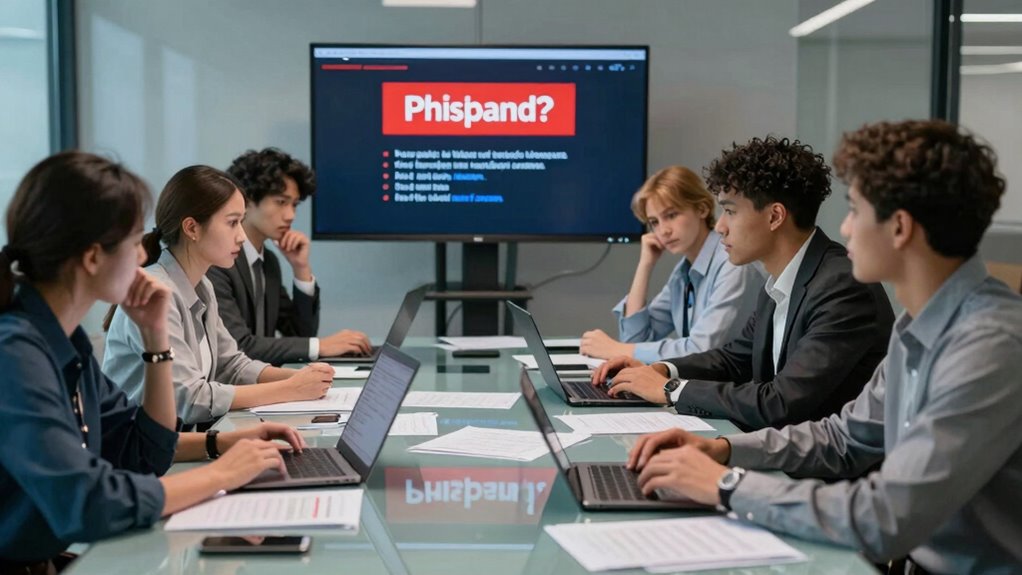

Phishing simulations can backfire on your culture if they’re seen as punitive or invasive, which can damage trust and create suspicion among staff. When employees view these exercises as fault-finding, it erodes confidence in leadership and can lower morale. Resistance may grow, making future security initiatives less effective. To avoid this, you need to approach simulations thoughtfully, emphasizing learning and transparency. Want to understand how to implement them without hurting your workplace trust?

Get privacy and security gear delivered free — and shop member deals
- Fast, free delivery on millions of items
- Access to Prime Big Deal Days deals on October 6–7
- Prime Video, Amazon Music and more included
Key Takeaways
- Phishing simulations can undermine trust if perceived as punitive or invasive, damaging employee confidence in leadership.
- Negative perceptions of simulations as fault-finding tools can lead to disengagement and resistance among staff.
- Overly aggressive or poorly communicated exercises may foster suspicion, reducing collaboration and team cohesion.
- Resistance to simulations hampers cybersecurity training effectiveness and diminishes openness to future initiatives.
- Lack of transparency and support can create a culture of fear, hindering a positive, learning-focused workplace environment.
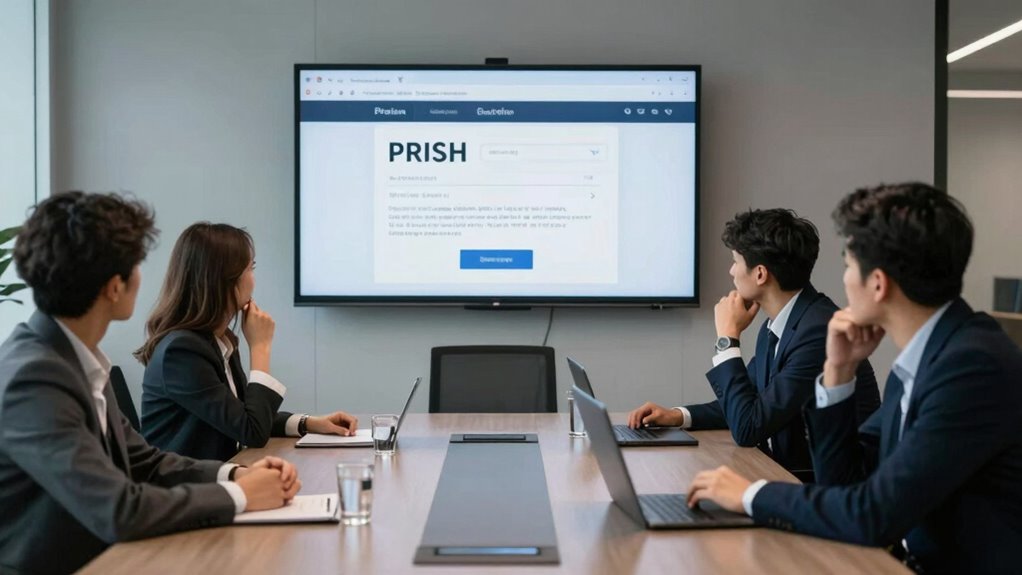
While organizations often use phishing simulations to boost cybersecurity awareness, these efforts can sometimes backfire by damaging workplace culture. If not handled carefully, these exercises might erode employee trust and create a climate of suspicion rather than collaboration. Instead of fostering a proactive security mindset, you risk making employees feel scrutinized or mistrusted, which can hinder overall engagement and openness.
Phishing simulations can harm trust and collaboration if not managed thoughtfully.
When employees perceive phishing simulations as punitive or overly invasive, their trust in leadership diminishes. They may start to see these exercises as ways to catch faults rather than as tools for education. This mistrust can lead to resistance, where employees become less receptive to future training or communication about cybersecurity policies. Instead of promoting a sense of shared responsibility, you risk fostering an environment where staff feels unfairly targeted, which can weaken team cohesion and morale.
Moreover, the effectiveness of your training depends heavily on how these simulations are perceived. If employees view them as a test of their competence rather than an opportunity to learn, the training loses its impact. When trust erodes, the training effectiveness drops because employees may ignore or dismiss the simulations altogether. They might even become disengaged, viewing cybersecurity efforts as just another box to check rather than meaningful learning opportunities. The goal is to create a culture where security awareness is integrated into daily routines, not something enforced through fear or suspicion.
To avoid these pitfalls, you need to approach phishing simulations thoughtfully. Clearly communicate their purpose and emphasize that the goal is to help everyone improve, not to catch mistakes. Make sure employees understand that the simulations are part of a broader effort to protect the organization, and that mistakes are viewed as learning opportunities rather than failures. When done transparently, these exercises can reinforce a culture of shared responsibility and continuous improvement. Recognizing organizational culture and how it influences employee perceptions is essential for success. Additionally, understanding the importance of employee trust can significantly impact the effectiveness of your cybersecurity initiatives. Building a security-conscious environment involves fostering open communication and emphasizing a culture of learning rather than blame. Developing a positive workplace environment can also help mitigate potential negative effects by reinforcing trust and openness.
Ultimately, the success of phishing simulations hinges on maintaining employee trust. When trust remains intact, your training becomes more effective because employees are more receptive and engaged. They’re more likely to internalize lessons and adopt best practices if they see the exercises as supportive rather than punitive. By balancing security goals with respect for your staff’s confidence, you can turn phishing simulations into a positive force—strengthening both cybersecurity and workplace culture, rather than damaging it. Building a security-aware culture requires careful consideration of how employees perceive these initiatives.
As an affiliate, we earn on qualifying purchases.
Frequently Asked Questions
How Can Organizations Measure the Success of Phishing Simulations?
You can measure the success of phishing simulations by analyzing training effectiveness and engagement metrics. Track how many employees recognize and report simulated phishing emails, indicating improved awareness. Review participation rates and the percentage of employees who complete training modules. Additionally, assess whether there’s a decrease in click rates over time. These metrics help determine if your simulations are fostering a security-conscious culture or if adjustments are needed.
What Alternative Methods Improve Cybersecurity Awareness Without Harming Culture?
Picture a workplace where trust blossoms like a well-tended garden. Instead of risky simulations, you can boost cybersecurity awareness through engagement strategies like interactive workshops, storytelling, and peer-led discussions. These methods respect cultural sensitivity, fostering openness without fear or shame. By creating a safe space for learning, you strengthen your security culture organically, encouraging employees to become proactive defenders rather than feeling targeted or overwhelmed.
How Do Phishing Simulations Impact Employee Trust Long-Term?
Phishing simulations can initially cause employee skepticism, but if done thoughtfully, they won’t lead to long-term trust erosion. When you communicate transparently and provide constructive feedback, employees understand the purpose is to protect rather than punish. Over time, this approach can strengthen trust, as staff see your commitment to their safety. However, inconsistent or overly aggressive simulations risk damaging trust, so balance and clarity are key.
What Legal Considerations Exist When Conducting Phishing Tests?
You must prioritize legal compliance and address privacy concerns when conducting phishing tests. Make certain you obtain proper consent from employees and clearly communicate the purpose of the simulations. Be cautious about collecting and storing personal data, respecting privacy laws like GDPR or CCPA. Regularly review your procedures to avoid legal pitfalls, and consult legal experts to ensure your phishing exercises stay within regulatory boundaries and protect employee privacy effectively.
How Can Companies Tailor Simulations to Different Cultural Contexts?
You can tailor simulations to different cultural contexts by incorporating cultural sensitivity into your approach. Use localization strategies, such as language adjustments and culturally relevant scenarios, to guarantee staff relate to the content. Research local customs and communication norms to avoid misunderstandings or offense. By customizing your phishing exercises thoughtfully, you foster trust and engagement, making your training more effective and respectful of diverse cultural backgrounds.
employee cybersecurity awareness training
As an affiliate, we earn on qualifying purchases.
As an affiliate, we earn on qualifying purchases.
Conclusion
So, the irony isn’t lost on you: in trying to bolster your company’s security culture through phishing simulations, you might actually weaken it. Instead of fostering awareness, you could be breeding distrust or complacency, making employees more vulnerable. It’s a delicate balance—you aim to educate, but sometimes, all you do is highlight vulnerabilities in your approach. Perhaps the real lesson is to build trust first, then test, rather than the other way around.
As an affiliate, we earn on qualifying purchases.
interactive phishing awareness kits
As an affiliate, we earn on qualifying purchases.
As an affiliate, we earn on qualifying purchases.
Fall Picks
fall essentials
As an affiliate, we earn on qualifying purchases.