
TL;DR
A critical vulnerability in SonicWall SMA1000 appliances, CVE-2026-15409, is currently being exploited by attackers. It enables unauthenticated remote requests, posing security risks for affected networks. Details are confirmed, but the full scope of exploitation remains under investigation.
Security officials have confirmed that the SonicWall SMA1000 appliances contain a server-side request forgery (SSRF) vulnerability, CVE-2026-15410, which is actively being exploited by malicious actors. This flaw allows unauthenticated attackers to potentially cause the appliance to make requests to unintended destinations, increasing the risk of data breaches and network compromise. The vulnerability’s active exploitation makes this a critical security concern for organizations using these devices.
The CVE-2026-15409 vulnerability affects SonicWall SMA1000 appliances, which are widely used for secure remote access and VPN functions. According to the Cybersecurity and Infrastructure Security Agency (CISA), the flaw enables remote, unauthenticated attackers to trigger requests to arbitrary URLs from the affected device. Researchers have observed active exploitation campaigns targeting organizations with these appliances, emphasizing the urgency of applying patches or mitigations, such as the SonicWall vulnerability.
SonicWall has acknowledged the vulnerability and released security advisories urging affected users to update their firmware. The exact methods of exploitation and the full extent of compromised systems are still being assessed by security teams. The vulnerability stems from improper validation of user-supplied input in the appliance’s request handling process, which attackers can leverage to redirect requests or gather information. For more details, see the security advisory.
Why This SSRF Vulnerability Poses a Major Threat
This active exploitation of CVE-2026-15409 significantly increases the risk of remote code execution, data exfiltration, and network infiltration for organizations relying on SonicWall SMA1000 appliances. Because the flaw allows requests to be made to arbitrary URLs without authentication, attackers can potentially access internal resources, exfiltrate sensitive data, or pivot to other parts of the network. The widespread use of these appliances in enterprise environments amplifies the potential impact, making it a high-priority security incident.
Organizations that have not yet applied firmware updates or mitigations are at immediate risk. Security experts recommend urgent review of affected systems, implementation of vendor patches, and enhanced network monitoring for signs of compromise.
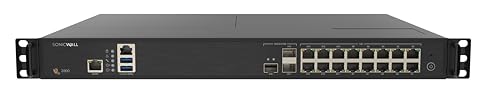
SonicWall NSa2800-1-Year Advanced Edition (03-SSC-4674) – Next-Generation Firewall – 8 Gbps Throughput, 6 Gbps Threat Prevention, Secure SD-WAN | Zero-Touch Deployment
The SonicWall NSa 5800 is the most powerful model in the NSa Gen 8 lineup, built for large…
As an affiliate, we earn on qualifying purchases.
As an affiliate, we earn on qualifying purchases.
Background and Timeline of SonicWall SMA1000 Vulnerability
SonicWall SMA1000 appliances have been a staple in remote access security since their release, offering VPN and secure connectivity solutions for enterprise clients. The discovery of CVE-2026-15409 was initially reported by security researchers in late March 2026, with CISA issuing an alert confirming active exploitation shortly thereafter. Prior to this, SonicWall had issued a security advisory in early March warning of potential vulnerabilities in their firmware, but CVE-2026-15409 was not publicly disclosed until now.
The vulnerability involves improper input validation in the request handling process, which can be exploited remotely without authentication. The active exploitation campaigns have targeted organizations across multiple sectors, including finance, healthcare, and government, with attackers attempting to leverage the flaw for data theft and lateral movement within networks.
“The active exploitation of CVE-2026-15409 underscores the urgent need for affected organizations to apply security updates immediately.”
— CISA spokesperson

Network Security Assessment: From Vulnerability to Patch
Used Book in Good Condition
As an affiliate, we earn on qualifying purchases.
As an affiliate, we earn on qualifying purchases.
Extent of Exploitation and Impact Still Unclear
While active exploitation has been confirmed, the full scope of affected systems and the precise methods used by attackers remain unclear. It is not yet known how widespread the exploitation is or whether specific configurations are more vulnerable than others. Security researchers are continuing to investigate the campaign details and potential data breaches resulting from the attack.

WatchGuard Firebox T185 Appliance Only – Standalone Unit Only – Requires License Subscription
As an affiliate, we earn on qualifying purchases.
As an affiliate, we earn on qualifying purchases.
Urgent Patching and Monitoring Are Critical Next Steps
Affected organizations should immediately review their SonicWall SMA1000 appliances, apply available firmware updates, and follow security advisories issued by SonicWall and CISA. Continued monitoring for unusual network activity and signs of compromise is essential. Security vendors and SonicWall are expected to release additional guidance as investigations progress. The incident underscores the importance of proactive vulnerability management in enterprise security.
AGPTEK RFID Door Access Control System Kit 280kg Electric Magnetic Lock
[Modern Technology for Home Security] This RFID Proximity door access control system kit is one of the modern…
As an affiliate, we earn on qualifying purchases.
As an affiliate, we earn on qualifying purchases.
Key Questions
What is CVE-2026-15409?
CVE-2026-15409 is a server-side request forgery (SSRF) vulnerability in SonicWall SMA1000 appliances that allows unauthenticated remote attackers to make requests to arbitrary URLs.
How is this vulnerability being exploited?
Security researchers have confirmed active exploitation campaigns where attackers are leveraging the flaw to send malicious requests, potentially gaining access to internal resources or exfiltrating data.
What should affected organizations do?
Organizations should immediately update their SonicWall SMA1000 firmware to the latest version, follow official security advisories, and monitor network activity for signs of compromise.
Is this vulnerability easy to exploit?
Yes, since it allows remote, unauthenticated requests, attackers can exploit it without needing credentials, making it a high-risk flaw.
Will SonicWall release a patch?
SonicWall has indicated that patches and mitigation guidance are in development and will be released soon. Users should stay updated through official channels.
Source: kev