TL;DR
Cybercriminals are now hijacking legitimate cloud infrastructure to facilitate phishing attacks, making detection more difficult. Experts warn this trend increases risks for organizations and individuals. Details are still emerging on the scale and methods involved.
Cybercriminals are increasingly hijacking legitimate cloud infrastructure to conduct sophisticated phishing campaigns, according to cybersecurity experts. This trend complicates detection efforts and elevates risks for organizations and individuals. The practice involves attackers gaining unauthorized access to cloud accounts or exploiting misconfigured services to host malicious content or impersonate trusted entities.
Recent security analyses reveal that hackers are leveraging legitimate cloud platforms such as Amazon Web Services, Microsoft Azure, and Google Cloud to host phishing sites and distribute malicious emails. Unlike traditional phishing, which often relies on fake domains or compromised websites, hijacked cloud infrastructure appears authentic to recipients, making scams harder to identify.
Experts from cybersecurity firms state that attackers often exploit misconfigured cloud settings, such as open storage buckets or weak access controls, to insert malicious content. Once compromised, these cloud resources are used to send convincing emails or host fake login pages that mimic legitimate organizations.
Several incidents have been reported where organizations’ cloud accounts were hijacked, with attackers gaining control over their infrastructure without immediate detection. The FBI and cybersecurity agencies have issued warnings about the rising trend and its potential for large-scale fraud.
Implications of Cloud Infrastructure Hijacking for Cybersecurity
This trend significantly increases the difficulty of detecting phishing attacks, as malicious content appears to originate from trusted, legitimate cloud services. It broadens the attack surface for cybercriminals and poses a serious threat to both corporate and individual cybersecurity. If widespread, it could lead to increased financial losses, data breaches, and erosion of trust in cloud services.

TrustKernel PlugMate Hardware-Isolated Secure Android Computing Device
- Hardware-Isolated Android Environment: Independent secure Android system with encrypted storage
- Powerful Hardware Specs: MediaTek Helio G80, 4GB RAM, 128GB storage
- Physical Data Isolation: Separates apps, files, and credentials from host device
As an affiliate, we earn on qualifying purchases.
As an affiliate, we earn on qualifying purchases.
Rise of Cloud-Based Phishing Attacks and Exploitation Methods
Over the past year, cybersecurity reports have documented a surge in phishing campaigns that utilize cloud infrastructure. Attackers often exploit misconfigurations—such as publicly accessible storage buckets or weak permissions—to host malicious content. These hijacked cloud resources are then used to send convincing phishing emails or serve fake websites, often bypassing traditional security filters.
This development builds on previous tactics where scammers used fake domains or hacked websites. The shift to hijacking legitimate cloud accounts marks an evolution in attack sophistication, making detection and prevention more complex for defenders. Authorities and security firms are actively investigating the scale of these operations and the methods used by hackers to gain unauthorized access.
“We have observed an increase in attacks involving hijacked cloud services, and we advise organizations to review their cloud security configurations immediately.”
— FBI Cyber Division spokesperson

Security Monitoring with Wazuh: A hands-on guide to effective enterprise security using real-life use cases in Wazuh
As an affiliate, we earn on qualifying purchases.
As an affiliate, we earn on qualifying purchases.
Extent and Scale of Cloud Infrastructure Hijacking Unclear
It is not yet clear how widespread this practice is or which sectors are most targeted. Details about the specific methods hackers use to gain access to cloud accounts and the full scope of affected organizations remain under investigation. Security experts warn that the situation is evolving rapidly, and comprehensive data is currently unavailable.
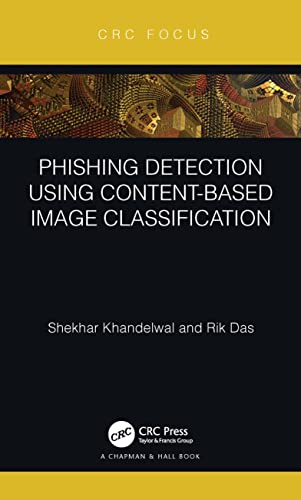
Phishing Detection Using Content-Based Image Classification
As an affiliate, we earn on qualifying purchases.
As an affiliate, we earn on qualifying purchases.
Expected Developments in Cloud Security and Threat Detection
Organizations are advised to review and tighten their cloud security controls, including access permissions and configuration settings. Cybersecurity agencies and cloud providers are likely to release updated guidelines and tools to detect hijacked resources. Ongoing investigations aim to quantify the scope of the problem and develop more effective countermeasures.

The Operational Excellence Library; Mastering Secure Cloud Storage Solutions
As an affiliate, we earn on qualifying purchases.
As an affiliate, we earn on qualifying purchases.
Key Questions
How can organizations protect their cloud infrastructure from hijacking?
Organizations should implement strong access controls, regularly audit their cloud configurations, enable multi-factor authentication, and monitor for unusual activity to prevent hijacking.
What are the signs that a cloud account has been hijacked?
Signs include unexpected changes in permissions, unfamiliar activity logs, or unauthorized access to cloud resources. Regular monitoring and alerts can help detect such issues early.
Are all cloud providers vulnerable to this type of attack?
While vulnerabilities depend on individual configurations, any cloud platform can be targeted if security best practices are not followed. Proper configuration and security measures are essential across all providers.
What should users do if they suspect their cloud account has been hijacked?
Users should immediately revoke suspicious access, change passwords, enable multi-factor authentication, and notify their cloud provider and cybersecurity authorities for further investigation.
Source: hn