
TL;DR
Listen free for 30 days with Audible
Thousands of audiobooks and originals — cancel anytime.
Start your free trialAs an affiliate, we earn on qualifying purchases.
Hackers allegedly gained access to a live feed of ID verification scans across several companies for over a year. While details are still emerging, this breach exposes sensitive identity data and highlights ongoing cybersecurity risks in identity verification services.
Recent reports indicate that hackers had access to a live feed of every identity verification scan conducted by multiple companies for over a year. This breach, if confirmed, exposes a significant security vulnerability in the handling of sensitive personal data and underscores ongoing cybersecurity challenges in the identity verification industry.
According to sources familiar with the matter, a cybercriminal group managed to infiltrate the systems of several identity verification firms, gaining real-time access to their scanning processes. The breach reportedly lasted more than 12 months, during which the hackers could observe every ID document scanned, including driver’s licenses, passports, and other forms of government-issued IDs.
Authorities and affected companies have not yet officially confirmed the breach, and investigations are ongoing. The hackers’ access appears to have been maintained through a sophisticated cyberattack, possibly involving supply chain vulnerabilities or insider compromises. The scope of the data viewed by the hackers remains unclear, but experts warn that such access could facilitate identity theft, fraud, and targeted attacks.
Cybersecurity analysts highlight that this incident, if verified, marks a rare and significant breach of real-time data streams in the identity verification sector, which is increasingly used by financial institutions, government agencies, and online service providers to prevent fraud and verify identities remotely.
Implications for Data Security and Privacy
This development raises urgent concerns about the security of identity verification systems, which handle highly sensitive personal information. The potential for hackers to monitor live scans could enable identity theft, fraud, and targeted scams, impacting millions of individuals and organizations. The breach also underscores the need for stronger security measures and oversight within the identity verification industry, which has become a critical component of digital security infrastructure.
As an affiliate, we earn on qualifying purchases.
Rise in Cyberattacks Targeting Identity Verification Infrastructure
Over recent years, cyberattacks targeting data-rich sectors have increased, with identity verification services emerging as prime targets due to the sensitive nature of the data they handle. Previous incidents have exposed vulnerabilities in biometric systems, online verification platforms, and related services, prompting calls for enhanced security protocols. The current reports suggest that hackers may have exploited systemic weaknesses or supply chain vulnerabilities to gain prolonged access to live data streams.
While the specific attack vector remains unconfirmed, industry experts note that the increasing reliance on automated, cloud-based verification processes can expand attack surfaces if not properly secured. The incident comes amid heightened scrutiny of data privacy practices and regulatory requirements for cybersecurity in digital identity management.
As an affiliate, we earn on qualifying purchases.
Unconfirmed Details and Ongoing Investigations
It remains unclear whether the hackers exfiltrated any data or simply observed the scans in real-time. Authorities have not officially confirmed the breach, and details about the attack vector, the extent of data viewed, and the identities of the affected companies are still emerging. The full scope and impact of the breach are therefore not yet verified.
As an affiliate, we earn on qualifying purchases.
Next Steps in Investigation and Security Enhancements
Authorities and affected companies are expected to conduct thorough investigations to confirm the breach, assess the extent of data exposure, and identify vulnerabilities exploited by the hackers. Industry stakeholders are likely to review and strengthen security protocols, including real-time data monitoring, access controls, and supply chain security measures. Further disclosures may follow as investigations progress and more information becomes available.
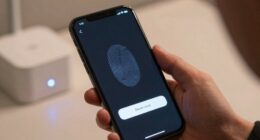
digital identity verification device
As an affiliate, we earn on qualifying purchases.
As an affiliate, we earn on qualifying purchases.
Key Questions
Has any personal data been confirmed as stolen?
At this stage, it is not yet confirmed whether any personal data was exfiltrated or simply monitored in real-time. Investigations are ongoing.
Which companies are believed to be affected?
Specific company names have not been publicly disclosed; reports indicate multiple firms involved in identity verification services.
How could hackers maintain access for over a year?
Experts suggest they may have exploited vulnerabilities in supply chains, insider access, or systemic security flaws, but details are still unconfirmed.
What are the potential risks for individuals?
If data was accessed or stolen, risks include identity theft, fraud, and targeted scams. The full impact depends on the scope of the breach, which is still under investigation.
What should companies do in response?
Companies are expected to review their security protocols, strengthen access controls, and cooperate with authorities to investigate the breach. Enhanced security measures may be implemented to prevent future incidents.
Source: hn
Fall Picks
fall essentials
As an affiliate, we earn on qualifying purchases.