Operation Aurora was a highly sophisticated cyberattack that targeted companies like Google, primarily aiming to steal sensitive information and intellectual property. You’d find out that the attack exploited zero-day vulnerabilities in Internet Explorer and used methods like malware-infected websites and email links. It was linked to Chinese state-sponsored hackers, revealing China’s cyber army’s abilities. If you’re curious about how this attack changed cybersecurity practices and exposed national security gaps, keep exploring further.

Get privacy and security gear delivered free with Prime
- Fast, free delivery on millions of items
- Prime Video, Amazon Music and more included
- Member-only deals all year
Key Takeaways
- Operation Aurora was a sophisticated cyberattack in 2009 targeting Google and over 20 major companies worldwide.
- It exploited zero-day vulnerabilities in Internet Explorer and used spear-phishing to deliver malware.
- The attack was traced to the Elderwood Group, linked to China’s state-sponsored cyber operations.
- Google publicly disclosed the breach in January 2010, exposing China’s involvement in cyber espionage.
- The incident highlighted the growing threat of nation-state cyber armies and prompted widespread security reforms.
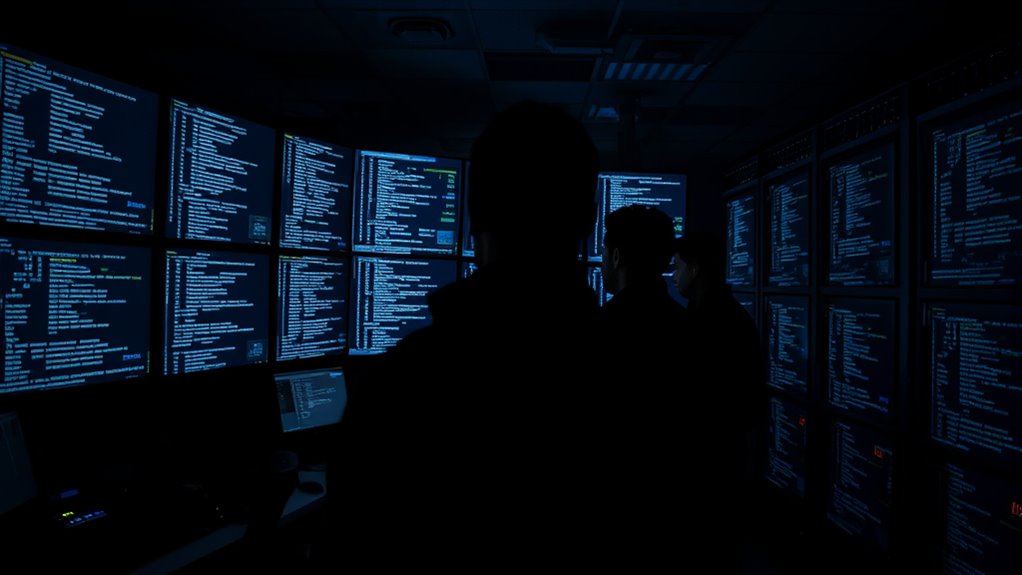
Operation Aurora was a highly sophisticated series of cyberattacks launched in mid-2009 that targeted Google and at least 20 to 34 other major companies across various sectors, including internet, finance, and technology. You might not have realized it at the time, but these attacks marked a turning point in cybersecurity history, exposing the vulnerabilities of even the world’s most advanced companies. The attacks were traced back to the Elderwood Group, also called Beijing Group, based in Beijing with links to the People’s Liberation Army. Technical evidence, such as IP addresses, malware signatures, and domain names, pointed directly to China. Google publicly confirmed that the origin of the attacks was Chinese, and subsequent investigations linked the assault to state-sponsored actors.
Operation Aurora was a sophisticated cyberattack targeting Google and major companies, traced to Chinese state-sponsored hackers.
The attackers exploited zero-day vulnerabilities in Internet Explorer, which Microsoft had known about since September 2009. They delivered malicious links via email and instant messaging platforms like Microsoft Messenger, tricking employees into clicking through and unwittingly granting access. Additional vulnerabilities in Perforce, the source code management software used by Google, were also exploited. The attackers infiltrated websites frequently visited by employees, injecting malware that established a foothold inside corporate networks. They used multiple attack vectors, including bot malware like Pushdo, to maintain persistent access and even masqueraded their backdoors as SSL connections to command and control servers. This incident highlighted the importance of cybersecurity defenses in protecting sensitive corporate data.]
Your primary concern would be the targeted theft of sensitive information. The attackers focused heavily on Gmail accounts of Chinese human rights activists, gaining access to communications and even court-ordered wiretap data. But the scope extended far beyond personal accounts. Google and other victims—including Adobe, Morgan Stanley, Yahoo, Northrop Grumman, and Dow Chemical—had their source code and intellectual property stolen. The sectors affected ranged from internet and finance to aerospace, arms manufacturing, energy, and electronics. The attackers probed for vulnerabilities in corporate intranets and source repositories, aiming to steal valuable trade secrets and strategic data. The attack also revealed significant weaknesses in enterprise security practices, prompting companies worldwide to reevaluate their defenses.
When Google detected the attack in mid-December 2009, they responded swiftly. They investigated, set traps, and managed to purge the attackers’ network within an hour, eradicating hooks and closing vulnerabilities across their infrastructure. The breach was publicly disclosed on January 12, 2010, through Google’s blog, which also announced their decision to pull Chinese search engine services from the mainland. The incident led to a significant overhaul of Google’s security measures and served as a wake-up call across the industry. It revealed the growing sophistication of nation-state cyber threats and highlighted the urgent need for advanced defense strategies. Even years later, Operation Aurora remains a stark reminder of how cyber espionage can threaten corporate and national security.
Frequently Asked Questions
How Long Did the Attack Remain Undetected Before Discovery?
You find out that the attack remained undetected for about a month, from mid-November to mid-December 2009. During this time, the hackers maintained access, quietly extracting data and planting malware. It was only in mid-December that Google detected the sophisticated intrusion. Once discovered, they responded quickly, investigating, isolating, and eradicating the threat within hours, but the breach’s stealthy duration highlights how advanced and patient the attack was.
Were Any Other Major Corporations Targeted Besides Those Publicly Known?
You see a digital storm brewing, with data streams like lightning strikes. Besides the publicly known companies, many other major corporations faced covert targeting, including Adobe, Symantec, and Yahoo. These attacks silently infiltrated their networks, stealing sensitive information. You might not have seen the full scope at first, but hidden beneath the surface, the threat extended far beyond the initial disclosures, revealing a broad and calculated campaign against multiple sectors.
What Specific Zero-Day Vulnerabilities Were Exploited by Attackers?
You should know that the attackers exploited zero-day vulnerabilities in Internet Explorer and Perforce source code software. The Internet Explorer flaw had been known to Microsoft since September 2009, allowing the hackers to deliver malicious links via email and instant messaging. Additionally, the Perforce software vulnerability enabled infiltration into Google’s systems. These zero-days were vital in gaining access and establishing the malware foothold in targeted networks.
How Did Google’s Response Influence Global Cybersecurity Policies?
Your response to Google’s breach sparked a global cybersecurity awakening, like a lighthouse piercing fog. It prompted stricter security policies worldwide, emphasizing proactive defense and threat detection. Major corporations and governments adopted tougher standards, investing in advanced cybersecurity measures to guard against nation-state attacks. This incident symbolized the dawn of a new era, where cybersecurity became not just a technical issue but a strategic priority to protect essential data and infrastructure.
Were There Any Indications of Direct Government Involvement Beyond Attribution?
You notice that beyond attribution, there are indications of direct government involvement, like the Chinese Politburo reportedly directing the intrusions through government operatives and public security experts. The technical evidence links the attacks to Chinese institutions and universities, and diplomatic cables reveal state-level coordination. These clues suggest that the government played an active role in orchestrating or supporting the cyberattacks, rather than just tacit approval or incidental involvement.
Conclusion
Operation Aurora serves as a wake-up call, revealing how easily a digital fortress can be breached by a determined adversary. Like a thief in the night, China’s cyber army slipped past defenses, exposing vulnerabilities you might not even know you have. It reminds you that in the world of cybersecurity, complacency is the enemy. Stay vigilant, keep your digital doors locked, and remember—cyber threats are always lurking just beyond the shadows, waiting for their moment.
Halloween Picks
halloween
As an affiliate, we earn on qualifying purchases.