
🔍 Read the full analysis: What The Alarm Did When Hackers Reached A Blood Bank's Plasma Freezers on ThorstenMeyerAI.com

Get privacy and security gear delivered free with Prime
- Fast, free delivery on millions of items
- Prime Video, Amazon Music and more included
- Member-only deals all year
TL;DR
France’s national blood service says a cybersecurity incident involving a refrigeration contractor’s remote systems affected cold-room controls at three sites overnight on Nov. 1–2. Monitoring and alarms detected rising temperatures, staff moved the plasma, and EFS reported no health impact or loss of blood products.
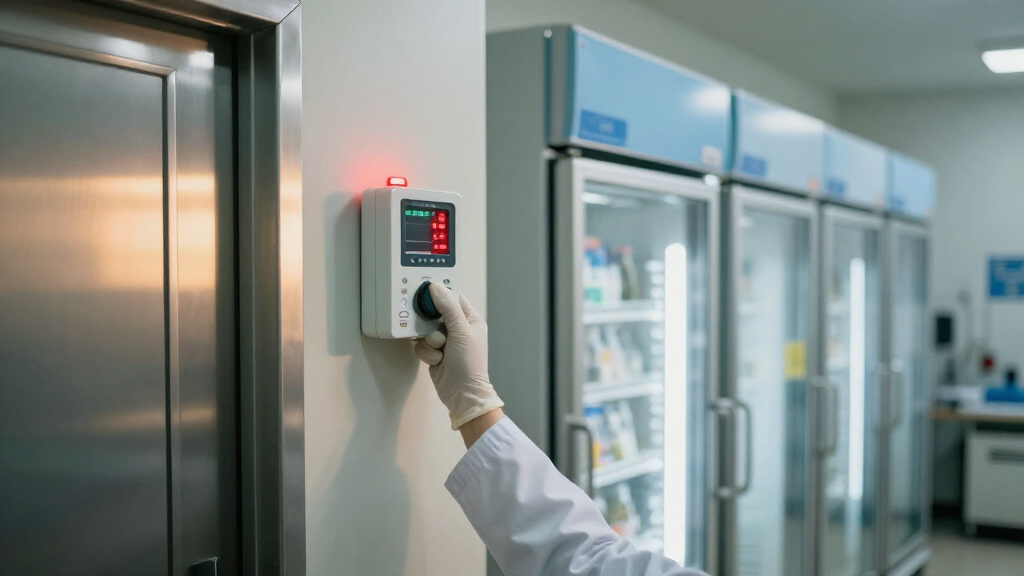
France’s national blood service says an overnight cybersecurity incident altered controls for cold rooms at three sites, where frozen plasma is stored for transfusions and medicines. EFS said its monitoring and alarm systems detected the anomalies, staff moved the products as a precaution, and no health impact or loss of blood products was reported.
In a statement issued Nov. 3, the Établissement français du sang (EFS) said a refrigeration equipment contractor had been the victim of a cybersecurity incident. The affected systems were used to supervise and control cold rooms. EFS said temperature and defrost thresholds were raised to very high levels, but its statement did not specify a temperature or name the contractor.
According to reporting by Le Canard enchaîné, repeated by other French outlets, rooms normally set to minus 30 degrees Celsius were assigned a target of 110 degrees Celsius. That figure was a controller setting, not a recorded room temperature: available reporting does not say that any room reached 110 degrees. EFS has not confirmed that number in its public statement.
EFS said its alarms identified the changes quickly. Equipment was brought under control or switched off, and the plasma was moved to other installations as a precaution. The service said the rooms held plasma for transfusion and plasma intended for fractionation, a process used to make medicines. Its teams are working with France’s national cybersecurity agency, ANSSI, and the health ministry; EFS also said temperature monitoring across its equipment had been stepped up.
Infographic 01 · 110 °C, explained
A setting, not a temperature
Someone raised the targets of plasma cold rooms at France’s blood service to +110 °C. The rooms never got there. What mattered was the alarm.
Frozen plasma has to stay at or below this line. The danger was thawing, not boiling. A few degrees too warm can already mean discarding bags.
- +110 °CThe programmed setpointTyped into the controller (Canard). Never reached, never measured.
- ~+50 °CHottest reported in the supermarket waveDefrost heaters forced on, same night (AFP, ZDFheute)
- −25 °CThe line that mattersFrozen plasma is stored at −25 °C or colder (EDQM guide via ISBT)
- −30 °CNormal operation of the EFS cold roomsAs reported by Le Canard enchaîné
Why the alarm won
- DetectionEFS monitoring and alarms flagged the anomaly quickly (EFS)
- A person on callAn on-call technician saw the temperature rise in the night (Canard)
- A plan BThe plasma was moved to other installations as a precaution (EFS)
Sources: EFS communiqué, 3 Nov 2026, via franceinfo · Le Canard enchaîné, as reported by Solutions Numériques · ISBT, citing the EDQM Guide · AFP via Al Jazeera, 4 Nov · ZDFheute, 3 Nov. The 110 °C and −30 °C figures come only from Le Canard enchaîné; the EFS gives no number.
Powered by Thorsten Meyer AI
Alarms Protected Stored Plasma
The incident shows how a compromise in a third-party maintenance or supervision system can reach equipment that supports healthcare operations. Frozen plasma must remain cold; if it warms beyond required storage conditions, products may need to be assessed and could become unusable. In this case, EFS said alarms and a rapid response allowed staff to move the stock before any reported product loss or health impact.
The outcome depended on more than the setting displayed on a controller. Independent monitoring, an on-call technician and alternative storage gave staff a way to spot the temperature trend and act. EFS’s account does not establish whether every organization has those safeguards, but the event makes the reliability of alarms and contingency plans a direct concern for hospitals and other operators that depend on controlled-temperature supplies.
The incident occurred on the same night as a separate wave of attacks targeting supermarket refrigeration systems in multiple European countries. That timing may prompt questions about cold-chain resilience, but no authority has linked the blood-service incident to the supermarket attacks. The two events should not be treated as a coordinated campaign on the evidence available.
Products Worth Considering

Jackery HomePower 3600 Plus Portable Power Station, 3584Wh, 3600W

Bose SoundLink Plus Portable Bluetooth Speaker, Black

Kindle Paperwhite 16GB (2024) – 7 Glare-Free Display, Weeks Battery Life – Black
As an affiliate, we earn on qualifying purchases.
What EFS and Reports Say
EFS collects blood donations and supplies hospitals across France. Its Nov. 3 statement described an incident affecting refrigeration supervision and control equipment at three sites. It said the stored products included plasma for transfusion and plasma for medicine production, and reported that technical teams were working with ANSSI and the health ministry.
More specific details come from Le Canard enchaîné, which reported that the contractor was Coolworld and that the altered target was 110 degrees Celsius. EFS has not named the contractor, and the contractor had not publicly commented in the source material. EFS also said it was not directly targeted, according to the report. One affected region, Bourgogne-Franche-Comté, was identified in that coverage; the other two sites were not publicly named.
Reports described the setting as a target entered into a controller, not a measured temperature. The distinction matters: the incident involved instructions to the refrigeration system, while the actual warming and its duration are separate questions. EFS’s public account confirms that alarms detected anomalies and that stock was moved, but gives no detailed temperature curve.
“The EFS monitoring and alarm systems made it possible to identify these anomalies quickly.”
— Établissement français du sang, statement issued Nov. 3
Temperatures and Attribution Remain Open
The actual temperatures reached, how long any rooms warmed, and the precise technical route used to alter the settings have not been disclosed in the EFS statement. The 110-degree figure comes from Le Canard enchaîné’s reporting, not from a temperature measurement reported by EFS. The service has not publicly identified the contractor, and two affected sites have not been named in the source material.
It is also not clear who carried out the intrusion or whether the contractor’s systems were accessed directly or through another route. Two groups describing themselves as pro-Russian claimed responsibility online for the separate supermarket refrigeration attacks, but those claims were unverified, the posts were deleted, and no government attribution was reported. No evidence in the source material connects those attacks to the EFS incident.
EFS reported no product loss or health impact. The public information provided does not include an independent technical assessment, detailed temperature records, or a complete account of how the incident was contained. Those details may clarify the scale of the exposure without changing the service’s stated outcome.
EFS Reviews Monitoring and Security
EFS said its technical teams were working with ANSSI and the health ministry and that monitoring of temperatures across its equipment had been increased. The service has not announced a public timeline for the work or released further technical findings in the material available as of Nov. 4.
Further information from EFS, the contractor or the cybersecurity authorities could establish how the remote supervision system was accessed, what temperatures the rooms actually reached, and whether changes to contractor access or monitoring will follow. For now, the confirmed public account is that alarms detected the anomalies, plasma was moved, and EFS reported no health impact and no product loss.
Key Questions
Did the blood plasma reach 110 degrees Celsius?
No such measured temperature has been reported. The 110-degree figure was described by Le Canard enchaîné as a controller target, not a temperature recorded inside a cold room. EFS’s public statement did not give a temperature figure.
Was any plasma lost or did anyone get sick?
EFS said no blood products were lost and no health impact was identified. It said the products were moved to other installations as a precaution.
Who was responsible for the intrusion?
The responsible party has not been identified publicly in the source material. EFS described its refrigeration contractor as the victim of a cybersecurity incident but did not name the company in its statement.
Was this connected to the supermarket refrigeration attacks?
The incidents took place on the same night, but no authority has linked them. Claims of responsibility for the supermarket attacks were unverified and do not establish a connection to the EFS incident.
Source: ThorstenMeyerAI.com