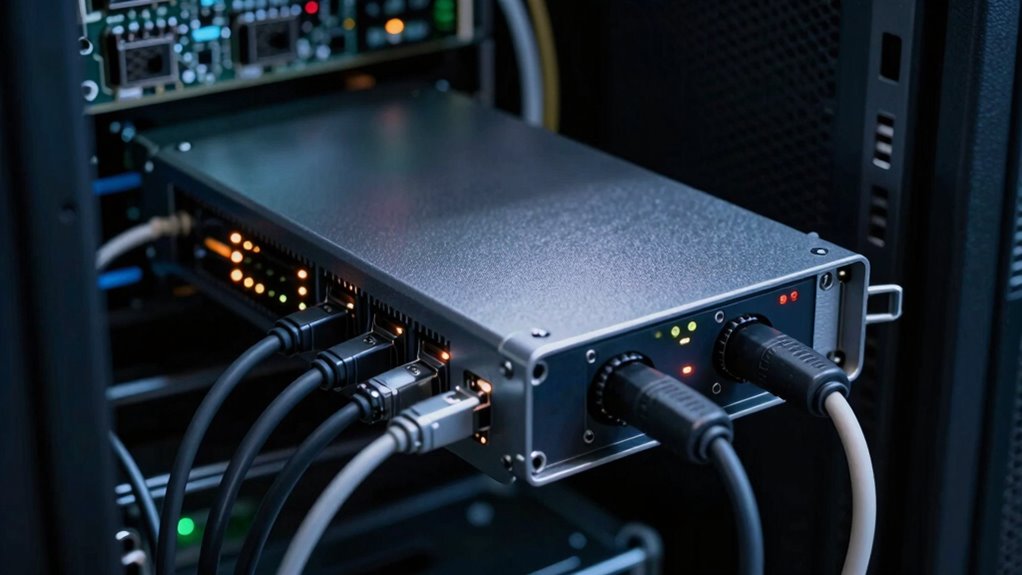

You might think software security is enough, but hardware security is the true foundation of your system’s trustworthiness. Vulnerabilities can be introduced early, during manufacturing or transit, through supply chain tampering or malicious components. Cryptographic modules and security features embedded in hardware protect sensitive data and prevent physical tampering. Ignoring hardware security leaves your system exposed to risks that could threaten your entire operation. Understanding its critical role helps you build more resilient and trustworthy systems—there’s much more to uncover.

Get privacy and security gear delivered free with Prime
- Fast, free delivery on millions of items
- Prime Video, Amazon Music and more included
- Member-only deals all year
Key Takeaways
- Hardware security forms the foundational trust that software protections rely on, preventing breaches at the physical level.
- Supply chain vulnerabilities can introduce malicious tampering before hardware reaches users, often unnoticed.
- Cryptographic modules embedded in hardware protect sensitive data and resist physical tampering, ensuring secure operations.
- Early integration of security features in hardware architecture significantly reduces the risk of physical and supply chain attacks.
- Overlooking hardware security leaves systems vulnerable to targeted physical attacks, compromising overall system integrity and trust.

In today’s digital landscape, hardware security plays a vital role in safeguarding sensitive information and maintaining system integrity. When you consider how interconnected everything has become, it’s clear that the security of the hardware you rely on isn’t just a technical detail—it’s the foundation of trust in your entire system. One of the most overlooked aspects is the supply chain, which can introduce vulnerabilities before your hardware even reaches your hands. If malicious actors tamper with components during manufacturing or transit, they could embed backdoors or compromised cryptographic modules, undermining your security from the start. This makes understanding and managing supply chain risks critical, especially when dealing with hardware that is integral to your operations. You need to ensure that every link in the chain is secure, verified, and trusted.
Cryptographic modules are another crucial element in hardware security that many teams underestimate. These modules are responsible for encrypting and decrypting sensitive data, securing communications, and authenticating devices and users. If they’re compromised or poorly implemented, your entire security model can fall apart. Hardware-based cryptographic modules, such as Trusted Platform Modules (TPMs) and Hardware Security Modules (HSMs), provide a trusted environment for performing these sensitive operations. They’re designed to resist physical tampering, making it much harder for attackers to extract cryptographic keys or manipulate processes. Without these, you’re relying solely on software-based solutions that could be more vulnerable to attack. Recognizing the importance of hardware integrity is essential for comprehensive security. Incorporating supply chain security practices can further help mitigate potential risks early in the hardware lifecycle. Additionally, understanding the threat landscape related to hardware vulnerabilities can help organizations develop more targeted and effective security measures.
You might think that software security measures are enough, but hardware security adds an essential layer of protection that’s often overlooked. Attackers are increasingly sophisticated, and they’re not just after data—they’re after the hardware itself. Physical attacks, supply chain infiltrations, or tampering with cryptographic modules can all compromise your entire system. That’s why integrating hardware security measures early in your development process is vital. It’s not just about adding security features; it’s about embedding them into the hardware architecture from the ground up, making it significantly more difficult for malicious actors to succeed.
Ultimately, hardware security’s importance extends beyond just protecting data. It’s about ensuring the entire system’s trustworthiness. When you understand the vulnerabilities in your supply chain and invest in robust cryptographic modules, you’re taking proactive steps to defend against threats that could otherwise go unnoticed until it’s too late. Recognizing that hardware security isn’t a secondary concern but a core element of your security strategy can make all the difference in safeguarding your organization’s future.
As an affiliate, we earn on qualifying purchases.
Frequently Asked Questions
How Can Hardware Security Threats Be Detected Early?
You can detect hardware security threats early by implementing continuous monitoring for firmware vulnerabilities and supply chain risks. Regularly auditing firmware for unauthorized changes helps identify tampering, while vetting suppliers minimizes supply chain risks. Using intrusion detection systems and security analytics enables you to spot anomalies quickly. Staying updated with threat intelligence and conducting frequent security assessments guarantee that potential threats are caught before they escalate, safeguarding your hardware assets effectively.
What Industries Face the Highest Hardware Security Risks?
You might think industries like finance or healthcare face the highest risks, but the truth is, tech and manufacturing sectors often encounter the most hardware security threats. Supply chain vulnerabilities and insider threats specifically put these industries at risk, as tampered components or malicious insiders can introduce vulnerabilities early. Staying vigilant means understanding these risks and implementing robust security measures to prevent critical breaches.
Are Hardware Security Measures Cost-Effective for Small Businesses?
Hardware security measures can be cost-effective for small businesses when you conduct a thorough cost analysis and focus on risk mitigation. Investing in security tools might seem costly upfront, but it prevents expensive breaches and data loss later. By prioritizing essential protections, you reduce vulnerabilities, safeguard customer trust, and avoid costly downtime. So, with strategic planning, hardware security offers a valuable return on investment for small businesses.
How Often Should Hardware Security Protocols Be Updated?
You should update hardware security protocols at least quarterly, as firmware vulnerabilities can emerge rapidly, exposing you to supply chain risks. Studies show that 60% of hardware breaches exploit outdated firmware. Regular updates patch security flaws, reducing the chance of cyberattacks through compromised hardware. Staying proactive guarantees you protect sensitive data and maintain system integrity, especially as new threats and vulnerabilities constantly evolve.
What Skills Are Essential for Hardware Security Professionals?
You need a strong grasp of cryptographic protocols and firmware integrity to excel as a hardware security professional. Your skills should include understanding secure boot processes, hardware vulnerabilities, and attack mitigation strategies. You also must stay updated on emerging threats and best practices. Critical thinking and problem-solving skills are essential, as is hands-on experience with hardware testing tools. These skills enable you to safeguard devices from tampering and guarantee robust security.
As an affiliate, we earn on qualifying purchases.
Conclusion
You might not realize it, but hardware security is more critical than ever. Did you know that over 80% of data breaches involve some form of hardware vulnerability? That means protecting your devices isn’t just about software updates—it’s about safeguarding every component. Ignoring hardware security can leave your entire system exposed. Stay proactive, stay protected, and remember: securing hardware is the foundation for a truly resilient defense.
As an affiliate, we earn on qualifying purchases.
Hardware Tamper Detection Devices
As an affiliate, we earn on qualifying purchases.
As an affiliate, we earn on qualifying purchases.
Fall Picks
fall essentials
As an affiliate, we earn on qualifying purchases.