

Identity and Access Management (IAM) is essential for securing sensitive data. It involves verifying identities through methods like usernames and passwords, and multi-factor authentication adds an extra layer of security. IAM also establishes access control policies based on user roles, ensuring individuals only have the privileges they need. Monitoring user activity helps detect unusual behavior, while regular audits enhance security and compliance. Keep exploring to understand how IAM can protect your organization further.
Key Takeaways
- IAM involves verifying user identities through methods like usernames, passwords, and multi-factor authentication to prevent unauthorized access.
- Access control policies define permissions based on user roles, ensuring that only necessary personnel can access specific information.
- The principle of least privilege restricts user access to the minimum required for their job, minimizing data breach risks.
- Monitoring user activity allows organizations to detect suspicious behavior and respond quickly to potential security threats.
- Regular audits and compliance checks enhance IAM security, identify vulnerabilities, and align strategies with industry standards.

Have you ever wondered how organizations keep their sensitive information secure? When it comes to safeguarding data, two fundamental concepts stand out: user authentication and access control policies. These practices form the backbone of Identity and Access Management (IAM), ensuring that only authorized individuals gain access to critical resources.
User authentication is the process of verifying a person’s identity before granting access to systems or data. Imagine you’re trying to log in to your email account—you enter your username and password, right? This simple action is a form of user authentication. Organizations often implement multi-factor authentication (MFA) to enhance security further. MFA requires not just a password but also a second verification step, like a code sent to your phone. By using these methods, organizations notably reduce the risk of unauthorized access.
User authentication verifies identities through methods like passwords and multi-factor authentication, significantly reducing unauthorized access risks.
Once users are authenticated, the next step is to enforce access control policies. Think of these policies as rules that dictate who can access what information and under which conditions. An organization may have different access levels for employees based on their roles. For example, a finance department employee might have access to sensitive financial records, while someone in marketing may not. This ensures that employees only access the information necessary for their job functions, limiting potential exposure of sensitive data.
Access control policies are often defined using the principle of least privilege. This principle states that users should only have the minimum level of access required to perform their tasks. By adhering to this principle, organizations can minimize the risk of accidental or intentional data breaches. You wouldn’t want everyone in your organization to have access to all data, would you? This thoughtful approach to access ensures that sensitive information remains protected.
In addition to user authentication and access control policies, organizations continuously monitor user activity. This monitoring helps to identify any suspicious behavior, allowing security teams to respond quickly to potential threats. For instance, if someone attempts to log in from an unrecognized device or location, the system can trigger alerts, prompting an investigation. Regular audits in SQA processes can further enhance the security measures surrounding IAM by identifying gaps and ensuring compliance with industry standards.

Amazon eero Pro 7 tri-band mesh Wi-Fi 7 router (newest model) - Supports internet plans up to 5 Gbps, Coverage up to 6,000 sq. ft., 3-pack
WIFI AT THE SPEED OF LIFE - eero Pro 7 brings next-generation speed and reliability to home and...
As an affiliate, we earn on qualifying purchases.
Frequently Asked Questions
What Are the Benefits of Implementing IAM in an Organization?
Implementing IAM in your organization brings numerous benefits. You’ll enhance security by controlling user access effectively, reducing the risk of unauthorized entry. Streamlining access management simplifies user experiences, letting employees focus on their tasks without hassle. You’ll also gain better compliance with regulations, as IAM systems provide audit trails and reporting capabilities. Overall, it empowers you to protect sensitive data while ensuring that the right people have the right access at the right time.
How Does IAM Differ From Traditional Security Measures?
Think of traditional security measures as a locked door with a single key. IAM, however, is like a smart lock that recognizes you and grants access based on your role. With single sign-on, you unseal multiple doors with one key, simplifying your experience. Role-based access tailors permissions to your specific job, ensuring you only see what you need. This dynamic approach enhances security and user efficiency, unlike static, one-size-fits-all traditional methods.
What Are Common IAM Tools Available in the Market?
You’ll find several common IAM tools in the market, including single sign-on (SSO) solutions like Okta and OneLogin, which simplify user access across multiple applications. Multi-factor authentication (MFA) tools, such as Duo Security and Google Authenticator, add an extra layer of security by requiring more than just a password for access. These tools help streamline user experience while ensuring robust security measures are in place to protect sensitive information.
How Do I Choose the Right IAM Solution for My Business?
To select the right IAM solution for your business, start by evaluating your user access needs and existing workflows. Identify which compliance standards you must meet, as this will guide your selection. Consider scalability and integration capabilities with your current systems. Evaluate user-friendliness and the vendor’s support options. Finally, conduct a cost-benefit analysis to ensure the solution fits your budget while providing the necessary security and compliance features.
What Are the Risks of Not Using IAM?
If you’re not using IAM, you’re playing with fire. Without proper user access controls, you leave your business vulnerable to data breaches, which can lead to financial loss and reputational damage. Hackers can exploit weak access points, gaining unauthorized entry to sensitive information. Plus, without a structured approach, it’s tough to track who’s accessing what, making it easier for mistakes or malicious actions to slip through the cracks.

Amazon eero Pro 6E mesh wifi system - Supports internet plans up to 2.5 Gbps, Coverage up to 8,000 sq. ft., Connect 100+ devices, 4-pack
EERO’S FIRST Wi-Fi 6E ROUTER - eero Pro 6E supports fast speeds and direct access to the new...
As an affiliate, we earn on qualifying purchases.
Conclusion
In the world of digital security, think of Identity and Access Management as your personal gatekeeper, standing watch over your domain. By understanding IAM basics, you’re not just securing data; you’re safeguarding your realm against threats. As you embrace these principles, you’re empowering yourself and your organization, ensuring that only the right people pass through the gates. So, take charge of your identity and access practices, and watch your digital fortress thrive.
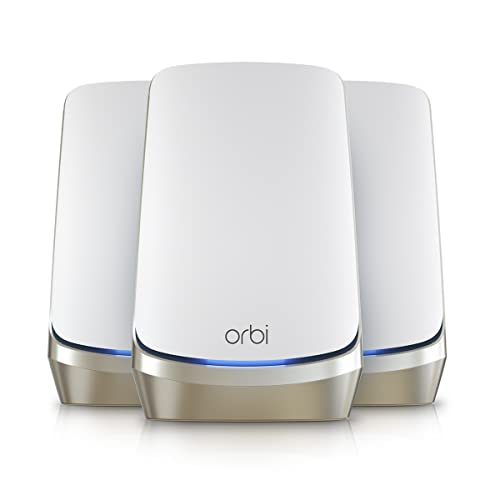
NETGEAR Orbi Quad-Band WiFi 6E Mesh Network System (RBKE963), Router + 2 Satellite Extenders, Security Features, Up to 10.8 Gbps, Coverage up to 9,000 sq. ft., 200 Devices, 10 Gig Internet Port
Our most powerful whole-home WiFi 6E system with speeds up to 10.8 Gbps and coverage up to 9,000...
As an affiliate, we earn on qualifying purchases.

ASUS ZenWiFi BT10 Tri-Band WiFi 7 Mesh, 18 Gbps, 6000 sq.ft (2pk), Dual 10G Ports, Security and Parental Controls Included, Smart Home Master SSIDs, 4G & 5G Mobile Tethering
Powerful WiFi 7 mesh with superior tri-band connectivity future proofs your smart home with blazing fast speeds up...
As an affiliate, we earn on qualifying purchases.