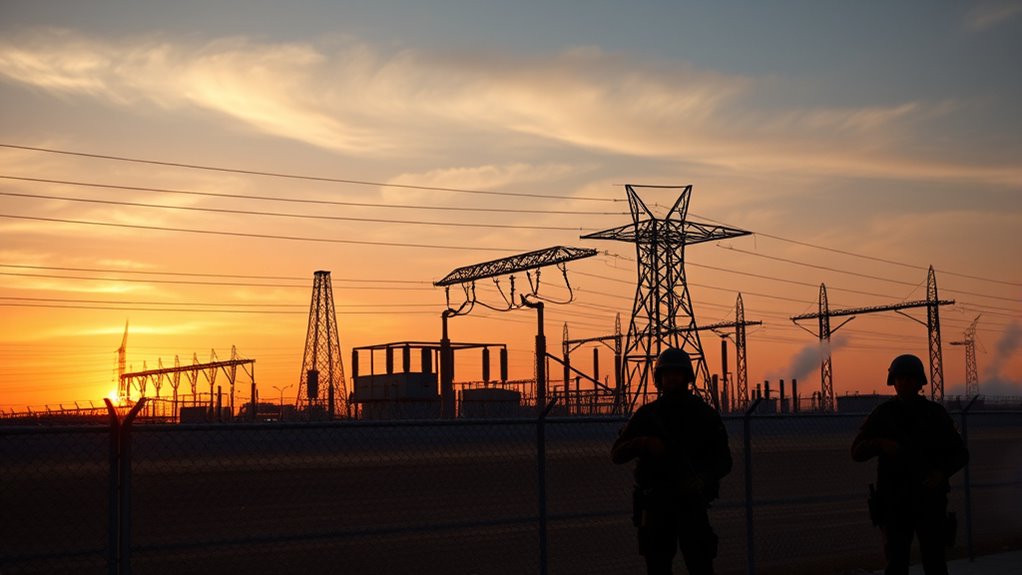

Protecting critical infrastructure like power grids and utilities is essential for national security and public safety. Cyber threats can easily exploit vulnerabilities in these interconnected systems, risking major disruptions that affect billions. To defend against these risks, you need a robust cybersecurity strategy that includes firewalls, encryption, and regular software updates. Employee training also plays a key role in reducing human error. By staying informed and adapting, you’ll better understand how to safeguard these essential services.

Get privacy and security gear delivered free with Prime
- Fast, free delivery on millions of items
- Prime Video, Amazon Music and more included
- Member-only deals all year
Key Takeaways
- Implement a multi-layered cybersecurity strategy, incorporating firewalls, encryption, and regular software updates to defend against cyber threats.
- Conduct regular assessments of interconnected systems to identify and mitigate vulnerabilities that could be exploited by cybercriminals.
- Foster collaboration between industries and government agencies to share best practices and enhance understanding of cybersecurity threats.
- Invest in employee training programs to increase awareness of cybersecurity risks and reduce the likelihood of human error.
- Design resilient infrastructure that includes redundant systems to ensure service continuity during cyberattacks or natural disasters.
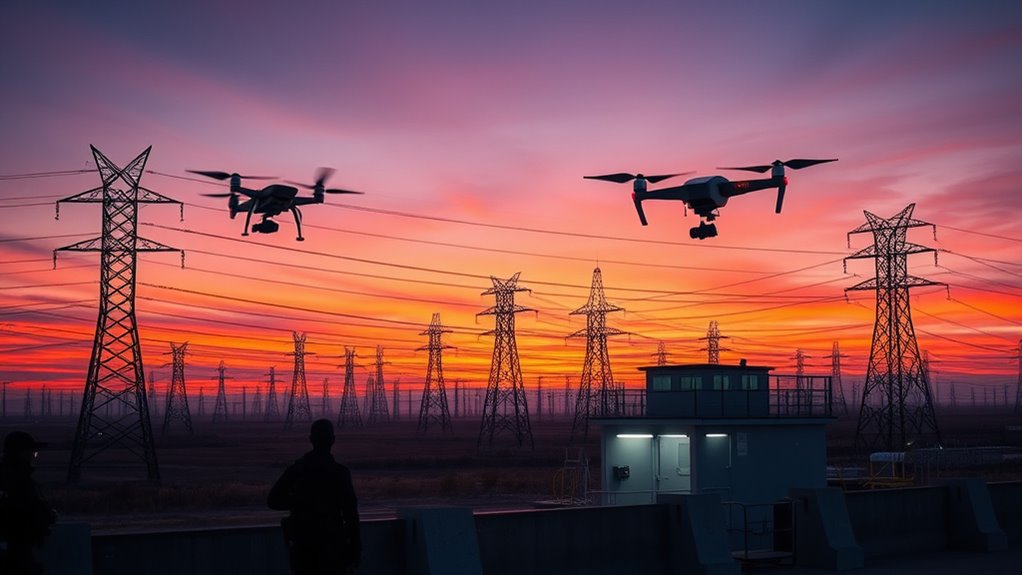
How can we guarantee the safety of our essential infrastructure in an increasingly interconnected world? As you navigate through this digital landscape, you’ll realize that the protection of power grids and utilities isn’t just a technical challenge; it’s a matter of national security and public safety. With the rise of cyber threats, it’s imperative to implement robust cybersecurity strategies that can safeguard these indispensable systems from potential attacks. By doing so, you not only protect the infrastructure but also ensure the resilience of the services that billions of people rely on daily.
The protection of our essential infrastructure is crucial for national security and public safety in today’s digital age.
You might think about the various vulnerabilities that come with interconnected systems. Each connection can be a potential entry point for cybercriminals. To mitigate these risks, adopting a multi-layered approach to cybersecurity is essential. This includes everything from advanced firewalls and encryption to regular software updates and employee training. When you prioritize these cybersecurity strategies, you create a formidable defense against intrusions that could disrupt power supplies or water systems.
Infrastructure resilience plays a significant role in this equation. It’s not enough to just build strong defenses; you also need systems that can quickly recover from any disruptions. Developing resilience means designing utilities that can withstand both natural disasters and cyberattacks. For instance, you can implement redundant systems that allow for immediate failover in case of a breach. This way, even if an attack compromises one part of the network, the rest can continue to function, minimizing impact on the public.
Collaboration is another critical aspect of securing your vital infrastructure. By sharing information and best practices across industries and government agencies, you can enhance your understanding of potential threats and vulnerabilities. You’re not alone in this fight; many entities are in the same boat, and sharing knowledge can lead to more effective cybersecurity strategies. Furthermore, investing in research and development for innovative solutions can keep you ahead of emerging threats. Participating in hackathons can also serve as an opportunity to develop creative solutions to cybersecurity challenges.
Finally, it’s essential to stay informed and adaptable. The cyber landscape is constantly evolving, and what works today might not work tomorrow. Regularly reviewing and updating your cybersecurity strategies is fundamental for maintaining infrastructure resilience. By staying proactive, you can better protect your critical infrastructure, ensuring that it remains reliable and secure for everyone who depends on it. It’s a collective effort, and every action counts in safeguarding our interconnected world.
Products Worth Considering

Apple iPad Air (4th Generation, 10.9-inch, Wi-Fi, 256GB) – Space Gray

Sonos Era 100 Wireless Smart Speaker, Black

LG UltraGear 32GX850A-B 32-Inch 4K UHD Glossy OLED Gaming Monitor
As an affiliate, we earn on qualifying purchases.
Frequently Asked Questions
What Types of Cyber Threats Target Power Grids and Utilities?
Power grids and utilities face several cyber threats, including cyber espionage and malware attacks. Cyber espionage involves unauthorized access to gather sensitive information, which can lead to operational disruptions. Malware attacks, on the other hand, can infect systems, causing outages or damaging infrastructure. You need to stay vigilant against these threats by implementing strong cybersecurity measures, regularly updating software, and training staff to recognize potential risks to guarantee the integrity of these essential services.
How Do Natural Disasters Impact Critical Infrastructure Resilience?
Natural disasters markedly challenge critical infrastructure resilience. You’ll notice that climate change impacts, like extreme weather events, can overwhelm systems, leading to outages and damage. If you prioritize disaster preparedness, you can mitigate these effects by strengthening infrastructure and ensuring backup systems are in place. Regular training and community engagement also enhance your response capabilities, making it easier to recover and maintain essential services during and after a disaster strikes.
What Role Do Government Regulations Play in Protecting Utilities?
Government regulations play a vital role in protecting utilities, with about 70% of infrastructure improvements driven by regulatory compliance. These regulations guarantee that utilities adhere to safety standards and best practices, which helps minimize risks from both natural disasters and human threats. Policy enforcement also holds companies accountable, promoting investment in resilient technologies. By creating a framework for accountability, these regulations help maintain the integrity and reliability of essential services you depend on daily.
How Can Individuals Contribute to Infrastructure Security in Their Communities?
You can contribute to infrastructure security in your community by fostering community awareness and engaging in local partnerships. Start by educating yourself and others about potential threats and safety measures. Collaborate with local organizations, schools, and businesses to create initiatives that promote vigilance and preparedness. Participate in neighborhood watch programs or community meetings, where you can share information and resources. Your active involvement can make a significant difference in enhancing security and resilience.
What Technologies Are Emerging for Infrastructure Protection and Monitoring?
Emerging technologies like smart sensors and drone surveillance are revolutionizing infrastructure protection and monitoring. You can utilize smart sensors to gather real-time data on environmental conditions and detect anomalies, enhancing early threat identification. Drone surveillance allows you to cover vast areas quickly, providing aerial views that help spot potential vulnerabilities. By embracing these innovations, you’ll strengthen your community’s ability to monitor and protect essential infrastructure efficiently and effectively.
Conclusion
In a world where our power grids hum with energy, a single cyberattack can silence entire cities. While we enjoy the convenience of modern utilities, we must also recognize the lurking threats that could plunge us into darkness. Protecting critical infrastructure isn’t just about safeguarding technology; it’s about ensuring our way of life remains uninterrupted. By investing in robust defenses today, we create a resilient tomorrow, balancing comfort and security in an increasingly interconnected world.