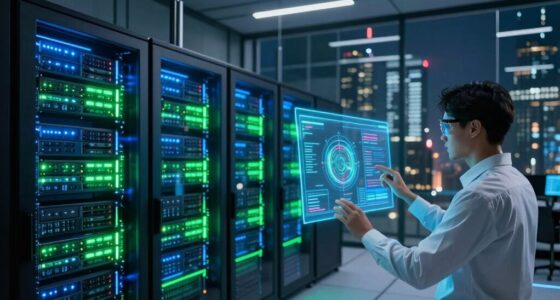

Digital twins are virtual replicas of physical systems that let you simulate, analyze, and optimize processes in real time. You can monitor equipment performance, predict failures, and improve operational efficiencies—all of which reduce downtime and costs. By harnessing AI and data integration, these models empower you to make informed decisions for better outcomes. Plus, they promote collaboration across departments. Keep exploring to discover even more benefits and applications of digital twin technology.
Key Takeaways
- Digital twins create virtual replicas of physical systems, enabling real-time simulation and analysis for better decision-making.
- They help monitor equipment performance and predict failures, allowing for proactive maintenance and reduced downtime.
- Integrating AI and machine learning enhances data analysis, revealing patterns for operational optimization and efficiency improvements.
- Data security measures, including encryption and access controls, protect sensitive information within digital models from cybersecurity threats.
- Digital twins foster collaboration across departments by sharing insights, promoting innovation, and driving continuous process improvement.
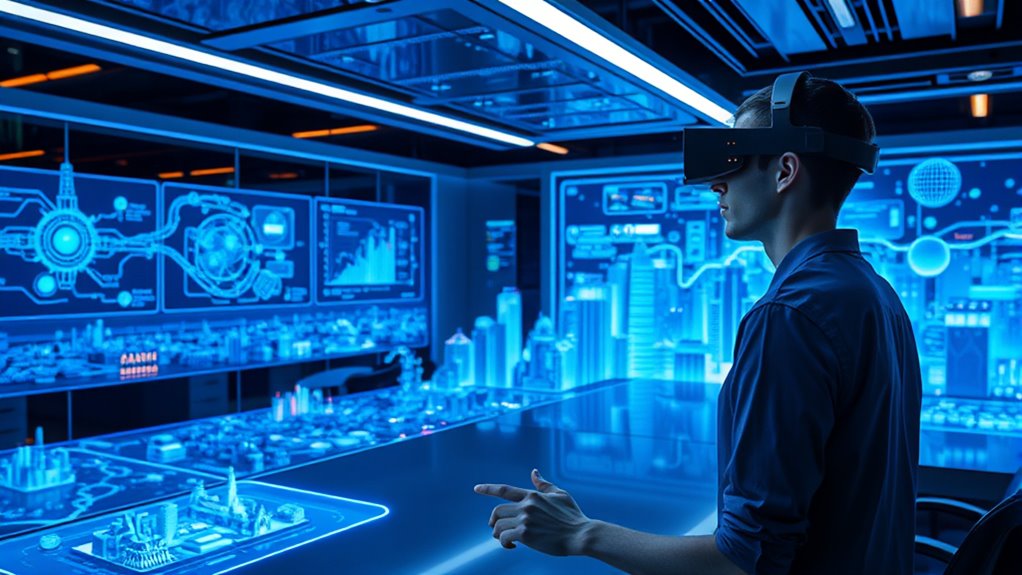
As technology evolves, digital twins have emerged as a game-changer in various industries. You might be wondering what exactly a digital twin is. Simply put, it’s a virtual replica of a physical system or process that allows you to simulate, analyze, and optimize operations in real-time. This concept is transforming sectors like manufacturing, healthcare, and urban planning by providing insights that were previously unattainable.
Digital twins are revolutionizing industries by creating virtual replicas that enable real-time simulation and optimization of operations.
Imagine you’re overseeing a manufacturing plant. With a digital twin, you can monitor equipment performance, predict failures, and optimize maintenance schedules. This integration of data not only enhances efficiency but also reduces downtime, saving you both time and money. The real magic happens when you incorporate AI integration into your digital twin. By utilizing machine learning algorithms, you can analyze vast amounts of data and uncover patterns that might go unnoticed. This predictive capability empowers you to make informed decisions that drive operational excellence. Additionally, integrating real-time monitoring systems into your digital twin can further enhance operational oversight and alert you to potential issues instantly.
However, while the benefits are clear, you also need to contemplate data security. As you rely more on these digital models, protecting sensitive information becomes paramount. Cybersecurity threats are ever-evolving, and the interconnected nature of digital twins can expose vulnerabilities. Ensuring data security means implementing robust encryption protocols and access controls to safeguard your systems. You wouldn’t want a breach to undermine the advantages that digital twins offer.
Moreover, as you implement digital twins, think about the collaborative potential they bring. Teams across your organization can work together in real-time, sharing insights and making decisions based on the same data. This synergy enhances innovation and drives better outcomes. It also fosters a culture of continuous improvement, as everyone can contribute to refining processes based on the simulations provided by the digital twin.

LG 45GX950A-B 45-inch Ultragear 5K2K WUHD (5120 x 2160) OLED Curved Gaming Monitor, Dual-Mode, 165Hz, 0.03ms, NVIDIA G-Sync, AMD FreeSync Premium Pro, HDR True Black 400, USB Type-C 90W, DP2.1
World's First 5K2K OLED Gaming Monitor - Gaming like never before with the world's first 5K2K WUHD (5120...
As an affiliate, we earn on qualifying purchases.
Frequently Asked Questions
How Do Digital Twins Enhance Predictive Maintenance Strategies?
Digital twins enhance predictive maintenance strategies by leveraging predictive analytics and system simulation. You can monitor real-time data from physical assets, allowing you to anticipate failures before they occur. By simulating various scenarios, you gain insights into ideal maintenance schedules and operational efficiency. This proactive approach not only reduces downtime but also minimizes costs, helping you make informed decisions that keep your systems running smoothly. Embracing this technology can markedly improve your maintenance outcomes.
What Industries Benefit Most From Digital Twin Technology?
If industries were a garden, digital twin technology would be the prized rose. You’ll find urban planning and supply chain sectors blooming the most from this innovation. In urban planning, it helps simulate growth and resource allocation, ensuring cities thrive. Meanwhile, in supply chains, it enhances efficiency by predicting disruptions and optimizing logistics. With these applications, you’re witnessing a transformation that’s reshaping how these industries operate and grow sustainably.
Are Digital Twins Expensive to Implement and Maintain?
Implementing and maintaining digital twins can be expensive, but it really depends on your specific needs and existing infrastructure requirements. You’ll need to contemplate the initial investment for software, sensors, and data management systems. Ongoing costs like updates and maintenance can add up too. However, when you weigh these cost considerations against the potential savings and efficiencies gained, the return on investment often justifies the expense over time.
Can Digital Twins Integrate With Existing IT Systems?
Yes, digital twins can integrate with existing IT systems. By leveraging system integration techniques, you can guarantee seamless communication between your digital twin and current infrastructure. This approach enhances data interoperability, allowing you to gather and analyze real-time data effectively. As a result, you can optimize processes and make informed decisions. Proper planning and the right tools will help you achieve smooth integration, making your digital twin even more valuable to your organization.
What Skills Are Required to Develop and Manage Digital Twins?
To develop and manage digital twins, you’ll need strong skills in data analysis, programming, and system modeling. Enhancing your digital literacy is vital, as it helps you understand complex data flows and software integration. Skills development in areas like IoT, machine learning, and cloud computing will also be beneficial. Staying updated with emerging technologies ensures you’re equipped to tackle challenges in creating and maintaining these virtual representations effectively.

SAMSUNG 49" Odyssey G9 (G95C) Series DQHD 1000R Curved Gaming Monitor, 240Hz, 1ms(GtG), DisplayHDR 1000, AMD FreeSync Premium Pro, Eye Saver Mode, Auto Source Switch+, LS49CG950ENXZA, 2024
HANDPICKED BY AMAZON: They did the research so you don’t have to.
As an affiliate, we earn on qualifying purchases.
Conclusion
In the vibrant world of digital twins, you’re not just watching a simulation; you’re stepping into a vivid, living replica of reality. Imagine peering into a crystal-clear mirror that reflects every pulse and breath of your physical systems, allowing you to tweak, enhance, and predict outcomes with ease. As you navigate this virtual landscape, you hold the power to reshape the future, turning data into action and dreams into tangible innovations. The possibilities are endless!

LG 32GX850A-B 32" UltraGear 4K UHD (3840 x 2160) Glossy OLED Gaming Monitor, Dual-Mode 165Hz/330Hz, 0.03ms, G-SYNC, FreeSync Premium Pro, TrueBlack 400, HDMI, DP, Tilt/Height/Swivel/Pivot Stand, Black
32" 4K UHD Glossy OLED Display - Experience ultra-sharp visuals and lifelike color on a stunning 32-inch 4K...
As an affiliate, we earn on qualifying purchases.

LG 40U990A-W 40-inch Ultrafine evo 5K2K WUHD (5120 x 2160) Nano IPS Curved Monitor, Thunderbolt 5, DisplayHDR 600, Built-in Speaker, 120Hz, HDMI 2.1, DP 2.1, USB C, Tilt/Height/Swivel Stand, White
The World’s First 5K2K Monitor with Thunderbolt 5 - The LG UltraFine evo 40U990A is the world’s first...
As an affiliate, we earn on qualifying purchases.