
Using fewer ecosystems makes your home automation more reliable, easier to manage, and secure. When your devices communicate within a single platform, setup becomes simpler, and automations run smoothly. It reduces software conflicts, firmware issues, and the need for constant troubleshooting. Plus, a unified system offers better security and easier maintenance. Simplifying your ecosystem leads to a more cohesive experience with fewer frustrations. Keep exploring to discover how this approach can boost your smart home’s performance even further.

Get privacy and security gear delivered free with Prime
- Fast, free delivery on millions of items
- Prime Video, Amazon Music and more included
- Member-only deals all year
Key Takeaways
- Fewer ecosystems ensure more reliable device communication and easier setup processes.
- Reduced software conflicts improve device stability and minimize disruptions.
- A single control platform simplifies management and enhances user experience.
- Streamlined updates and maintenance increase security and system reliability.
- Better device integration creates a cohesive, seamless smart home environment.
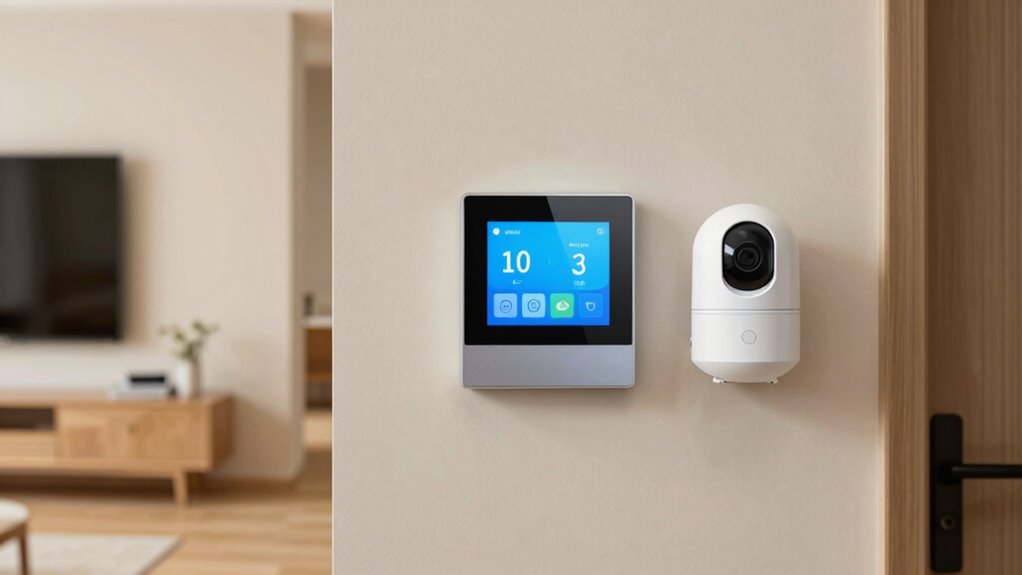
As smart home technology continues to evolve, many homeowners find themselves overwhelmed by the variety of ecosystems and devices that often don’t work seamlessly together. When you’re juggling multiple brands and platforms, you quickly notice that device compatibility becomes a major obstacle. Devices might claim to support certain standards, but in practice, they often fall short, causing frustration and delays. This fragmentation complicates your setup process, making it harder to automate routines or expand your system without running into compatibility issues. If your devices don’t speak the same language or share common protocols, you spend extra time troubleshooting or searching for workarounds, which hampers your overall user experience.
Choosing fewer ecosystems simplifies setup, improves reliability, and enhances your overall smart home experience.
Fewer ecosystems mean you can focus on choosing products that are designed to work together from the start. When your devices are part of a unified platform, they tend to communicate more reliably, enabling smoother automation. You’ll notice that with a streamlined system, setting up new devices or creating routines becomes more straightforward because everything integrates seamlessly. Your user experience improves because you’re not constantly switching between apps, troubleshooting connectivity problems, or managing multiple accounts. Instead, you get a cohesive interface that simplifies controlling your smart home, keeping things intuitive and responsive.
Having fewer ecosystems also reduces the chances of software conflicts or firmware incompatibilities that can cause devices to malfunction or become unresponsive. When you’re dealing with only a handful of trusted brands or platforms, updates tend to be better coordinated, minimizing disruptions. This focus on compatibility means your devices are more stable and reliable, which directly impacts your daily convenience. You don’t have to worry about certain gadgets losing functionality after a software update or needing complex integrations to get them to work together. Additionally, a unified system often provides better security and data protection, giving you peace of mind regarding your smart home’s safety. In fact, fewer systems can also simplify your maintenance efforts, saving time and reducing potential issues over time.
Moreover, fewer ecosystems often lead to a more consistent user experience. You become familiar with a single app or control system, making routines and customization easier to manage. There’s less confusion about which device does what and how to troubleshoot issues. With fewer platforms competing for your attention, you gain clarity and confidence in managing your smart home. This streamlined approach not only saves you time and effort but also helps you enjoy the full benefits of automation without the headaches caused by incompatible devices or clunky interfaces. A unified platform can also foster better integration with other smart home technologies, further enhancing your overall setup.
In essence, limiting your smart home to fewer ecosystems creates a more cohesive, reliable, and enjoyable experience. It simplifies device compatibility challenges, enhances user experience, and allows your home automation system to truly work for you—effortlessly and efficiently.
As an affiliate, we earn on qualifying purchases.
Frequently Asked Questions
How Do I Choose the Best Ecosystem for My Home?
You choose the best ecosystem by prioritizing integration flexibility and user experience. Look for one that seamlessly connects your devices and offers intuitive control, making daily routines easier. Consider ecosystems that match your existing gadgets and future plans, avoiding compatibility issues. Test user interfaces to guarantee they’re simple and enjoyable. By focusing on these factors, you’ll create a cohesive smart home that’s efficient, reliable, and tailored to your needs.
Can I Upgrade My Existing Devices to a New Ecosystem?
Imagine trying to fit a square peg into a round hole—that’s what device migration can feel like when upgrading to a new ecosystem. You can often upgrade your existing devices, but it depends on compatibility and ecosystem integration. Some devices may require new hardware or firmware updates, making the process smoother or more complicated. Carefully research each device’s compatibility to make certain of seamless integration and avoid frustration during your upgrade journey.
What Are the Security Risks of Consolidating Ecosystems?
Consolidating ecosystems increases your security risks, as a data breach in one platform could expose all your connected devices. You also face heightened privacy concerns because centralized data collection makes it easier for malicious actors to access sensitive information. By narrowing your ecosystems, you reduce these risks, keeping your smart home safer and your personal data more protected. Stay vigilant and choose trusted, secure platforms to minimize potential vulnerabilities.
How Does Fewer Ecosystems Impact Device Compatibility?
Like a knight with his sword, you’ll find fewer ecosystems enhance device interoperability, making your smart home more seamless. When you stick to a limited number of ecosystems, devices are more likely to work together smoothly, reducing frustration and fragmentation. This integration minimizes ecosystem fragmentation, ensuring your devices communicate effectively, regardless of brand or type. Ultimately, fewer ecosystems mean better compatibility, streamlined control, and a more cohesive smart home experience.
Is There a Cost Difference Between Using Multiple Ecosystems?
Yes, there is a cost difference. When you use multiple ecosystems, the cost comparison often favors fewer ecosystems because you avoid paying for multiple subscriptions, apps, and compatible devices. Ecosystem diversity can increase expenses, as some devices may only work within specific platforms, leading you to buy more products. Sticking to fewer ecosystems simplifies your setup, reduces costs, and minimizes the need for extra hardware or subscription fees.
As an affiliate, we earn on qualifying purchases.
Conclusion
Imagine trying to juggle a dozen balls at once—you’ll eventually drop a few. That’s what happens when you try to manage multiple smart home ecosystems. I once saw a friend’s smart system collapse under the weight of incompatible devices, like a house of cards. Simplifying to fewer ecosystems keeps everything steady and reliable, making your home smarter and more peaceful. Less chaos, more control—your home’s true harmony begins with fewer moving parts.
As an affiliate, we earn on qualifying purchases.
easy setup smart security system
As an affiliate, we earn on qualifying purchases.
As an affiliate, we earn on qualifying purchases.
Fall Picks
fall essentials
As an affiliate, we earn on qualifying purchases.