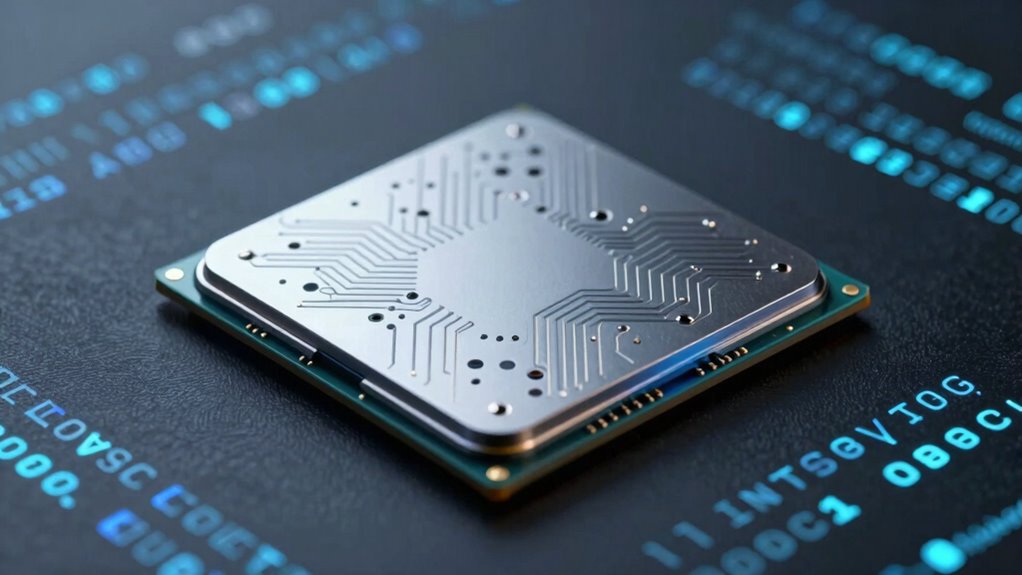

Secure enclaves and trusted hardware rely on dedicated chips like TPMs, Intel SGX, and ARM TrustZone that create isolated, tamper-proof environments within your device. These chips physically separate sensitive data and code from the rest of the system, preventing unauthorized access even if the software is compromised. They use cryptographic attestation to verify integrity and trustworthiness, ensuring sensitive operations stay secure. Keep exploring to uncover how these technologies work together to protect your digital assets.

Get privacy and security gear delivered free — and shop member deals
- Fast, free delivery on millions of items
- Access to Prime Big Deal Days deals on October 6–7
- Prime Video, Amazon Music and more included
Key Takeaways
- Secure enclaves use dedicated hardware components like Intel SGX or ARM TrustZone to create isolated execution environments.
- Trusted hardware employs chips such as TPMs to store cryptographic keys and enable hardware-based security functions.
- Cryptographic attestation verifies the integrity and authenticity of hardware and code, ensuring trustworthy environments.
- Hardware isolation physically separates sensitive data and processes from the main system to prevent unauthorized access.
- Integration of trusted hardware and cryptographic mechanisms enhances overall system resilience against cyber threats.
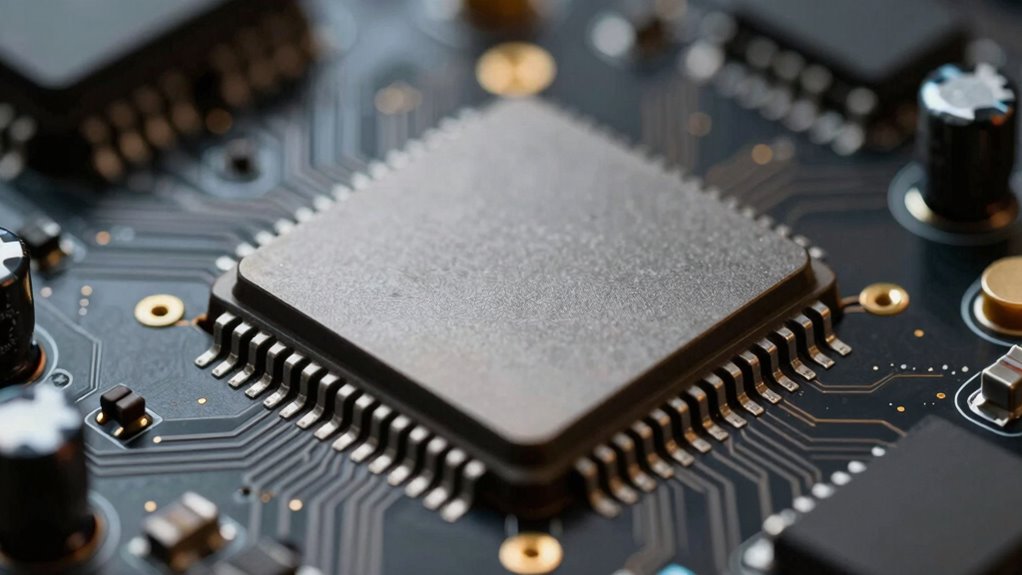
In an era where data breaches and cyber threats are increasingly sophisticated, secure enclaves and trusted hardware provide essential protection for sensitive information. At the core of these technologies is hardware isolation, a process that creates a dedicated, tamper-proof environment within a device’s hardware. When you use a secure enclave, the data and code inside are physically separated from the rest of the system, preventing unauthorized access—even if the operating system or other software is compromised. Hardware isolation acts as a fortress, ensuring that only authorized processes can interact with the enclave’s contents. This separation is fundamental because it minimizes attack vectors, making it much harder for hackers to infiltrate and manipulate critical data. hardware isolation is a key component because it establishes a secure boundary that protects against various types of cyberattacks. Additionally, the physical separation provided by hardware isolation enhances the overall resilience of the system against physical tampering attempts. As these technologies evolve, they are increasingly integrated into modern computing systems, further strengthening security at the hardware level. The use of specialized chips enables these advanced security features to operate efficiently and reliably.
Hardware isolation creates a secure, tamper-proof environment, safeguarding sensitive data even if the rest of the system is compromised.
Trusted hardware also relies heavily on cryptographic attestation, a mechanism that verifies the integrity and authenticity of the hardware and the code running within it. When you request a cryptographic attestation, the hardware generates a signed report that confirms its state and configuration are trustworthy. This process involves cryptographic keys stored securely within the hardware, which are used to sign and validate the attestation data. As a result, you can confidently establish trust in the hardware’s environment before transmitting sensitive data or executing critical operations. This assurance is vital for compliance, secure remote computation, and establishing trusted communication channels. The ongoing advancements in cryptographic techniques continue to strengthen the reliability and security of these attestations.
The underlying technology that enables these features is embedded in specialized chips, such as Trusted Platform Modules (TPMs) or secure enclaves like Intel SGX or ARM TrustZone. These chips incorporate secure elements designed explicitly for hardware isolation and cryptographic functions. They safeguard cryptographic keys and sensitive operations, making it nearly impossible for attackers to extract secrets or tamper with processes. When you deploy secure enclaves, the hardware performs cryptographic attestation periodically or upon request to ensure ongoing integrity, especially important in dynamic or high-risk environments. These dedicated chips serve as the hardware foundation for modern trusted computing solutions, ensuring that security features are integrated at the physical level. Furthermore, the combination of hardware isolation and cryptographic attestation creates a robust security foundation. It allows you to run sensitive computations securely, even in untrusted environments, because you can verify the hardware’s trustworthiness before proceeding. This layered security approach ensures that your data remains protected from external threats and internal vulnerabilities alike. As cyber threats evolve, the technology behind secure enclaves and trusted hardware continues to advance, offering you a reliable way to safeguard your most valuable digital assets.
As an affiliate, we earn on qualifying purchases.
Frequently Asked Questions
How Do Secure Enclaves Differ From Traditional Hardware Security Modules?
Secure enclaves differ from traditional hardware security modules by using secure enclave architecture that isolates sensitive data within a protected environment. You benefit from hardware isolation techniques that keep secrets safe even if the rest of the system is compromised. Unlike hardware security modules, enclaves run code directly on the main processor, enabling faster, more flexible secure computations while maintaining strong isolation to prevent unauthorized access or tampering.
What Are the Main Vulnerabilities in Trusted Hardware?
You should be aware that main vulnerabilities in trusted hardware include hardware tampering, where attackers physically manipulate components to extract sensitive data or cause malfunctions. Side channel attacks also pose a risk, as they exploit indirect information like power consumption or electromagnetic emissions to compromise security. Both vulnerabilities highlight the importance of robust physical defenses and monitoring to safeguard trusted hardware from malicious exploits.
How Is Data Encrypted Within Secure Enclaves?
Did you know that over 80% of data breaches originate from compromised encryption? Within secure enclaves, data is protected through enclave encryption, which keeps information safe even if the system is compromised. Hardware isolation isolates the enclave from the rest of the system, ensuring that sensitive data remains confidential. When you process data inside an enclave, encryption occurs automatically, safeguarding your information from external threats and unauthorized access.
Can Trusted Hardware Be Compromised Remotely?
Yes, trusted hardware can be compromised remotely through various attack vectors, such as exploiting software vulnerabilities or sophisticated remote exploits. Additionally, supply chain risks pose threats if hardware components are tampered with before deployment. You should stay vigilant by keeping firmware updated, monitoring for unusual activity, and sourcing hardware from trusted vendors to reduce the chances of remote attacks and supply chain compromises.
What Industries Primarily Benefit From Secure Enclave Technology?
Ironically, industries that handle the most sensitive data benefit most from secure enclave applications. Healthcare, finance, and government sectors rely heavily on industry-specific implementations to protect patient records, financial transactions, and classified information. These secure enclaves create a fortress within hardware, ensuring data remains confidential even if external threats breach other systems. So, while these industries are targeted, secure enclaves give them an essential edge in safeguarding their most critical assets.
As an affiliate, we earn on qualifying purchases.
Conclusion
As you explore secure enclaves and trusted hardware, remember they’re the guardians standing watch over your data—silent warriors shielding your digital world. Their intricate technology acts like a fortress, invisible yet formidable, defending against relentless threats. By understanding their power, you grasp how essential they are in safeguarding your privacy. In this digital age, they’re not just tools—they’re the unsung heroes, quietly ensuring your security, so you can focus on what truly matters.
As an affiliate, we earn on qualifying purchases.
As an affiliate, we earn on qualifying purchases.
Fall Picks
fall essentials
As an affiliate, we earn on qualifying purchases.