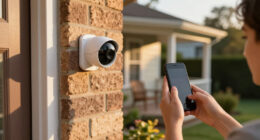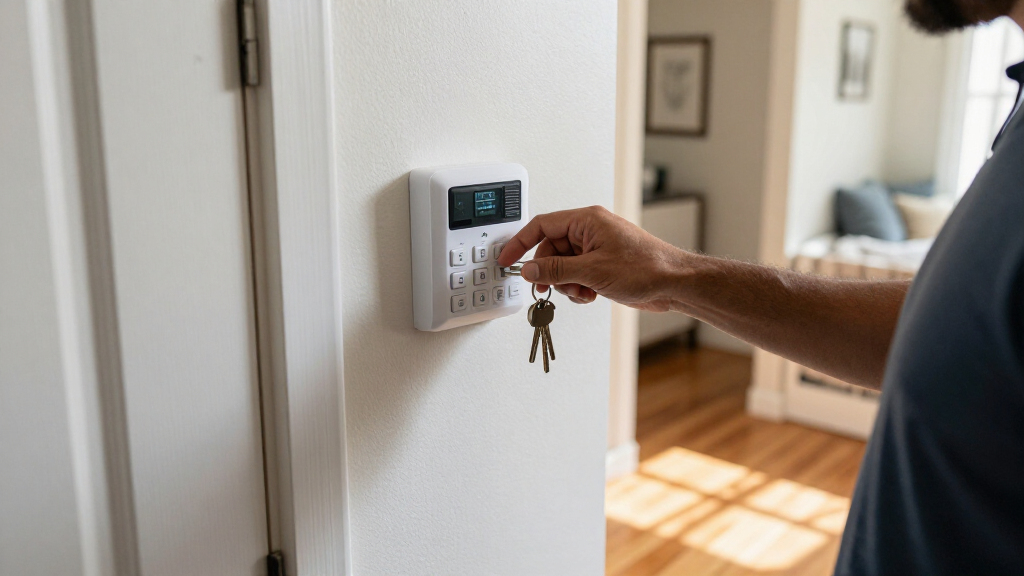

Home security alarm systems range from compact kits for apartments to larger packages with cameras, touchscreens, and cellular connections. I rank the SimpliSafe Gen 3 11-Piece System as the best overall for its balanced kit and indoor camera, while the Ring Alarm 14-Piece System suits homes that need more sensors and the eufy Security 5-Piece Kit is a simpler fit for smaller spaces. The main tradeoffs are kit size, app and hub requirements, cellular backup, and whether you want professional monitoring or self-monitoring. A larger box does not automatically mean better coverage: sensor placement and compatibility matter just as much. Read on for the full breakdown and advice on matching a system to your home.

Get privacy and security gear delivered free with Prime
- Fast, free delivery on millions of items
- Prime Video, Amazon Music and more included
- Member-only deals all year
Key Takeaways
- The SimpliSafe Gen 3 11-Piece kit is the strongest all-around starting point in this lineup because it pairs a substantial sensor kit with an indoor camera, rather than relying on kit size alone.
- Ring’s 14-piece kit is the more coverage-focused Ring option; the 8-piece and 5-piece kits make more sense when the home has fewer entry points or the buyer wants to build gradually.
- eufy’s 5-piece kit favors a smaller, simpler setup, while the 21- and 24-piece generic kits offer more included components but call for closer checks on app support, connectivity, and expansion.
- Wi-Fi and 4G models address a different backup need than Wi-Fi-only systems, but cellular capability should be checked for service requirements and compatibility before purchase.
- Several DIY kits advertise app alerts or no monthly fee; buyers should distinguish basic notifications from professional monitoring, cellular backup, and any paid app or service features.
| Wireless Home Security Alarm System with 4.3-Inch Touchscreen, Wi-Fi and 4G, 24-Piece Kit |  | Best for a Large Sensor Kit | Kit size: 24 pieces | Screen: 4.3-inch color touchscreen | Connectivity: 2.4 GHz Wi-Fi and 2G/4G; no 5G | VIEW LATEST PRICE | See Our Full Breakdown |
| eufy Security 5-Piece Home Alarm Kit |  | Best for Simple, Fee-Free Setup | Included components: HomeBase, keypad, motion sensor, and two entry sensors | Kit size: 5 pieces | Installation: DIY, with included mounts for sensors and keypad | VIEW LATEST PRICE | See Our Full Breakdown |
| SimpliSafe Gen 3 11-Piece Wireless Home Security System with Indoor HD Camera |  | Best for Camera-Assisted Monitoring | System generation: Gen 3 | Number of pieces: 11 | Camera: Wireless indoor HD camera with two-way audio | VIEW LATEST PRICE | See Our Full Breakdown |
| Ring Alarm 8-Piece Home Security Kit |  | Best for 1–2 Bedroom Homes | Kit contents: Base station, keypad, four contact sensors, motion detector, and range extender | Kit size: 8 pieces | Recommended home size: 1–2 bedrooms | VIEW LATEST PRICE | See Our Full Breakdown |
| 21-Piece Wi-Fi Home Alarm System with Alexa Compatibility |  | Best for Fee-Free Smart-Home Control | Included pieces: 21 | Wi-Fi: 2.4 GHz | Compatible services: Amazon Alexa, Smart Life, and Tuya | VIEW LATEST PRICE | See Our Full Breakdown |
| Ring Alarm 14-Piece Wireless Home Security System |  | Best for Multi-Room Coverage | Included components: Base station, 2 keypads, 8 contact sensors, 2 motion detectors, range extender | Connectivity: Wireless | App control: Ring app | VIEW LATEST PRICE | See Our Full Breakdown |
| SimpliSafe 8-Piece Wireless Home Security System |  | Best for No-Drill Setup | System type: Wireless home security system | Included components: Base station, keypad, entry sensors, motion sensors, panic button | Motion sensor range: 35 feet | VIEW LATEST PRICE | See Our Full Breakdown |
| DIY WiFi Home Alarm System with App Alerts and No Monthly Fee |  | Best for No-Subscription Door Coverage | Included components: Base station, keypad, motion sensor, 10 door sensors, 2 remote controls | Siren volume: 120 dB | WiFi compatibility: 2.4 GHz only; does not support 5 GHz | VIEW LATEST PRICE | See Our Full Breakdown |
| Ring Alarm 5-Piece Wireless Security System |  | Best Compact Ring Starter Kit | Included components: Base station, keypad, contact sensor, motion detector, range extender | Connectivity: Wireless | App control: Ring app | VIEW LATEST PRICE | See Our Full Breakdown |
| Tolviviov 8-Piece WiFi Home Alarm System |  | Best for Voice-Controlled DIY Setup | Kit contents: Alarm station, 5 door and window sensors, 2 remote controls | WiFi: 2.4 GHz only; does not support 5 GHz | Expansion capacity: Up to 20 sensors and 5 remote controls/keypads | VIEW LATEST PRICE | See Our Full Breakdown |
| DIY WiFi Home Alarm System with App Alerts, 8-Piece Kit |  | Best for Loud Local Alerts | Included components: Wi-Fi base station, 5 door sensors, 2 remote controls | Siren volume: 120 dB | Wi-Fi compatibility: 2.4 GHz only; does not support 5 GHz | VIEW LATEST PRICE | See Our Full Breakdown |
| PGST 24-Piece Wi-Fi and 4G Home Alarm System |  | Best for Connectivity Backup and Expansion | Included accessories: 24 pieces | Connectivity: 2.4 GHz Wi-Fi and GSM/4G | Compatible apps: Smart Life and Tuya | VIEW LATEST PRICE | See Our Full Breakdown |
| 15-Piece Wi-Fi Home Security System with DIY Wireless Alarm |  | Best for Door Coverage | Included components: Wi-Fi base station, keypad, motion sensor, 10 door sensors, 2 remote controls | Siren volume: 120 dB | Wi-Fi compatibility: 2.4 GHz only; does not support 5 GHz | VIEW LATEST PRICE | See Our Full Breakdown |
| SimpliSafe 9-Piece Wireless Home Security System with HD Indoor Camera |  | Best for Camera and Monitoring Options | Included components: Base station, keypad, 4 entry sensors, 2 motion sensors, indoor camera | Camera resolution: 1080p HD | Camera field of view: 120° | VIEW LATEST PRICE | See Our Full Breakdown |
| home security alarm system | Included components | Installation | Smart home compatibility |
|---|---|---|---|
| Wireless Home Security Alarm S | — | Self-adhesive | — |
| eufy Security 5-Piece Home Ala | HomeBase, keypad, motion sensor, and two entry sensors | DIY, with included mounts for sensors and keypad | — |
| SimpliSafe Gen 3 11-Piece Wire | — | — | Amazon Alexa and Google Assistant |
| Ring Alarm 8-Piece Home Securi | — | — | — |
| 21-Piece Wi-Fi Home Alarm Syst | — | — | — |
| Ring Alarm 14-Piece Wireless H | Base station, 2 keypads, 8 contact sensors, 2 motion detectors, range extender | — | Alexa |
| SimpliSafe 8-Piece Wireless Ho | Base station, keypad, entry sensors, motion sensors, panic button | No wiring or drilling required | Amazon Alexa and Google Assistant |
| DIY WiFi Home Alarm System wit | Base station, keypad, motion sensor, 10 door sensors, 2 remote controls | DIY with adhesive pads or screws | — |
| Ring Alarm 5-Piece Wireless Se | Base station, keypad, contact sensor, motion detector, range extender | — | Alexa |
| Tolviviov 8-Piece WiFi Home Al | — | — | Amazon Alexa and Google Assistant |
| DIY WiFi Home Alarm System wit | Wi-Fi base station, 5 door sensors, 2 remote controls | DIY; adhesive pads or screws | — |
| PGST 24-Piece Wi-Fi and 4G Hom | — | DIY | — |
| 15-Piece Wi-Fi Home Security S | Wi-Fi base station, keypad, motion sensor, 10 door sensors, 2 remote controls | DIY | Alexa |
| SimpliSafe 9-Piece Wireless Ho | Base station, keypad, 4 entry sensors, 2 motion sensors, indoor camera | — | Amazon Alexa and Google Assistant |
More Details on Our Top Picks
Wireless Home Security Alarm System with 4.3-Inch Touchscreen, Wi-Fi and 4G, 24-Piece Kit
This kit’s main advantage is its 24 pre-paired accessories, giving buyers more sensor coverage in one package than the eufy Security 5-Piece Home Alarm Kit or the Ring Alarm 8-Piece Home Security Kit. The 4.3-inch touchscreen also provides a local control option, while Smart Life/Tuya app alerts let you check activity remotely. Wi-Fi and 2G/4G support offer another route for connectivity, and a GSM card can enable SMS and voice-call alerts. That flexibility comes with setup and compatibility caveats: the system does not support 5G, and those cellular alerts require a separate GSM card. I’d choose it for a property where broad sensor coverage and a prominent control screen matter more than a familiar security brand or a clearly specified monitoring service.
Pros:- Includes 24 factory-paired accessories for broad coverage from one kit
- 4.3-inch color touchscreen offers local system control
- Supports 2.4 GHz Wi-Fi and 2G/4G connectivity
- Smart Life/Tuya app provides push alerts, and an SOS button can trigger the siren
Cons:- Does not support 5G
- SMS and voice-call alerts require a GSM card
- Monitoring arrangements are not specified in the product details
Best for: Owners of larger homes or small businesses who want many included sensors, touchscreen controls, and app alerts in a self-installed system.
Not ideal for: Buyers who need 5G support, want SMS or voice alerts without sourcing a GSM card, or prefer a kit with clearly specified professional monitoring.
- Kit size:24 pieces
- Screen:4.3-inch color touchscreen
- Connectivity:2.4 GHz Wi-Fi and 2G/4G; no 5G
- App:Smart Life/Tuya
- Sensor support:Door/window and motion sensors
- Controls:App and touchscreen
- Installation:Self-adhesive
- Warranty support:One-year after-sales support for door and motion sensors
Our verdict“Choose this kit if you want a large set of pre-paired sensors and touchscreen control, and can work around its GSM-card requirement for call and text alerts.”
eufy Security 5-Piece Home Alarm Kit
The eufy kit keeps home alarm coverage straightforward: its HomeBase, keypad, motion sensor, and two entry sensors cover a basic set of doors and rooms, while included mounts support DIY installation. App notifications report motion or a breach, and no monthly fees are required. Compared with the 24-piece touchscreen system in this roundup, eufy offers far fewer included components, so it is a better fit for a smaller, simpler layout than a property needing many sensors. It also has less feature detail here than the SimpliSafe Gen 3 11-Piece Wireless Home Security System, which includes a camera and lists optional professional monitoring. I’d pick eufy for a buyer who values a modest, easy-to-place kit and fee-free operation, but not for someone seeking camera coverage or a stated monitoring option.
Pros:- Includes a HomeBase, keypad, motion sensor, and two entry sensors
- DIY installation uses included mounts
- App notifications report motion and breaches
- No monthly fees are required
Cons:- Five included components provide less coverage than the 11-piece SimpliSafe or 24-piece touchscreen kit
- No camera is included
- The supplied product details do not specify professional monitoring or cellular backup
Best for: Apartment residents or owners of compact homes who want a basic DIY alarm kit with app alerts and no monthly fee.
Not ideal for: Buyers who need many entry sensors, an included camera, or a specified professional monitoring option.
- Included components:HomeBase, keypad, motion sensor, and two entry sensors
- Kit size:5 pieces
- Installation:DIY, with included mounts for sensors and keypad
- Alerts:Notifications through the eufy Security app
- Monthly fees:None required
- Entry coverage:Two door or window entry sensors
Our verdict“Pick eufy for a small home that needs simple app-alert coverage without monthly fees, rather than a larger kit with a camera or more sensors.”
SimpliSafe Gen 3 11-Piece Wireless Home Security System with Indoor HD Camera
Among these five kits, SimpliSafe is the clearest choice for buyers who want an indoor camera alongside alarm sensors. Its 11-piece wireless setup includes a camera with two-way audio, and optional 24/7 professional monitoring can use that audio for live guard response during an alarm. The 35-foot motion range and 90-degree field of view help cover a room without wiring or drilling, while Alexa and Google Assistant add voice-control options. Compared with the eufy Security 5-Piece Home Alarm Kit, SimpliSafe offers a camera and a stated monitoring path; compared with the Ring Alarm 8-Piece Home Security Kit, it specifies camera-based guard response. The tradeoff is that this response depends on optional monitoring, so buyers who want a fee-free, self-managed system may prefer eufy or the 21-piece Wi-Fi kit.
Pros:- Includes a wireless indoor HD camera with two-way audio
- Optional 24/7 monitoring offers live guard response through the camera during alarms
- Wireless setup requires no wiring or drilling
- Motion sensor covers up to 35 feet with a 90-degree field of view
Cons:- Professional monitoring is optional rather than included
- Live guard response through the camera is tied to the monitoring service
- Pet compatibility is specified only for pets under 60 pounds
Best for: Households that want wireless alarm sensors, an indoor camera, and the option to add professional monitoring without a contract.
Not ideal for: Buyers who want camera-based guard response without a monitoring service, or who prefer a system with no optional service dependency.
- System generation:Gen 3
- Number of pieces:11
- Camera:Wireless indoor HD camera with two-way audio
- Motion sensor:35-foot range; 90-degree field of view
- Pet compatibility:Pets under 60 pounds
- Smart home compatibility:Amazon Alexa and Google Assistant
- Setup:Wireless; no wiring or drilling required
- Monitoring and contract:Optional 24/7 professional monitoring; no contract
Our verdict“Choose SimpliSafe if camera-assisted response and an optional monitoring path matter more than keeping the system entirely self-managed.”
Ring Alarm 8-Piece Home Security Kit
Ring’s eight-piece package is sized for 1–2 bedroom homes and balances four contact sensors with a motion detector, keypad, base station, and range extender. That gives it a more defined small-home fit than the 24-piece touchscreen kit, which is aimed at buyers seeking broader sensor coverage. The Ring app sends mobile alerts when the system is triggered, and optional Ring Protect features can add remote arming, backup connectivity, and professional monitoring. Alexa voice control is also available with a subscription. These extras are not all part of the basic kit, though, and additional sensors are sold separately. Compared with the SimpliSafe Gen 3 11-Piece, Ring does not list an included camera; SimpliSafe is the stronger match for camera-assisted response, while Ring makes more sense for a compact layout and existing Ring or Alexa use.
Pros:- Kit is recommended for one- or two-bedroom homes
- Includes four contact sensors plus a motion detector
- Ring app provides mobile alerts when the system is triggered
- Optional professional monitoring and Alexa voice control are available
Cons:- Remote arming, backup connectivity, monitoring, and Alexa control depend on Ring Protect features or subscription
- Additional sensors and accessories are sold separately
- No camera is included, unlike the SimpliSafe Gen 3 11-Piece system
Best for: People in a one- or two-bedroom home who want a compact sensor layout and already use, or plan to use, Ring app features.
Not ideal for: Buyers who need an included camera, broad coverage across a larger property, or subscription-free access to the listed Ring Protect features.
- Kit contents:Base station, keypad, four contact sensors, motion detector, and range extender
- Kit size:8 pieces
- Recommended home size:1–2 bedrooms
- Mobile notifications:Yes, through the Ring app
- Professional monitoring:Optional with a compatible Ring Protect Plan
- Alexa voice control:Available with a Ring Protect subscription
Our verdict“Choose Ring for a compact one- or two-bedroom setup if you are comfortable adding a subscription for some remote, monitoring, and voice-control features.”
21-Piece Wi-Fi Home Alarm System with Alexa Compatibility
This 21-piece system suits buyers who want a large DIY alarm kit without a SIM card or monthly fees. It sends app push notifications over 2.4 GHz Wi-Fi and works with Alexa and Smart Life/Tuya, while its 120 dB siren provides an audible alert at home. A rechargeable battery offers up to 48 hours of backup, adding a buffer during a power outage. Compared with the Ring Alarm 8-Piece Home Security Kit, it includes substantially more pieces and does not require a subscription for the listed Alexa compatibility; unlike the SimpliSafe Gen 3 11-Piece, it does not list a camera or professional monitoring. The tradeoff is reliance on 2.4 GHz Wi-Fi for connectivity, and the battery backup is time-limited. I’d favor it for self-managed coverage, not for buyers who need cellular alerts or monitored response.
Pros:- 21 pieces provide more included components than the Ring 8-Piece kit
- No SIM card or monthly fees are required
- Works with Alexa and Smart Life/Tuya
- 120 dB siren and battery backup of up to 48 hours
Cons:- Requires 2.4 GHz Wi-Fi
- Battery backup lasts up to 48 hours, rather than providing indefinite outage coverage
- No camera or professional monitoring is listed
Best for: DIY-focused households that want many included sensors, app and Alexa control, and no SIM card or monthly service fee.
Not ideal for: Buyers without reliable 2.4 GHz Wi-Fi, those who need cellular backup or professional monitoring, or households seeking an included camera.
- Included pieces:21
- Wi-Fi:2.4 GHz
- Compatible services:Amazon Alexa, Smart Life, and Tuya
- Sensor types:Magnetic contact, passive infrared (PIR), and RFID
- Alert types:Audible alarm and push notification
- Siren volume:120 dB
- Battery backup:Up to 48 hours
- Installation and power:DIY; AC adapter with rechargeable battery backup; USB Type-C connector
Our verdict“Choose this system for broad, fee-free DIY coverage and smart-home control, but look elsewhere if you need cellular connectivity or monitored response.”
Ring Alarm 14-Piece Wireless Home Security System
For a 2–4 bedroom home with several exterior doors and windows, this Ring kit offers the broadest sensor coverage in this group: eight contact sensors, two motion detectors, and two keypads are included. That gives households more ways to arm and monitor the system than the Ring Alarm 5-Piece, which is a leaner starting point for a smaller space. The range extender can help keep wireless components connected across a larger layout, while the Ring app handles notifications and device monitoring. The tradeoff is that several features buyers may expect from a full alarm service—including remote arming, backup connectivity, and professional monitoring—depend on a compatible Ring Protect subscription. I’d choose this over the 5-Piece for broader coverage, but not if avoiding subscriptions is the priority.
Pros:- Eight contact sensors cover multiple doors and windows.
- Two keypads provide more than one convenient arming location.
- Two motion detectors and a range extender add coverage options.
- Expandable with additional compatible sensors and accessories.
Cons:- Remote arming, backup connectivity, professional monitoring, and Alexa voice control require a compatible subscription.
- Additional sensors and accessories are sold separately.
Best for: Households in 2–4 bedroom homes that want multiple entry points covered and prefer Ring app monitoring.
Not ideal for: Buyers seeking professional monitoring, remote arming, or backup connectivity without a compatible subscription, or people securing a small space with few entry points.
- Included components:Base station, 2 keypads, 8 contact sensors, 2 motion detectors, range extender
- Connectivity:Wireless
- App control:Ring app
- Smart home compatibility:Alexa
- Recommended home size:2–4 bedrooms
- Professional monitoring:Available with a compatible Ring Protect Plan
- Expandability:Additional sensors and accessories sold separately
Our verdict“Choose this Ring kit when your 2–4 bedroom home needs substantially more included sensor coverage than the Ring Alarm 5-Piece provides.”
SimpliSafe 8-Piece Wireless Home Security System
This SimpliSafe kit suits renters and first-time buyers who want a straightforward alarm setup without wiring or drilling. Its entry and motion sensors cover common intrusion points, while the included panic button gives occupants a direct way to signal an emergency. Compared with the Tolviviov 8-Piece, SimpliSafe’s standout difference is its optional 24/7 professional monitoring without a long-term contract; Tolviviov instead emphasizes app, remote, and voice control with no subscription or contract. Alexa and Google Assistant compatibility also gives SimpliSafe broader voice-assistant support than the Ring kits listed here. The limits are meaningful: monitoring is optional, US-only, and tied to a service, while the kit’s motion sensing is specified for pets under 60 pounds. Buyers wanting lots of included door sensors should compare it with the DIY WiFi kit that includes ten.
Pros:- Installs without wiring or drilling.
- Optional 24/7 professional monitoring is available without a long-term contract.
- Works with Amazon Alexa and Google Assistant.
- Motion sensors are described as suitable for pets under 60 pounds.
Cons:- Professional monitoring requires an optional subscription.
- System and monitoring services are sold and supported only in the US.
Best for: Renters and first-time alarm buyers in the US who want tool-free setup, voice-assistant support, and the option of contract-free professional monitoring.
Not ideal for: Households outside the US, homes with pets over 60 pounds in sensor areas, or buyers who want ten door sensors included.
- System type:Wireless home security system
- Included components:Base station, keypad, entry sensors, motion sensors, panic button
- Motion sensor range:35 feet
- Motion sensor field of view:90 degrees
- Pet compatibility:Pets under 60 pounds
- Smart home compatibility:Amazon Alexa and Google Assistant
- Installation:No wiring or drilling required
- Monitoring:Optional 24/7 professional monitoring; US only
Our verdict“Pick SimpliSafe for a no-drill starter system with optional contract-free monitoring, provided you are in the US and its included sensor count fits your home.”
DIY WiFi Home Alarm System with App Alerts and No Monthly Fee
With ten door sensors in the box, this DIY system is a strong fit for buyers who want broad entry-point coverage without a monthly subscription for phone alerts. Its 120 dB indoor siren adds a local warning, and the backup battery is rated for up to eight hours during a power outage. Compared with the Tolviviov 8-Piece, it includes twice as many door sensors and specifies a louder siren, but it does not list Alexa or Google Assistant compatibility. Expansion is possible, with capacity for up to 20 additional sensors, though the system relies on 2.4 GHz WiFi and won’t connect to a 5 GHz network. I’d favor it for sensor quantity and subscription-free alerts, but buyers wanting voice control or professional monitoring should look elsewhere in this lineup.
Pros:- Includes ten door sensors for broad entry-point coverage.
- Phone alerts are offered without a monthly subscription fee.
- Backup battery provides up to eight hours of operation during power outages.
- Supports expansion with up to 20 additional sensors.
Cons:- Works with 2.4 GHz WiFi only and does not support 5 GHz.
- The listed kit does not specify professional monitoring or smart-assistant compatibility.
Best for: DIY homeowners who want to cover many doors and windows, receive phone alerts without a monthly subscription, and have a 2.4 GHz WiFi network.
Not ideal for: Buyers whose router provides only 5 GHz WiFi, or anyone seeking listed voice-assistant support or professional monitoring.
- Included components:Base station, keypad, motion sensor, 10 door sensors, 2 remote controls
- Siren volume:120 dB
- WiFi compatibility:2.4 GHz only; does not support 5 GHz
- Backup battery:Up to 8 hours
- Maximum additional sensors:20
- Maximum remote controls/keypads:5
- Installation:DIY with adhesive pads or screws
Our verdict“Choose this kit for subscription-free phone alerts and many included door sensors, as long as your home uses 2.4 GHz WiFi.”
Ring Alarm 5-Piece Wireless Security System
This five-piece Ring system keeps the starting setup lean: a base station, keypad, contact sensor, motion detector, and range extender cover the core alarm functions without filling a home with extra sensors. It makes more sense for a small apartment or a few key entry points than the Ring Alarm 14-Piece, which includes eight contact sensors, two motion detectors, and two keypads for broader coverage. Both rely on the Ring app for notifications and monitoring, and both can expand with separately purchased accessories. The main tradeoff is that the compact kit may leave multiple doors and windows unprotected unless you add sensors. Alexa voice control and professional monitoring also require a compatible Ring Protect subscription, so this is less appealing to buyers seeking a self-contained service without ongoing plan requirements.
Pros:- Includes the core alarm components: base station, keypad, contact sensor, and motion detector.
- Range extender is included to support wireless coverage.
- Ring app provides mobile notifications and device monitoring.
- Can expand with additional sensors and accessories.
Cons:- Only one contact sensor and one motion detector are included.
- Professional monitoring and Alexa voice control require a compatible subscription.
- Additional sensors and accessories are sold separately.
Best for: Apartment dwellers and small-home owners who want a compact Ring alarm foundation and plan to cover only a few entry points.
Not ideal for: Families with many doors and windows to protect, or buyers who want professional monitoring and Alexa control without a compatible subscription.
- Included components:Base station, keypad, contact sensor, motion detector, range extender
- Connectivity:Wireless
- App control:Ring app
- Smart home compatibility:Alexa
- Expandability:Additional sensors and accessories sold separately
- Professional monitoring:Available with a compatible Ring Protect plan
Our verdict“Choose the Ring Alarm 5-Piece for a small space and a simple Ring starting point; choose the 14-Piece if you need wider included coverage.”
Tolviviov 8-Piece WiFi Home Alarm System
Tolviviov stands out for buyers who want several control options without a monitoring contract: the alarm can be managed by app, remote, or voice, and it supports both Alexa and Google Assistant. Five door and window sensors are included, with room to expand the system to as many as 20 sensors. That is less out-of-box entry coverage than the DIY WiFi alarm’s ten door sensors, but Tolviviov offers listed voice-assistant control that the other kit does not. Its eight-hour backup battery can keep the station running through a short outage; during normal operation, though, the station must stay connected to its AC adapter. The system also works with 2.4 GHz WiFi only. I’d choose it for flexible everyday control, not for a home that needs extensive sensor coverage right away or for buyers who want a fully independent power source.
Pros:- Supports control through an app, remote, or voice commands.
- Compatible with Amazon Alexa and Google Assistant.
- Expandable to up to 20 sensors and 5 remotes or keypads.
- Backup battery is rated for up to eight hours.
Cons:- Works with 2.4 GHz WiFi only.
- Alarm station must remain connected to its AC adapter during normal use.
- Includes five door and window sensors, fewer than the DIY WiFi kit’s ten.
Best for: DIY households that want app, remote, and Alexa or Google Assistant control, plus the option to add sensors over time.
Not ideal for: Homes that need many protected doors and windows from day one, users with only 5 GHz WiFi, or buyers who can’t keep the alarm station connected to AC power.
- Kit contents:Alarm station, 5 door and window sensors, 2 remote controls
- WiFi:2.4 GHz only; does not support 5 GHz
- Expansion capacity:Up to 20 sensors and 5 remote controls/keypads
- Backup battery life:Up to 8 hours
- Smart home compatibility:Amazon Alexa and Google Assistant
- Control methods:App, remote, voice
- Power source:Battery powered; alarm station requires AC adapter
- Maximum range:100 meters
Our verdict“Pick Tolviviov if voice control and expandable DIY operation matter more than having a large number of sensors included at the start.”
DIY WiFi Home Alarm System with App Alerts, 8-Piece Kit
I’d pick this kit for a household that wants a loud deterrent and app alerts without adding a monthly service fee. Its 120 dB siren is louder than the SimpliSafe 9-Piece system’s 95 dB base-station siren, while five included door sensors provide a practical starting point for covering multiple entrances. Two remote controls offer a simple way to arm or disarm the alarm without opening the app.
The tradeoff is that this is a more self-reliant setup: it has no listed cellular backup, and the battery lasts up to eight hours, shorter than the SimpliSafe system’s stated 24-hour backup. It also connects only to 2.4 GHz Wi-Fi. I’d favor it over the 15-Piece Wi-Fi Home Security System when a keypad and motion sensor matter less than straightforward entry coverage and remote controls.
Pros:- 120 dB siren provides a strong local alert.
- App alerts do not require a monthly fee.
- Five door sensors and two remote controls are included.
- Supports expansion to 20 sensors and five remotes or keypads.
Cons:- Works only with 2.4 GHz Wi-Fi.
- Backup battery runtime is limited to up to eight hours.
- No cellular backup is listed for a Wi-Fi outage.
Best for: Households seeking a loud, DIY entry alarm with app alerts, several door sensors, and no monthly fee.
Not ideal for: Buyers who need cellular connectivity if Wi-Fi fails, a keypad or motion sensor in the box, or backup power beyond eight hours.
- Included components:Wi-Fi base station, 5 door sensors, 2 remote controls
- Siren volume:120 dB
- Wi-Fi compatibility:2.4 GHz only; does not support 5 GHz
- Backup battery runtime:Up to 8 hours
- Expansion capacity:Up to 20 sensors and 5 remote controls or keypads
- Installation:DIY; adhesive pads or screws
- App alerts:Yes; no monthly fee
Our verdict“Choose this kit for loud, fee-free DIY entry monitoring, but look elsewhere if cellular backup or longer battery runtime is a priority.”
PGST 24-Piece Wi-Fi and 4G Home Alarm System
The PGST stands out for households that want a large, adaptable alarm setup and a fallback connection if home internet drops. Alongside 2.4 GHz Wi-Fi, it supports GSM/4G, a meaningful distinction from the Wi-Fi-only DIY kits in this roundup, including the 15-Piece Wi-Fi Home Security System. It also accepts up to 100 wireless accessories, giving buyers more room to add sensors as coverage needs change.
Smart Life and Tuya app support, customizable sensor names, SOS alarms, and DIY installation add flexibility without a required subscription. The tradeoff is that the listed details don’t specify individual components in the 24-piece bundle, so I’d check the included sensor mix before buying. Its Wi-Fi connection is 2.4 GHz only, and buyers who prefer a tightly specified starter kit may find SimpliSafe’s itemized sensor-and-camera bundle easier to evaluate.
Pros:- GSM/4G connectivity provides a backup path when Wi-Fi fails.
- Supports up to 100 wireless accessories.
- Works with Smart Life and Tuya apps for control and alerts.
- No subscription or professional installation is required.
Cons:- Wi-Fi compatibility is limited to 2.4 GHz.
- The supplied product details do not itemize the 24 included accessories.
- DIY setup and ongoing system management fall to the owner.
Best for: DIY households that want GSM/4G connectivity backup and room to expand a multi-sensor alarm system.
Not ideal for: Buyers who need a clearly itemized sensor mix before purchase, or whose router setup requires 5 GHz Wi-Fi.
- Included accessories:24 pieces
- Connectivity:2.4 GHz Wi-Fi and GSM/4G
- Compatible apps:Smart Life and Tuya
- Wireless storage locations:100
- Subscription required:No
- Installation:DIY
- Additional features:Customizable sensor names and SOS alarms
Our verdict“Pick the PGST for cellular backup and broad expansion, provided you confirm the included accessory mix suits your home.”
15-Piece Wi-Fi Home Security System with DIY Wireless Alarm
Among the self-installed kits here, this one makes the most sense when the priority is covering many doors: it includes 10 door sensors, plus a motion sensor, keypad, and two remotes. That is a more entry-focused package than the DIY WiFi Home Alarm System with App Alerts, which includes five door sensors and two remotes but no listed keypad or motion sensor. The 120 dB siren, app alerts, and Alexa compatibility round out a feature set that doesn’t require monthly fees.
The compromise is setup responsibility. You’ll need to install and configure the system yourself, and it relies on 2.4 GHz Wi-Fi rather than offering the PGST kit’s GSM/4G backup. Its expansion ceiling of 20 sensors also gives less headroom than PGST’s 100-accessory capacity. I’d choose this over the smaller DIY kit for a home with many exterior doors, not for buyers seeking cellular resilience.
Pros:- Ten door sensors cover more entry points than the five-sensor DIY WiFi 8-Piece kit.
- Includes a keypad, motion sensor, and two remote controls.
- 120 dB siren and app alerts support local and phone-based notifications.
- Alexa compatibility and no monthly fees.
Cons:- Works only with 2.4 GHz Wi-Fi.
- DIY installation and setup are the buyer’s responsibility.
- Expansion is limited to 20 sensors and five remotes or keypads.
Best for: DIY households with many entry points that want a keypad, motion sensor, and app-based control in one kit.
Not ideal for: Buyers who want cellular backup, professional setup, or expansion beyond 20 sensors.
- Included components:Wi-Fi base station, keypad, motion sensor, 10 door sensors, 2 remote controls
- Siren volume:120 dB
- Wi-Fi compatibility:2.4 GHz only; does not support 5 GHz
- Expansion capacity:Up to 20 sensors and 5 remote controls or keypads
- Smart home compatibility:Alexa
- Subscription:No monthly fees
- Installation:DIY
Our verdict“Choose this kit when broad door coverage and a keypad matter more than cellular backup or a larger expansion ceiling.”
SimpliSafe 9-Piece Wireless Home Security System with HD Indoor Camera
I’d choose this SimpliSafe kit when a home alarm should also provide indoor video and a path to professional monitoring. Its 1080p camera with a 120° field of view adds visual context that the sensor-only DIY Wi-Fi kits, such as the 15-Piece Wi-Fi Home Security System, don’t supply. The bundle also includes four entry sensors and two motion sensors, while Alexa and Google Assistant support make control more flexible.
Compared with the Wi-Fi-only systems in this batch, SimpliSafe’s optional 24/7 monitoring is the clearest distinction, and there’s no long-term contract. That flexibility doesn’t mean monitoring is included; it may add cost. The 95 dB base-station siren is quieter than the 120 dB sirens in the two DIY kits, and the product is supported only in the United States. I’d favor it for camera and service options, not for the loudest local alarm.
Pros:- Includes a 1080p indoor camera with a 120° field of view.
- Four entry sensors and two motion sensors provide mixed coverage.
- Optional 24/7 professional monitoring is available without a long-term contract.
- Works with Amazon Alexa and Google Assistant.
Cons:- Professional monitoring is optional and may involve additional cost.
- The 95 dB base-station siren is quieter than the 120 dB DIY kits in this batch.
- Products and monitoring are supported only in the United States.
Best for: U.S. households that want an indoor camera, voice-assistant support, and the option of professional monitoring without a long-term contract.
Not ideal for: Buyers who want a louder siren, a no-fee monitoring service, or system support outside the United States.
- Included components:Base station, keypad, 4 entry sensors, 2 motion sensors, indoor camera
- Camera resolution:1080p HD
- Camera field of view:120°
- Motion sensor range:35 feet
- Motion sensor field of view:90°
- Base station siren:95 dB
- Base station battery backup:Up to 24 hours
- Smart home compatibility:Amazon Alexa and Google Assistant
- Monitoring and contract:Optional 24/7 professional monitoring; no long-term contract
Our verdict“Choose SimpliSafe for an alarm kit with indoor video and optional professional monitoring, but skip it if siren volume or included monitoring is your priority.”
How We Picked
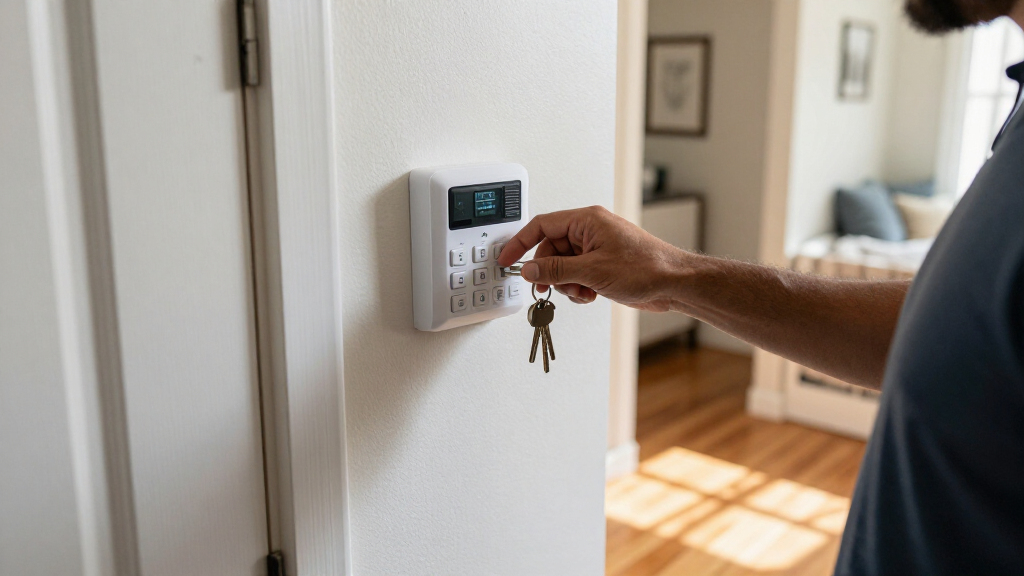
I compared the 14 systems by how well their listed kit size and components could serve real household layouts, then weighed setup demands, connectivity, app-based control, camera inclusion, and the stated monitoring approach. For an alarm system, the practical question is not simply how many pieces come in the box: it is whether the sensors cover likely entry points and whether alerts still reach the household when the internet or power is interrupted.
The ranking favors balanced, clearly differentiated options over kits that lead with a high piece count alone. SimpliSafe’s 11-piece system ranks first for its blend of sensors and camera; Ring’s larger kit ranks well for buyers prioritizing broader coverage, and smaller kits earn consideration for straightforward, limited needs. Generic Wi-Fi and Wi-Fi-plus-4G systems remain useful alternatives, but buyers should verify support, compatibility, monitoring terms, and backup behavior before treating a large kit as a complete security plan.
| home security alarm system | Installation | Smart home compatibility |
|---|---|---|
| Wireless Home Security Alarm S | Self-adhesive | — |
| eufy Security 5-Piece Home Ala | DIY, with included mounts for sensors and keypad | — |
| SimpliSafe Gen 3 11-Piece Wire | — | Amazon Alexa and Google Assistant |
| Ring Alarm 8-Piece Home Securi | — | — |
| 21-Piece Wi-Fi Home Alarm Syst | — | — |
| Ring Alarm 14-Piece Wireless H | — | Alexa |
| SimpliSafe 8-Piece Wireless Ho | No wiring or drilling required | Amazon Alexa and Google Assistant |
| DIY WiFi Home Alarm System wit | DIY with adhesive pads or screws | — |
| Ring Alarm 5-Piece Wireless Se | — | Alexa |
| Tolviviov 8-Piece WiFi Home Al | — | Amazon Alexa and Google Assistant |
| DIY WiFi Home Alarm System wit | DIY; adhesive pads or screws | — |
| PGST 24-Piece Wi-Fi and 4G Hom | DIY | — |
| 15-Piece Wi-Fi Home Security S | DIY | Alexa |
| SimpliSafe 9-Piece Wireless Ho | — | Amazon Alexa and Google Assistant |
Factors to Consider When Choosing Home Security Alarm Systems
Choosing among these home security alarm systems starts with the home’s layout and the kind of response you expect after an alarm. The following factors can prevent common mismatches that a kit’s headline piece count or connectivity label may not reveal.
Map entry points before choosing kit size
Count the doors and accessible windows you want protected, then note where a motion sensor could cover a shared path without triggering on routine activity. A small kit can work well in a studio or compact flat, but may leave a larger home with unprotected entrances. Conversely, a large kit can include more sensors than you can place effectively. Check the package contents rather than relying on the piece count, which may include a hub, keypad, or other components. Leave room in your plan for a garage, side entrance, or detached structure only if the system supports the needed range. Buyers often get a better fit by planning sensor locations first and comparing kits second.
Know what happens when Wi-Fi or power fails
Wi-Fi-connected alarms can send app alerts through a home network, but an internet outage can interrupt remote notifications or other connected features. A system with 4G capability may offer another communications path, though the buyer should confirm whether cellular service is included, requires a plan, and works with the local carrier. Also check whether the hub has battery backup and how long it can operate without power. These details matter most for homes with unreliable broadband or owners who spend long periods away. Do not assume that a 4G label means every alarm function will keep working during an outage. Confirm the backup behavior in the product documentation before relying on it.
Choose self-monitoring or professional response deliberately
Self-monitoring puts alerts in your hands, which can suit owners who can respond quickly and prefer to manage notifications themselves. Professional monitoring may provide a response service, but the service terms, availability, and ongoing fees vary by provider and plan. A no-monthly-fee claim can refer to basic system use rather than every connected feature or emergency-response option. Read what happens after a sensor is triggered, including whether a contact list, call center, or emergency dispatch is part of the plan. Consider who will receive alerts if your phone is unavailable. The right choice depends on your availability and response expectations, not on the alarm’s sensor count.
Treat cameras as a separate privacy and coverage decision
An indoor camera can help verify an alarm or check a room remotely, but it does not replace door and window sensors. Before choosing a camera-equipped kit, review how video is stored, who can access it, whether recording needs a subscription, and what controls are available when household members are home. A camera may be less useful than extra entry sensors for someone whose main concern is perimeter coverage. Placement also affects privacy, especially in shared or frequently used rooms. Compare camera functions across systems rather than assuming that an included camera provides identical recording or alert features. Buy the camera for a specific purpose, not simply because it appears in the bundle.
Check compatibility and expansion before buying
App compatibility, smart-home links, and add-on support can shape how easy a system is to live with after installation. Confirm that the alarm works with the phone platform and devices you already use, and check whether added sensors must come from the same brand. A system that mentions Alexa compatibility may offer particular voice functions, not necessarily full control of every alarm feature. If you expect to move or expand the system, verify that extra components can be added and that the hub supports the required number of devices. Mixing brands without checking compatibility is a common cause of unnecessary returns. Favor a system with clearly documented expansion options when your needs may change.
Compare setup effort with ongoing upkeep
DIY installation can avoid scheduling an installer, but it still requires careful sensor placement, app setup, and testing each alarm zone. Think about who will replace batteries, manage notifications, and troubleshoot a disconnected device. Wireless installation is convenient, yet wireless sensors still need power and periodic checks. A touchscreen or keypad may make arming easier for some households, while app-only control may suit others better. Ask whether multiple household members can use the system and whether temporary guests can operate it without accessing account settings. A system is only useful when everyone who needs it can arm and disarm it reliably.
Frequently Asked Questions
Do I need a home security alarm system with 4G backup?
4G backup is most useful if your broadband is unreliable or you want the alarm to have another route for communicating during an internet outage. It does not automatically mean cellular service is active or included, so check for plan requirements, carrier support, and which functions use the backup connection. Also ask whether the hub has battery backup; cellular connectivity cannot help if the system has no power. In a home with stable internet and someone nearby to respond, a Wi-Fi system may be enough. Choose based on the outages you need to plan for, not the connectivity label alone.
Is a larger alarm kit always better for a house?
No. A larger kit can supply sensors for more doors and windows, but its usefulness depends on whether those components match your floor plan and can communicate with the hub from their installed locations. A smaller kit may cover a compact home more effectively if it includes the right sensors. Check the exact contents, sensor range, supported add-ons, and any device limit before buying. Map the entry points you want covered and compare that plan with each package. Extra components are worthwhile when they fill a real coverage gap, not just because they raise the piece count.
Can I rely on app alerts instead of paying for monitoring?
App alerts can be a reasonable choice if you or another trusted person can respond promptly and has reliable phone access. They do not provide the same response arrangement as a professional monitoring service, and notifications may depend on internet, cellular, and account settings. Check whether the system sends alerts during outages and whether any app functions require a plan. Decide who will act if an alarm triggers while you are asleep, traveling, or unable to check your phone. Self-monitoring is a response plan you manage, not just a way to avoid a subscription.
Should I choose a system with an indoor camera?
A camera can help you check what is happening after an alert, while sensors remain the main tools for detecting an opened door or window. It is a better fit if visual verification matters to you and you are comfortable with the system’s video controls and storage terms. Review whether recording, saved clips, or remote viewing require a subscription, since bundled hardware does not guarantee every camera feature is included. Consider camera placement and the privacy needs of other people in the home. If your main goal is to cover more entrances, additional sensors may be a better use of your budget and space.
What should I verify before buying a DIY alarm system?
Confirm the complete box contents, setup instructions, phone-app compatibility, and whether the hub needs a separate service or account. Check how the system communicates during internet and power outages, what alerts are included, and whether monitoring is optional or tied to a paid plan. If you may expand later, verify the brand’s supported sensors and device limits before mixing components. Also confirm how the system is disarmed by household members and what happens if a sensor loses connection. These checks help distinguish a practical DIY system from one that looks complete on the package but does not match your response needs.
Conclusion
For the best overall balance, I recommend the SimpliSafe Gen 3 11-Piece System with Indoor HD Camera. Buyers who value more included coverage within the Ring lineup should look at the Ring Alarm 14-Piece System, while the eufy Security 5-Piece Kit is a better fit for smaller homes and simpler setups. For a premium choice, prioritize the system whose monitoring, backup, and camera terms best match your expectations rather than paying for a larger box by default. Beginners should focus on a manageable kit with clear app control and straightforward setup; buyers with multiple entry points should map the home and compare sensor contents before choosing a 21- or 24-piece option. The best system is the one whose coverage, outage plan, and response method fit the way you live.
Evergreen bestsellers Picks
bestsellers
As an affiliate, we earn on qualifying purchases.