
Choosing among these three listings starts with a distinction that is easy to miss: only DuckDuckGo is presented as a search engine. The other two are books about search privacy and finding information online, so they can inform your choices but cannot take the place of a search provider. I rank DuckDuckGo first for buyers who want a search option, while Users’ Privacy Conservation Techniques in Search Portals and How to Find Anything Online serve as reading picks for people who want background or research methods. The tradeoff is clear: a search engine can change where your queries go, while a book can help you understand search practices without changing them for you.

Get privacy and security gear delivered free with Prime
- Fast, free delivery on millions of items
- Prime Video, Amazon Music and more included
- Member-only deals all year
The available information for these listings is limited, especially for DuckDuckGo and the privacy book. I avoid filling those gaps with claims about features, editions, or technical protections that were not supplied. If you need an immediately usable search engine, DuckDuckGo is the direct match. If you want to study privacy or broaden your research approach, the books have different purposes—but neither should be mistaken for a privacy service.
Key Takeaways
- DuckDuckGo is the only listed item described as a search engine, so it is the clearest match for someone looking to change search providers.
- The DuckDuckGo listing includes no product details here; verify the specific item and its current privacy information before buying or relying on it.
- Users’ Privacy Conservation Techniques in Search Portals is a book title about search privacy, not a substitute for a search engine.
- How to Find Anything Online focuses on alternative search engines and deep web research, making it the most research-oriented reading option in this comparison.
- A privacy-focused search provider may address search-related data practices, but it does not by itself make browsing, accounts, or internet activity anonymous.
| DuckDuckGo Search Engine |  | Best direct search-engine match | Item type: Listed as a search engine | Privacy details: Not supplied in the provided product information | Platform support: Not specified | VIEW LATEST PRICE | See Our Full Breakdown |
| Users’ Privacy Conservation Techniques in Search Portals: Does the Search Engine Know You? |  | Best privacy-focused reading pick | Item type: Book listing | Stated subject: Privacy-conservation techniques in search portals | Search-engine service: Not a search engine | VIEW LATEST PRICE | See Our Full Breakdown |
| How to Find Anything Online: Alternative Search Engines and Deep Web Research | 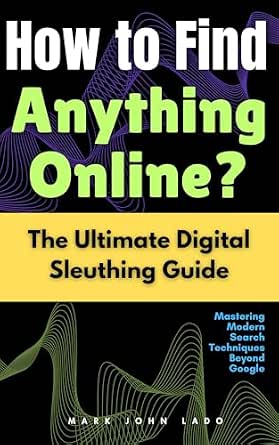 | Best for broadening research methods | Item type: Book listing | Stated subject: Alternative search engines and online research | Deep web research: Included in the supplied description | VIEW LATEST PRICE | See Our Full Breakdown |
| privacy-focused search engine | Item type | Best role in this roundup | Stated subject | Search-engine service |
|---|---|---|---|---|
| DuckDuckGo Search Engine | Listed as a search engine | Direct search-engine option | — | — |
| Users’ Privacy Conservation Te | Book listing | Privacy-focused reading | Privacy-conservation techniques in search portals | Not a search engine |
| How to Find Anything Online: A | Book listing | Research-methods guide | Alternative search engines and online research | Not a search engine |
More Details on Our Top Picks
DuckDuckGo Search Engine
DuckDuckGo is the only actual search-engine listing in this group, which makes it the straightforward choice if your aim is to use a search provider positioned around privacy. The other entries are books: one concerns privacy in search portals, and the other teaches alternative search and deep-web research. Neither book can receive queries or return search results for you.
There is a major evidence limit, though: the supplied listing gives no description of the product, its format, supported platforms, or privacy practices. I can identify it as the direct category match, but I cannot verify specific protections, settings, or how the ASIN relates to an app, service, or other item. Before relying on it, check the item page and DuckDuckGo’s current privacy documentation. For a buyer who wants useful reading rather than a search provider, the two books are more clearly described, but they do not solve the same problem.
My ranking places this first for usefulness to the stated search-engine goal, not for a verified technical advantage. It is the pick to investigate first if you want to change search engines; the privacy book may be a better fit if your real goal is learning how search portals relate to privacy. Do not treat a privacy-oriented search choice as complete anonymity: your browser, websites, network, and signed-in accounts can still affect what information is exposed.
Pros:- The only item in this comparison identified as a search engine.
- Most direct match for someone considering a change from a general-purpose search provider.
- Can be compared against the two books as a usable search option rather than educational material.
- Keeps the choice focused on search-provider selection, subject to checking current details.
Cons:- No product description or technical specifications were supplied for this listing.
- The listing does not establish particular privacy protections, settings, or supported platforms.
- A search-engine choice alone does not protect every part of browsing or internet activity.
Best for: People seeking a search-engine option rather than a book and willing to verify current product details and privacy documentation.
Not ideal for: Buyers who need a listing with documented specifications or independently confirmed privacy practices, or anyone expecting a search engine alone to anonymize all browsing.
- Item type:Listed as a search engine
- Privacy details:Not supplied in the provided product information
- Platform support:Not specified
- Search features:Not specified
- Account requirements:Not specified
- Available settings:Not specified
- Best role in this roundup:Direct search-engine option
Our verdict“DuckDuckGo is the clearest pick if you need a search engine, but verify the listing and current privacy details because the supplied product information is sparse.”
Users’ Privacy Conservation Techniques in Search Portals: Does the Search Engine Know You?
This title is the closest of the two books to the privacy question behind the roundup: what a search portal may know about its users. The title signals an interest in privacy-conservation techniques and search engines’ knowledge of users, but no description or contents were provided. I would treat it as a possible conceptual reading choice, not as a verified manual of current protections or a recommendation of a particular search provider.
Compared with How to Find Anything Online, this listing appears more narrowly focused on privacy in search portals, while the other book is described as a broader guide to alternative engines and deep-web research. That distinction helps buyers choose: this title is the more relevant one if your concern is search privacy as a topic; the other has clearer supplied evidence for hands-on research techniques. Neither functions as a search engine, so neither belongs in the same practical category as DuckDuckGo.
The weakness is the lack of product detail. There is no supplied description, format, publication information, or account of the techniques covered. The question in the title may appeal to readers, but it does not establish that the book explains current policies or offers actionable guidance. Check the item page for contents and edition details before purchase, especially if you need current advice rather than a general discussion of privacy concepts.
Pros:- The title directly addresses privacy and search portals.
- A more privacy-centered reading choice than the broader research guide in this lineup.
- Can complement a separate search-engine choice by prompting questions about data and search practices.
- Offers a distinct educational role rather than duplicating the function of DuckDuckGo.
Cons:- No description or contents were supplied, so the scope and practical value are unclear.
- The listing does not confirm that its material reflects current search services or policies.
- It is a book, not a search provider or privacy tool.
Best for: Readers who want a book centered on privacy concerns around search portals and are prepared to confirm the contents before purchasing.
Not ideal for: Anyone looking for an immediately usable search engine, a confirmed current privacy manual, or a book whose topics and format are documented in the supplied listing.
- Item type:Book listing
- Stated subject:Privacy-conservation techniques in search portals
- Search-engine service:Not a search engine
- Detailed description:Not supplied
- Contents:Not specified
- Format:Not specified
- Best role in this roundup:Privacy-focused reading
Our verdict“Choose this title for a privacy-centered reading angle, but confirm its contents and do not confuse it with a search engine or current technical protection.”
How to Find Anything Online: Alternative Search Engines and Deep Web Research
This guide has the clearest description of the two books: it covers alternative search engines, deep web research, and techniques beyond Google. That makes it the strongest fit for readers who want to expand how they locate information. It is not, however, described as a privacy guide, and using a wider range of search methods does not automatically make searches private.
Compared with the privacy-centered title, this book appears broader and more practical as a research-methods resource. The other book’s title points more directly to what search portals may know about users, while this one focuses on where and how to search. Compared with DuckDuckGo, it offers instruction rather than a destination for queries. I would choose it when research range is the main need, not when the main goal is to select a privacy-focused search provider.
Its advantage is also its limitation: the stated scope is broad, but the supplied description does not identify specific search tools, chapters, platforms, or privacy practices. “Deep web research” can cover varied methods, and the listing does not explain its boundaries. Buyers who need current, security-sensitive advice should inspect the contents and publication details before relying on it. For a direct search-engine choice, DuckDuckGo is more relevant; for a privacy-specific reading angle, the other book’s title is closer.
Pros:- The supplied description explicitly covers alternative search engines.
- Includes deep web research as part of its stated scope.
- Addresses search techniques beyond Google, giving it a distinct research-oriented role.
- More concretely described than the privacy-themed book in this lineup.
Cons:- The description does not establish that privacy is a central topic.
- No specific tools, chapters, format, or publication details were supplied.
- It teaches research methods rather than providing search results or privacy protections.
Best for: Researchers and curious readers who want to learn about alternative search engines and methods for finding information beyond standard web search.
Not ideal for: People seeking a search engine itself, a privacy-first guide, or verified advice on a specific provider’s current data practices.
- Item type:Book listing
- Stated subject:Alternative search engines and online research
- Deep web research:Included in the supplied description
- Search-engine service:Not a search engine
- Privacy coverage:Not specified as a central focus
- Detailed contents:Not supplied
- Best role in this roundup:Research-methods guide
Our verdict“Pick this guide to broaden your research methods, not as a privacy-focused search engine or a substitute for checking a provider’s practices.”

How We Picked
I ranked these entries by how directly they answer the request for a privacy-focused search engine, then by whether their supplied descriptions support useful, specific guidance. That puts DuckDuckGo first because it is the sole listing explicitly identified as a search engine. The ranking is not a claim that it has been independently tested or that the listing proves particular privacy safeguards; the supplied content has no technical details to substantiate those claims.
The two books follow in different roles. Users’ Privacy Conservation Techniques in Search Portals: Does the Search Engine Know You? is the closer match for readers interested in privacy concepts, based on its title alone. How to Find Anything Online: Alternative Search Engines and Deep Web Research has a supplied description that specifically points to alternative search engines, deep web research, and techniques beyond Google. That makes it more useful for broadening research methods, but less directly focused on privacy. I treat both as educational materials, not as search products.
I also weighed buyer fit and evidence limits. No detailed specifications, privacy policies, device compatibility, or account requirements were supplied for these entries. I do not assume details that could change a purchasing decision. The result is a practical, cautious ranking: one direct search-engine listing, one privacy-themed book, and one broader research guide. Readers should check the item page and the search provider’s current documentation before making claims about protections or buying a specific edition.
| privacy-focused search engine | Item type | Best role in this roundup | Stated subject |
|---|---|---|---|
| DuckDuckGo Search Engine | Listed as a search engine | Direct search-engine option | — |
| Users’ Privacy Conservation Te | Book listing | Privacy-focused reading | Privacy-conservation techniques in search portals |
| How to Find Anything Online: A | Book listing | Research-methods guide | Alternative search engines and online research |
Factors to Consider When Choosing Best Privacy-focused Search Engines
These entries are not three competing search engines. I would make the decision by separating the tool you want to use from the material you want to read. DuckDuckGo is the direct search-engine listing; the other two are books with different apparent purposes. That distinction matters more than a feature-by-feature comparison because the supplied information does not document comparable technical specifications.
Start with the job you need done
If you want to enter queries and receive results from a search provider, start with DuckDuckGo. It is the sole listing identified as a search engine. If you want to learn about privacy in search portals, the privacy-themed book may be relevant; if you want broader research techniques and alternatives to Google, the research guide has the clearer stated scope. Only the first is a direct engine choice; the books are supporting reading, not functional substitutes.
This distinction also prevents a common buying mismatch. A book about search privacy cannot change the provider handling your searches, while a search engine does not necessarily explain how to manage privacy across browsers, devices, or accounts. Decide whether you need a service, an explanation, or research instruction before comparing the entries further.
Separate privacy claims from privacy-themed titles
A privacy-oriented name or subject is not proof of a particular safeguard. In this lineup, the DuckDuckGo entry has no supplied technical details, and the privacy book has no description or table of contents. I would check the search provider’s current privacy documentation for what data it collects, how it handles queries, and what settings or limits apply. For either book, review the available edition information and contents rather than inferring its claims from the title.
Keep the scope of protection realistic. A search provider is one part of a browsing setup. Websites you visit, browser configuration, network operators, signed-in services, and device-level software may still affect privacy. A search engine choice can be a useful step, but it should not be treated as a promise of anonymity across the internet.
Choose between the two books by subject
The titles point to separate reading needs. Users’ Privacy Conservation Techniques in Search Portals is the more privacy-centered prospect, though the supplied listing does not confirm its contents. How to Find Anything Online is described as covering alternative engines and deep web research, so it is the better-supported pick for broadening research methods. If you care most about privacy concepts, investigate the first; if you care most about finding information across different tools, investigate the second.
Neither description supports a claim that either book is a current technical handbook. Readers making security decisions should verify publication and content details, and consult up-to-date documentation for any specific service. The research guide’s wider scope may be useful, but breadth is not the same as privacy guidance.
Treat missing specifications as a buying factor
The information supplied for all three products leaves important gaps: no detailed privacy policy, feature list, supported platform, edition format, or account requirements are provided. That does not prove a product is unsuitable; it means I cannot use those details to rank technical protection. For DuckDuckGo, verify that the particular listing corresponds to the service or product you intend to use. For the books, confirm the format and contents before buying.
When evidence is thin, avoid filling in the blanks. Do not assume the books are current, that the search-engine listing includes particular settings, or that any item guarantees privacy. The ranking here reflects the supplied information and each item’s fit to the stated goal, not a hands-on test or an audit.
Match your expectations to the ranking
For a direct search-engine option, DuckDuckGo ranks first because it alone fits that category. For privacy-focused reading, the privacy-conservation title is the more relevant lead, while its lack of supplied details calls for extra checking. For learning alternative search and deep-web research, the third listing has the clearest description. The ranking changes with your purpose: the overall order prioritizes the search-engine request, but a book buyer should follow the role that matches their learning goal.
If your main requirement is a documented comparison of privacy features across several live search engines, these three listings do not provide enough evidence to settle that question. Look for current provider documentation and compare specific practices directly rather than treating the two books as additional engines.
Frequently Asked Questions
Which item in this roundup is actually a search engine?
DuckDuckGo is the only listing identified as a search engine. The other two entries are books: one has a title centered on privacy in search portals, and the other is described as a guide to alternative search engines and deep web research. If you need a provider to handle searches, DuckDuckGo is the direct category match, though the supplied listing does not provide technical details.
Does a privacy-focused search engine make all of my browsing anonymous?
No. A search provider is only one part of your online activity. Websites, browser settings, network operators, signed-in accounts, and device software can all affect what information is visible or retained. I would treat a privacy-oriented search choice as one measure to investigate, not as a guarantee that every part of browsing is anonymous.
Which book is more relevant to search privacy?
Users’ Privacy Conservation Techniques in Search Portals: Does the Search Engine Know You? is the more privacy-centered title based on its wording. However, no description or contents were supplied, so the title alone cannot confirm its arguments, practical advice, or how current the material is. Check the listing for contents and publication information before relying on it for a specific privacy decision.
Which book is better for learning alternative search methods?
How to Find Anything Online: Alternative Search Engines and Deep Web Research is the stronger match for that goal because its supplied description explicitly mentions alternative engines, deep web research, and techniques beyond Google. The available information does not establish that privacy is a central topic, so readers looking primarily for privacy guidance should not assume the guide covers that need in depth.
Can these listings support a technical comparison of search-engine privacy?
Not by themselves. Only DuckDuckGo is presented as a search engine, and its listing contains no technical description; the other entries are books rather than competing providers. I would consult current documentation from each search service you are considering and compare specific data practices directly. This roundup can clarify which listing fits a search-engine or reading need, but it cannot verify unprovided technical claims.
Conclusion
Choose DuckDuckGo if you want the only direct search-engine option in this group, while checking its current details and privacy documentation before relying on specific protections. Pick Users’ Privacy Conservation Techniques in Search Portals if your priority is reading about privacy concerns around search portals, but verify its contents because the supplied listing is sparse. Choose How to Find Anything Online if you want a guide to alternative search methods and deep web research. My overall recommendation follows the title’s promise: DuckDuckGo is the practical search-engine lead; the books serve distinct learning needs, not as replacement engines or proof of privacy.