

As a CISO, your top fears include sophisticated AI-driven cyberattacks that can go undetected and cause millions in damages, along with staffing shortages that stretch your team thin and slow response times. Cloud misconfigurations and access issues leave critical vulnerabilities, while legacy systems hinder zero trust initiatives. You worry about staying ahead of evolving threats, managing complex security tools, and convincing leadership on risk severity. Keep going to discover how to tackle these mounting challenges effectively.

Get privacy and security gear delivered free with Prime
- Fast, free delivery on millions of items
- Prime Video, Amazon Music and more included
- Member-only deals all year
Key Takeaways
- Fear of sophisticated AI-driven attacks slipping through detection and causing significant operational and reputational damage.
- Concerns over talent shortages leading to inadequate staffing, burnout, and slower incident response.
- Worries about cloud misconfigurations and fragmented security tools creating visibility gaps and breach vulnerabilities.
- Anxiety over complex, multi-year Zero Trust initiatives delayed by legacy systems and resistance.
- Apprehension about rising breach costs, detection delays, and translating risks into actionable insights for leadership.
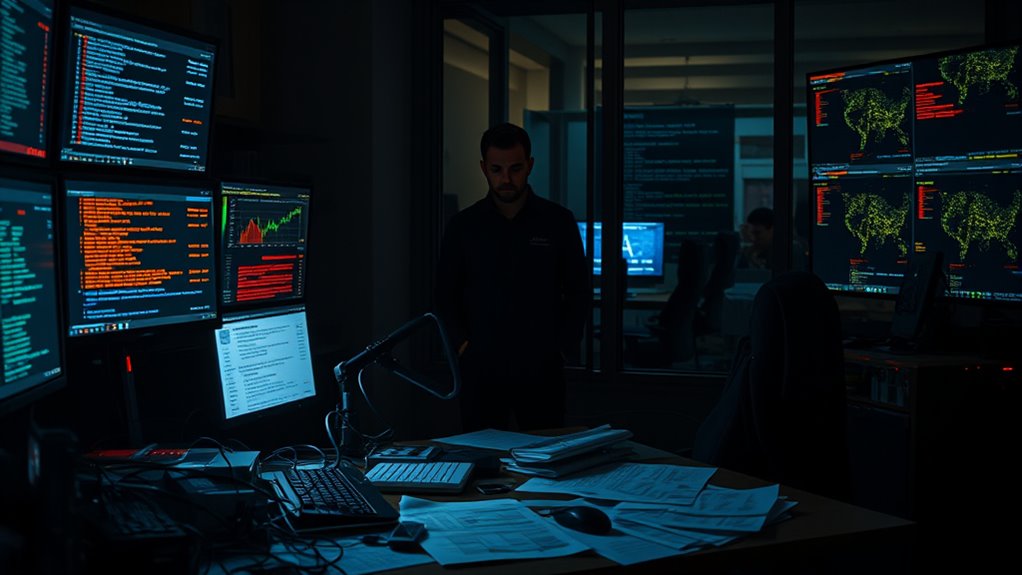
CISOs face a complex and rapidly evolving threat landscape, and their top fears reflect the multifaceted challenges in cybersecurity today. You know that demonstrating security’s value is tough—translating cyber risks into clear financial metrics is often met with skepticism. This makes securing budgets and strategic investments difficult, especially when leadership sees security as a cost rather than a business enabler. Communicating risk effectively to non-technical executives remains a persistent hurdle, with many CISOs struggling to articulate the severity of threats through measurable KPIs. Meanwhile, the pressure to align security initiatives with rapid digital transformation and business agility forces you into tough trade-offs between speed and control, all while regulators increase demands for transparency and accountability at the board level. Cyberattack risks are rising, with 76% of CISOs anticipating a material attack within the next year, heightening the urgency of these concerns.
Talent shortages are another major concern. You’re well aware that 82% of CISOs report feeling pressured to do more with less, with many teams already stretched thin. The global cybersecurity talent gap leaves your staff overworked, leading to burnout, especially among SOC analysts who face alert fatigue and tool sprawl. The reliance on managed services and automation helps fill gaps but introduces new vendor management risks and integration challenges. Keeping pace with emerging threats like AI-driven attacks and sophisticated malware demands continuous upskilling—yet the talent pool for cloud, AI, and identity engineering remains limited. This ongoing struggle hampers your ability to respond swiftly and effectively.
Visibility across cloud environments remains a top concern. You’re aware that around 80% of CISOs cite cloud visibility as a critical vulnerability, with most breaches linked to misconfigurations and access mismanagement. Fragmented tools and a lack of centralized telemetry hinder your ability to detect lateral movements or data exfiltration, complicating incident response. Implementing consistent security policies across diverse SaaS, IaaS, PaaS, and edge workloads is a constant challenge, increasing your attack surface and operational complexity. The drive to consolidate security stacks aims to reduce costs and improve detection, but it’s easier said than done.
Zero Trust initiatives are ongoing, yet they remain a multiyear effort hampered by legacy systems and technical debt. Standardizing identity and access controls across mergers, acquisitions, and third-party integrations pushes your teams to their limits. Automation gaps in identity lifecycle management and privileged access leave persistent vulnerabilities, and balancing security with user productivity often leads to resistance from business units. Regulatory expectations for strong access controls and auditability add to the operational burden.
Finally, the ever-escalating threat landscape keeps you awake at night. AI-enhanced phishing, deepfake scams, and automated intrusions grow in sophistication, while adversaries exploit AI itself for attacks. The rising frequency and cost of breaches—many exceeding millions—make you worry about your organization’s resilience. You’re concerned about detection gaps, especially since a significant share of breaches go unnoticed with current tooling. Ransomware, extortion, and multi-vector attacks threaten your organization’s stability, and the pressure to respond quickly and effectively only intensifies. Amidst all this, the challenge of translating these risks into clear, actionable insights for leadership remains your ongoing top fear.
Frequently Asked Questions
How Can CISOS Effectively Communicate Security Value to Non-Technical Stakeholders?
You can effectively communicate security value by translating technical risks into clear, business-relevant metrics. Use simple language, focus on how security initiatives protect assets, and demonstrate ROI through cost avoidance and risk reduction. Share tangible examples of past incidents and their impact, align security goals with business objectives, and provide measurable KPIs. This approach helps non-technical stakeholders see security as a strategic enabler rather than just a cost center.
What Strategies Best Address the Cybersecurity Talent Gap and Skill Shortages?
Think of your cybersecurity team like a garden needing constant nurturing. To address talent gaps, invest in continuous training and upskilling programs, much like watering and fertilizing. Leverage automation to handle routine tasks, freeing your team for strategic work. Partner with academia and industry groups to build a pipeline of fresh talent. Encourage internal mobility, and recognize efforts to boost morale. These strategies cultivate resilience in your security posture.
How Can Organizations Improve Cloud Visibility and Reduce Misconfiguration Risks?
You can improve cloud visibility and reduce misconfiguration risks by implementing centralized monitoring tools that provide real-time telemetry across all cloud environments. Automate security checks and enforce consistent policies using cloud-native solutions or third-party platforms. Regularly conduct configuration audits and leverage AI-driven insights to identify vulnerabilities early. Educate your teams on best practices and establish clear incident response procedures to quickly remediate issues and minimize exposure.
What Are the Best Practices for Implementing Zero Trust Across Complex Environments?
Think of implementing Zero Trust as assembling a Swiss Army knife—you need flexible, layered tools. Start by mapping your environment thoroughly, then enforce strict identity verification and least privilege access. Continuously monitor and adapt policies across hybrid and multi-cloud setups. Use automation to streamline controls, and don’t forget to involve your teams for seamless integration. Regularly review and refine your strategy to stay ahead—like a good vintage, it improves with age.
How Can CISOS Prepare for Ai-Driven Threats and Emerging Attack Techniques?
To prepare for AI-driven threats, you should invest in advanced detection tools that leverage AI and machine learning to identify subtle attack patterns. Regularly train your teams on emerging tactics like deepfakes and automated intrusions. Strengthen your incident response plans with AI-specific scenarios, and collaborate with industry peers to share threat intelligence. Staying updated on AI developments and proactively adjusting security measures guarantees you’re better equipped to mitigate these sophisticated attacks.
Conclusion
As you navigate the complex landscape of cybersecurity, remember that even the most seasoned chiefs face unseen currents beneath the surface. Your vigilance keeps the ship steady, but the waters are always shifting. Embrace the uncertainties as opportunities to grow wiser and more resilient. In the quiet moments, trust your instincts and prepare to weather any storm. After all, it’s in these subtle shifts that true strength quietly resides.
Columbus Day / Indigenous Peoples' Day Picks
long weekend sales
As an affiliate, we earn on qualifying purchases.