
Many small businesses think they’re too small to attract hackers, but almost half of all cyberattacks target companies like yours. Hackers see you as easier targets with valuable data but weaker defenses. They exploit vulnerabilities like stolen credentials and malware, knowing it’s low-risk and high-reward. If you keep underinvesting in security or ignore vulnerabilities, you’re just inviting trouble. Want to discover simple ways to protect your business effectively? Keep going to find out how to stop these threats in their tracks.
Listen free for 30 days with Audible
Thousands of audiobooks and originals — cancel anytime.
As an affiliate, we earn on qualifying purchases.
Key Takeaways
- Nearly 50% of cyber breaches impact small businesses, making them attractive targets due to perceived vulnerabilities.
- Hackers exploit weak defenses, such as compromised credentials and outdated security, to access valuable business data.
- Small firms often lack sufficient cybersecurity measures, increasing the risk of successful attacks like malware and ransomware.
- Cybercriminals prefer targeting small businesses because they typically pose lower legal and law enforcement risks.
- The high financial and operational impact of attacks motivates hackers to continuously target small enterprises.
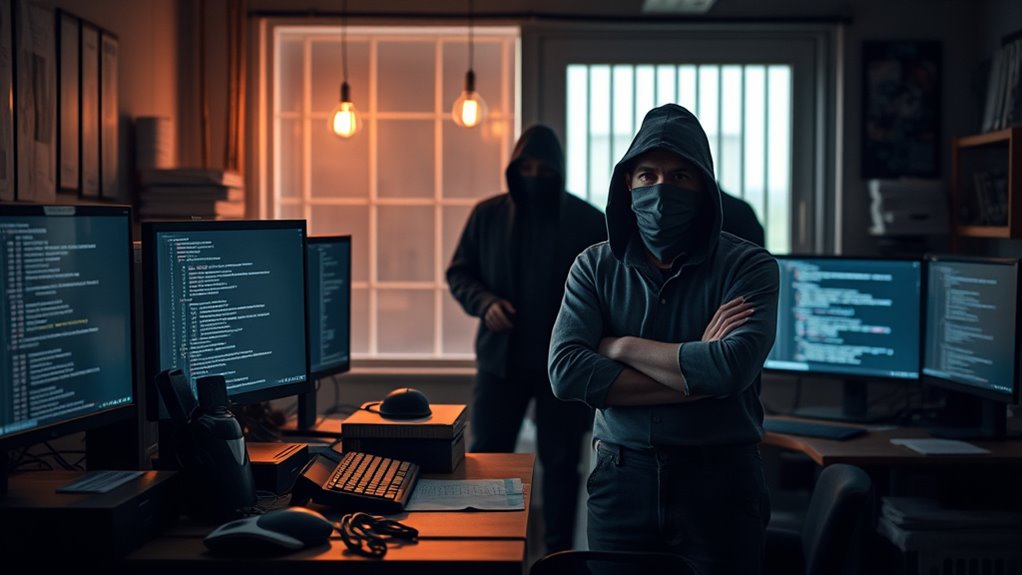
Are you aware that nearly half of all cyber breaches impact small businesses? It’s a startling fact that highlights just how vulnerable smaller companies are to cyber threats. Many small business owners believe their size offers a layer of protection, but hackers see things differently. They target everyone, regardless of company size, because small businesses often have weaker defenses and valuable data. In fact, 61% of SMBs faced cyberattacks in 2021, and in 2023, nearly half of all cyberattacks aimed at small firms. With incidents happening every 11 seconds and a 46% attack rate in 2025, cybercriminals are relentless in their efforts. They recognize that small businesses hold sensitive customer information, financial data, and proprietary assets, making them attractive targets. Cybercriminals prefer small targets for easier access and lower risk of law enforcement intervention. Your small business might think that cybercriminals are only after big corporations, but that’s a misconception. Over 70% of ransomware attacks in 2021 targeted companies with fewer than 500 employees. Hackers often exploit the weakest link: compromised credentials, malware, and phishing emails. Small businesses are especially vulnerable because 80% of hacking incidents involve stolen passwords or credentials. You could be targeted simply because your defenses are less sophisticated. Many small businesses rely on consumer-grade solutions, with one-third of companies with 50 or fewer employees using free or basic tools. This leaves gaps that hackers can easily exploit. Additionally, only 17% of small businesses encrypt data, and just 20% have implemented multi-factor authentication, making it easier for cybercriminals to access sensitive information. The consequences of a breach can be devastating. Sixty percent of small businesses close within six months after a cyberattack, and nearly 40% lose critical data. If your business falls victim to ransomware, chances are high that you won’t be able to operate anymore—75% of SMBs report they can’t continue after such an attack. Financial losses are significant, averaging around $120,000 per breach, with total costs reaching up to $7 million for some companies. These incidents also damage trust and reputation, forcing you to spend time rebuilding client confidence. Alarmingly, 51% of small businesses pay ransomware demands, which encourages further attacks. Despite these risks, many small businesses underinvest in cybersecurity, often spending less than $1,500 a month. Yet, hackers continue to target you because your defenses are weaker and your data is valuable. The reality is, cybercriminals see small businesses as easy prey, and they don’t discriminate based on size. Your business must recognize this threat and take proactive steps—strengthening security measures, implementing encryption, and training staff—to stay protected in an increasingly dangerous digital landscape. Recognizing cybersecurity vulnerabilities and addressing them promptly is crucial to prevent devastating losses.

64GB Digital Voice Recorder with Playback: Voice Activated Recorders for Lectures Meetings Interviews - EVISTR Dictaphone Recording Device Tape Recorder Portable Mini, Audio Recorder with USB, MP3
- High-Quality Audio Recording: Crystal clear stereo sound with noise reduction
- Large 64GB Storage Capacity: Stores up to 4660 hours of recordings
- Long Battery Life: Up to 35 hours playback on a full charge
As an affiliate, we earn on qualifying purchases.
Frequently Asked Questions
How Do Hackers Identify Vulnerable Small Business Targets?
Hackers identify vulnerable small businesses mainly by exploiting weak security measures. They scan for common gaps like unencrypted data, lack of multi-factor authentication, and outdated software. They often target businesses with poor password practices or limited cybersecurity defenses, including free tools or untrained staff handling security. By using phishing emails, compromised credentials, or malware, they exploit these vulnerabilities, making small businesses easy targets for cyberattacks.
What Are the Most Overlooked Cybersecurity Threats for Small Businesses?
You often overlook threats like weak data encryption, limited multi-factor authentication, and reliance on untrained staff. Many small businesses ignore these gaps, making them easy targets. Hackers exploit compromised passwords, outdated software, or third-party vulnerabilities. Without proper cybersecurity insurance or regular risk assessments, you leave your business exposed. Stay proactive by investing in encryption, staff training, multi-factor authentication, and all-encompassing security plans to prevent costly breaches and business failures.
How Quickly Can a Small Business Recover From a Cyberattack?
Recovery time varies, but many small businesses can face weeks or even months to fully bounce back from a cyberattack. Your ability to recover depends on your preparedness, cybersecurity measures, and response speed. If you act quickly, contain the breach, and have a solid recovery plan, you can minimize downtime. Otherwise, prolonged disruptions could threaten your business’s survival, emphasizing the importance of proactive cybersecurity investments.
Are Free Cybersecurity Tools Effective for Small Business Protection?
Free cybersecurity tools are like basic armor—better than nothing but not enough for real battles. They often lack advanced features like multi-factor authentication and encryption, leaving gaps for hackers to exploit. While they can help you identify some threats, relying solely on free options leaves your business vulnerable to sophisticated attacks. Investing in thorough security measures is essential to truly safeguard your assets and ensure your business’s survival.
What Are the Signs That a Business Has Been Hacked?
You’ll notice unusual activity like slow system performance, unexpected pop-ups, or strange emails in your inbox. Files might be missing or altered without your permission, and you could see unauthorized login attempts or new user accounts. If your customers report issues or you experience unexplained financial transactions, these are red flags. Act quickly—disconnect from the internet, change passwords, and consult cybersecurity professionals to assess and contain the breach.
Conclusion
Don’t assume your small business is immune to hackers; they’re like pirates lurking in every port, waiting for the right moment. If you ignore security, you’re inviting trouble—think of it as leaving the door unfastened in a bustling market. In today’s digital age, even a tiny ship can sink a fleet if it’s not prepared. Stay vigilant, update your defenses, and remember, a secure business isn’t just smart—it’s survival.
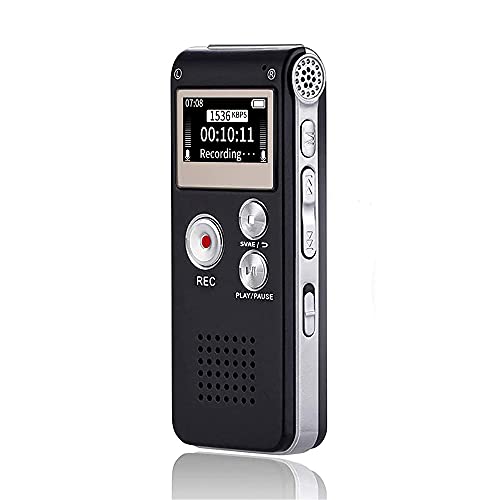
Digital Voice Recorder 16GB Voice Recorder with Playback for Lectures - USB Rechargeable Dictaphone Upgraded Small Tape Recorder Device
- Easy One-Button Operation: Simple recording and playback controls
- High-Quality Clear Voice: Noise reduction for crisp recordings
- Voice Activated Recording: Automatically records when sound is detected
As an affiliate, we earn on qualifying purchases.
Baby shower & registry season Picks
baby registry must-haves
As an affiliate, we earn on qualifying purchases.