
Many organizations overlook the security blind spot in SaaS tools—weak user authentication and insufficient encryption are common gaps. Relying only on passwords without multi-factor authentication leaves your data vulnerable to hackers. You might also assume your cloud provider handles all security, but that’s not always true. Implementing strong policies, layered defenses, and verifying encryption practices are essential steps. Continue exploring to uncover key strategies that can help you close these hidden vulnerabilities and strengthen your defenses.
Key Takeaways
- Overreliance on cloud providers’ security without verifying specific protections creates overlooked vulnerabilities.
- Weak user authentication, such as passwords alone, allows unauthorized access and data breaches.
- Inadequate or unverified data encryption practices leave sensitive information vulnerable during transit and storage.
- Lack of regular security audits and awareness training increases exposure to social engineering and insider threats.
- A solely technology-focused approach neglects policies and organizational practices essential for layered security.

As SaaS tools become integral to daily operations, many organizations overlook a critical security blind spot that can expose sensitive data and disrupt workflows. While these tools streamline collaboration and boost productivity, they often lack robust security measures, especially around user authentication and data encryption. You might assume that cloud providers handle all security aspects, but the reality is more complex. Weak user authentication processes can allow unauthorized access, putting your data at risk. If you’re relying solely on passwords without multi-factor authentication, you’re leaving the door open for cybercriminals to exploit vulnerabilities. Strong user authentication isn’t just a best practice; it’s a necessary step to guarantee only authorized personnel can access sensitive information. Implementing multi-factor authentication adds an extra layer of security, making it markedly harder for attackers to gain entry even if login credentials are compromised.
Weak user authentication can expose your data; strong, multi-factor authentication is essential for secure access.
Beyond user authentication, data encryption plays a vital role in safeguarding your information. Data encryption converts your sensitive data into unreadable code during transit and storage, making it useless to anyone who intercepts it without the proper decryption keys. Many SaaS providers claim to encrypt data, but you need to verify the strength and scope of that encryption. Is the data encrypted both in transit and at rest? Do they use industry-standard protocols like AES-256? If not, your data could be vulnerable during transmission or when stored on servers. You should also guarantee that encryption keys are managed securely, as poor key management can nullify the benefits of encryption altogether. Additionally, understanding the security protocols employed by your SaaS provider can help you identify potential gaps and ensure your data remains protected. Regular security audits can further help identify vulnerabilities before they are exploited. Incorporating security standards and best practices into your security assessment can provide additional assurance of your data’s safety. It’s also important to understand the compliance standards that your SaaS provider adheres to, as this can impact your organization’s legal and regulatory obligations. Recognizing the importance of security awareness training for your team can further reduce risks associated with social engineering attacks.
Many organizations overlook that security isn’t just about technology; it’s about policies and practices. Relying solely on the SaaS provider’s security features isn’t enough. You need to audit their security protocols regularly, enforce your own policies, and educate your team on best practices. For example, even with encrypted data and strong user authentication in place, an insider threat or phishing attack could still jeopardize your security. That’s why thorough security requires a layered approach—combining technical safeguards with user awareness and strict access controls. Creating a comprehensive security strategy that includes policies, training, and continuous monitoring can significantly enhance your organization’s resilience. Moreover, fostering a culture of security awareness among employees can be a powerful defense against social engineering attacks.
Ultimately, the security blind spot in SaaS tools often lies in assumptions. You might think that cloud solutions are inherently secure, but without actively managing user authentication and guaranteeing robust data encryption, you’re leaving gaps that cybercriminals can exploit. Staying vigilant—and proactive—means regularly reviewing your security measures, insisting on strong authentication protocols, and verifying that your data encryption standards meet industry best practices. Only then can you truly mitigate the risks hiding within your everyday SaaS tools.
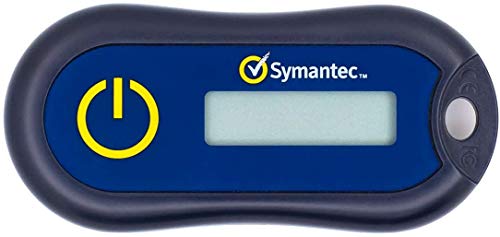
Symantec VIP Hardware Authenticator – OTP One Time Password Display Token – Two Factor Authentication – Time Based TOTP – Key Chain Size
Standard OATH compliant TOTP token (time based)
As an affiliate, we earn on qualifying purchases.
As an affiliate, we earn on qualifying purchases.
Frequently Asked Questions
How Can Organizations Identify Hidden Security Gaps in Saas Tools?
You can identify hidden security gaps in SaaS tools by conducting regular audits focused on cloud misconfigurations and third-party integrations. Use automated tools to scan for misconfigurations that may expose sensitive data and review third-party access permissions carefully. Stay updated on potential vulnerabilities, and involve your security team to analyze logs and monitor unusual activities. This proactive approach helps uncover blind spots before they become major security issues.
Are There Industry-Specific Saas Security Risks to Consider?
Like a knight preparing for battle, you must recognize industry-specific SaaS security risks. You should prioritize industry compliance and conduct thorough vendor assessments to identify vulnerabilities unique to your sector. For example, healthcare faces HIPAA challenges, while finance deals with FINRA regulations. Tailoring your security approach to these risks guarantees you don’t overlook critical gaps, safeguarding sensitive data and maintaining trust in your organization’s SaaS environment.
What Role Do User Permissions Play in Saas Security?
User permissions are essential in SaaS security because they define what each user can access and do within the platform. By managing user roles effectively, you control sensitive data and prevent unauthorized actions. Proper permission management minimizes security risks, ensuring users only have the access necessary for their roles. Regularly reviewing and adjusting these permissions helps you stay ahead of potential threats, maintaining a secure SaaS environment.
How Often Should Saas Security Audits Be Conducted?
You should conduct SaaS security audits at least quarterly, especially with third-party integrations increasing risks. Studies show 60% of breaches involve third-party vendors, highlighting the need for frequent checks. Regular audits help identify vulnerabilities, guarantee compliance, and protect sensitive data. Additionally, employee training should accompany these audits, so your team stays aware of security best practices and can act swiftly to mitigate potential threats.
What Are the Best Practices for Saas Data Encryption?
To guarantee SaaS data encryption is effective, you should implement strong encryption protocols and regularly update your security measures. Use data masking to protect sensitive information from unauthorized access, and manage encryption keys meticulously with robust key management practices. This assures keys are stored securely, rotated regularly, and access is restricted, reducing the risk of breaches. Staying vigilant and maintaining best practices keeps your data safe in the cloud.

Integral Secure 360-C 32GB Software Encrypted USB Flash Drive – USB-C Connector – 256-bit AES encryption – Compatible with Mac, MacBook, PC, Laptop
USB Type-C connector suits a variety of devices. Compatible with Microsoft Windows & macOS
As an affiliate, we earn on qualifying purchases.
As an affiliate, we earn on qualifying purchases.
Conclusion
Don’t let overlooked SaaS vulnerabilities catch you off guard. Think of your security like a house: even if the doors are locked, an open window can be the entry point for threats. By staying vigilant and evaluating all access points—especially those hidden in everyday tools—you protect your entire digital home. Remember, addressing these blind spots now is like installing security cameras—saving you from costly breaches later. Stay proactive, stay secure.

SOC2 Cloud Compliance Mastery: Master SOC 2 For Cloud Tools | Secure Collaboration Fast | SOC 2 Controls Simplified | Trusted Compliance Blueprint | Fast-Track Cloud Compliance | SOC 2 For SaaS
As an affiliate, we earn on qualifying purchases.
As an affiliate, we earn on qualifying purchases.
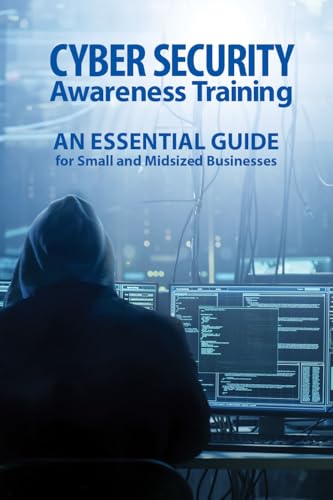
CYBER SECURITY Awareness Training: AN ESSENTIAL GUIDE for Small and Midsized Businesses
As an affiliate, we earn on qualifying purchases.
As an affiliate, we earn on qualifying purchases.