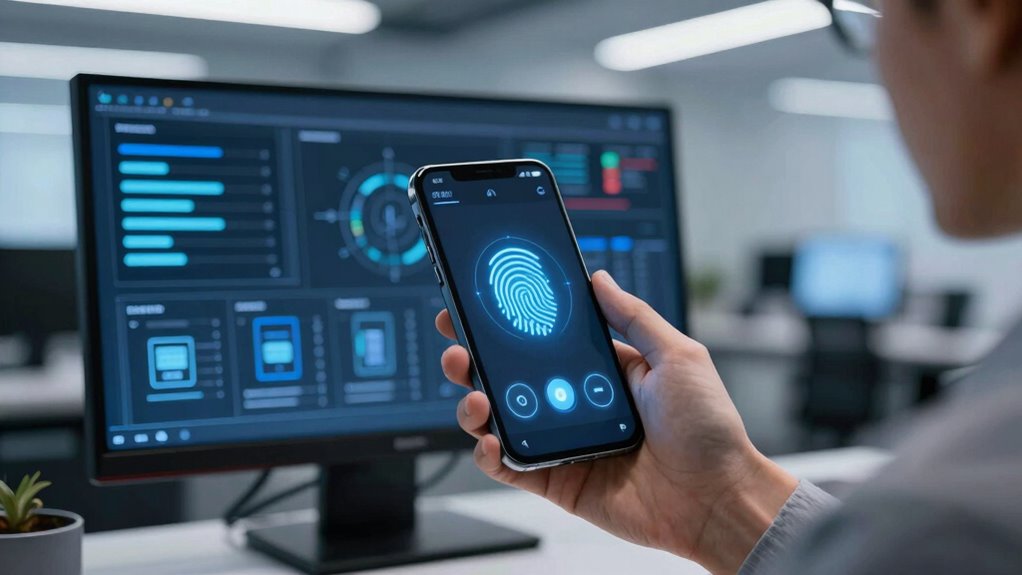
Device trust is becoming essential in access control because relying solely on passwords is no longer enough to stop advanced cyber threats. Verifying the device’s integrity, using technologies like biometrics and fingerprinting, helps you confirm both user identity and device legitimacy. This layered approach reduces risks, speeds up security responses, and adapts to new threats. If you want to understand how these tools work together to strengthen your defenses, keep exploring this topic further.
Prime for Young Adults — start your free trial
Fast free delivery, streaming and member deals for eligible 18–24 year olds.
As an affiliate, we earn on qualifying purchases.
Key Takeaways
- Increasing cyber threats require verifying device integrity alongside user credentials for stronger access control.
- Device fingerprinting enables continuous, real-time assessment of device security and behavior.
- Biometric and device trust technologies help detect suspicious activity and reduce unauthorized access risks.
- Dynamic trust scoring allows for granular, adaptive security policies based on device posture.
- Emphasizing device trust enhances overall cybersecurity resilience and protects sensitive information.

In today’s digital landscape, guaranteeing secure access to organizational resources requires more than just passwords; it demands a robust approach to device trust and access control. As cyber threats grow more sophisticated, relying solely on traditional authentication methods leaves gaps that can be exploited. You need to verify not just who’s requesting access but also whether the device itself can be trusted. That’s where device trust becomes essential, shifting the focus from user credentials alone to a broader security framework that includes device identity.
One way you can establish device trust is through biometric authentication. This technology leverages unique physical traits—like fingerprints or facial recognition—to confirm a user’s identity. When integrated into access control systems, biometric authentication ensures that only authorized individuals can access sensitive data, even if passwords are compromised. It adds an extra layer of security by tying access to something you are, rather than something you know. But biometric data isn’t the only tool at your disposal. Device fingerprinting plays a vital role in evaluating whether a device is trustworthy. By analyzing various elements—such as hardware specifications, installed software, network configurations, and even browser settings—device fingerprinting creates a unique profile for each device.
Biometric authentication and device fingerprinting work together to verify user identity and device trust for enhanced security.
This profile helps your security system recognize familiar devices and flag any anomalies. When a device attempts access from an unfamiliar or suspicious fingerprint, you can prompt additional verification steps or block entry altogether. This proactive approach minimizes the risk of unauthorized access and helps you respond swiftly to potential threats. Over time, combining biometric authentication with device fingerprinting allows you to establish a dynamic trust score for each device. This score reflects its history, behavior, and current integrity, giving you a detailed view of device security posture. Such insights enable you to enforce granular access policies, granting permissions based on real-time trust assessments rather than static credentials. Incorporating continuous monitoring further enhances your ability to detect irregularities and adapt your security measures accordingly.
Enhancing these evaluations with digital trust frameworks can provide a comprehensive view of device and user validation, further strengthening your security posture.
In essence, device trust isn’t just a supplementary feature anymore; it’s becoming a core component of access control strategies. By evaluating both user identity and device legitimacy, you reduce the attack surface and improve your organization’s resilience. As cyberattacks evolve, embracing technologies like biometric authentication and device fingerprinting ensures you’re not just reacting to threats but actively preventing them. This integrated approach empowers you to maintain a higher security standard, protect sensitive information, and foster a safer digital environment for everyone involved. Device trust is increasingly recognized as a crucial aspect of cybersecurity, emphasizing the importance of verifying device integrity alongside user credentials. Incorporating device identification techniques further enhances your ability to maintain secure, trusted access points across your infrastructure.
As an affiliate, we earn on qualifying purchases.
Frequently Asked Questions
How Does Device Trust Impact User Privacy?
Device trust impacts your user privacy by ensuring only secure devices access sensitive data, reducing risks of breaches. This focus enhances data protection, but it also means your device may be monitored or assessed for trustworthiness, which could raise privacy concerns. While it helps safeguard your information, you should be aware that increased device scrutiny might lead to more data collection about your device usage, potentially affecting your overall user privacy.
What Are the Challenges in Implementing Device Trust?
Implementing device trust is challenging because you need to perform thorough risk evaluations and guarantee proper device certification. You must verify that devices meet security standards without causing user friction. Balancing security with usability is tricky, especially when appraising new or untrusted devices. Additionally, maintaining up-to-date device certifications and continually monitoring device health complicates the process, requiring ongoing effort and resources to stay effective.
How Does Device Trust Integrate With Existing Access Systems?
Seventy percent of organizations find integrating new security measures challenging, but device trust can seamlessly fit into your existing systems. By using device fingerprinting and behavioral analytics, you can enhance access control without overhauling your infrastructure. These tools allow you to verify devices and monitor user behavior, making integration smoother and more effective. This way, you strengthen your security posture while maintaining familiar workflows.
Can Device Trust Prevent All Types of Cyberattacks?
Device trust can’t prevent all cyberattacks because it mainly relies on device reputation and risk assessment to identify potentially risky devices. While it strengthens security by filtering out untrusted devices, sophisticated attackers can still find ways around these measures. You should combine device trust with other security layers, like user authentication and network monitoring, for thorough protection. Relying solely on device trust leaves gaps in your security posture.
What Future Trends Will Shape Device Trust in Access Control?
Device trust is evolving like a rising tide, shaping the future of access control. You’ll see biometric verification becoming more seamless, blending into everyday devices, while behavioral analysis sharpens to detect subtle anomalies. These trends will make access decisions smarter, more personalized, and harder for attackers to bypass. As technology advances, device trust will become the backbone of secure, frictionless access, ensuring you stay protected in an increasingly digital world.
As an affiliate, we earn on qualifying purchases.
Conclusion
As you see, device trust is no longer just an option—it’s essential for effective access control. By verifying devices, you reduce risks and strengthen your security posture. Can you really afford to ignore the fact that compromised devices could be the weak link in your defenses? Embracing device trust means you’re not just protecting data; you’re future-proofing your organization against evolving threats. Isn’t it time you made device trust a priority?
digital trust framework solutions
As an affiliate, we earn on qualifying purchases.
As an affiliate, we earn on qualifying purchases.
multi-factor authentication hardware
As an affiliate, we earn on qualifying purchases.
As an affiliate, we earn on qualifying purchases.
NFL season / tailgating Picks
team gear
As an affiliate, we earn on qualifying purchases.