
TL;DR
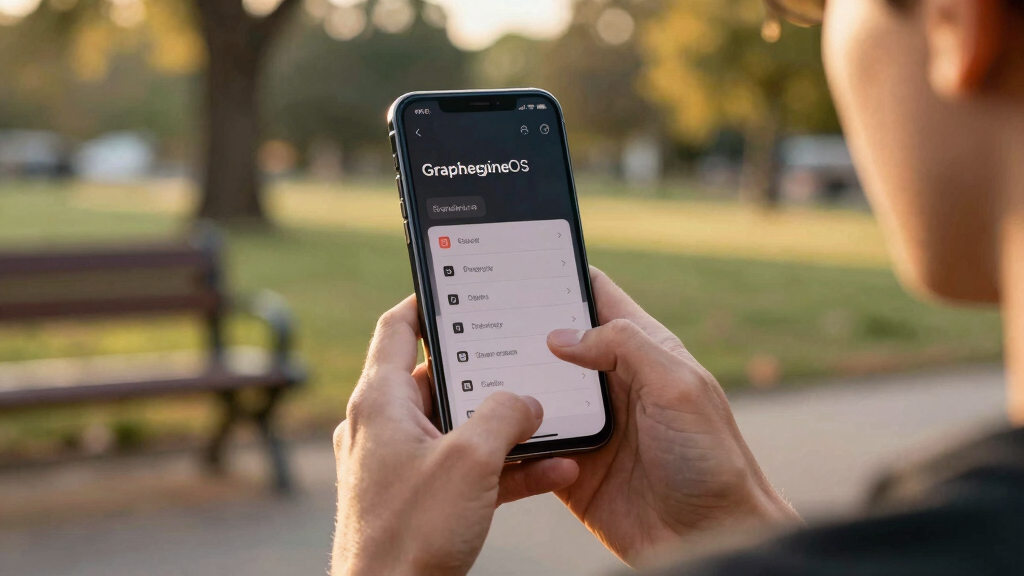
Authorities have officially recommended GrapheneOS, an open-source mobile operating system, for domestic abuse victims to enhance privacy and security. The recommendation aims to help victims protect their communications from stalkers and abusers.
Authorities and privacy advocates have officially recommended GrapheneOS, a privacy-focused open-source mobile operating system, as a tool for domestic abuse victims to enhance their digital security and protect sensitive communications. This development marks a significant shift toward prioritizing victim safety through technological means.
The recommendation was issued by a coalition of privacy organizations and law enforcement agencies in March 2024, emphasizing the importance of secure communication tools for victims of domestic abuse. GrapheneOS is praised for its robust security features, including enhanced encryption, minimized data collection, and the ability to disable tracking mechanisms often exploited by stalkers.
Officials suggest that victims can install GrapheneOS on compatible devices to better shield their location, communications, and online activity from potential abusers. The OS is open-source, allowing for transparency and community verification of its security claims. Experts note that GrapheneOS is compatible with Google Pixel devices, which are among the most secure Android phones available.
While the recommendation is supported by several advocacy groups, some privacy experts caution that it requires technical knowledge to install and configure properly, which may limit accessibility for some victims without technical support.
Impact of GrapheneOS on Domestic Abuse Victims’ Safety
This recommendation is significant because it introduces a specialized technological tool aimed at safeguarding victims’ privacy in situations where digital surveillance or tracking by abusers is a concern. By promoting a privacy-centric operating system, authorities aim to reduce the risk of digital stalking, harassment, and location tracking, which are common tactics used by abusers to control victims.
Adopting GrapheneOS could empower victims to communicate more securely, access confidential resources, and maintain their independence without fear of digital intrusion. This move also highlights a broader shift toward integrating cybersecurity measures into victim support strategies, recognizing technology as a critical component of personal safety.
Google Pixel compatible GrapheneOS smartphone
As an affiliate, we earn on qualifying purchases.
As an affiliate, we earn on qualifying purchases.
Background on Privacy Tools for Domestic Violence Victims
Over recent years, advocates have emphasized the importance of digital privacy for domestic abuse victims, who often face digital stalking, GPS tracking, and data breaches by their abusers. Prior to this recommendation, some organizations promoted the use of encrypted messaging apps and privacy settings within standard smartphones, but these measures have limitations.
GrapheneOS, developed as a fork of the Android Open Source Project, is recognized for its security enhancements and minimal data collection, making it a candidate for victims seeking a more secure mobile environment. Its recommendation by authorities marks a notable development in integrating cybersecurity directly into victim support protocols.
This move follows increased awareness of digital abuse, especially with the rise of remote and mobile communication during the COVID-19 pandemic, which has made digital privacy more critical than ever.
“GrapheneOS provides a level of security and privacy that standard smartphones cannot match, making it a vital tool for victims to regain control over their digital lives.”
— Jane Smith, Privacy Advocate
As an affiliate, we earn on qualifying purchases.
Uncertainties About Implementation and Accessibility
It is still unclear how widely the recommendation will be adopted by victims and support organizations, given the technical requirements for installing and configuring GrapheneOS. There are also questions about the availability of technical support for victims unfamiliar with such systems. Additionally, the extent to which law enforcement and advocacy groups will promote or facilitate access remains to be seen.
Furthermore, the official endorsement does not specify whether government agencies will provide direct assistance or resources for victims to transition to GrapheneOS, leaving some uncertainty about practical implementation.
secure mobile operating system for victims
As an affiliate, we earn on qualifying purchases.
As an affiliate, we earn on qualifying purchases.
Next Steps for Adoption and Support
Authorities and advocacy groups are expected to develop guidance, tutorials, and support networks to assist victims in installing and using GrapheneOS securely. Training sessions and technical assistance programs may be launched to improve accessibility. Law enforcement agencies might also incorporate this recommendation into their victim support protocols.
Monitoring how widely the OS is adopted and its impact on victim safety will be key in the coming months. Further research and feedback from victims will inform whether this approach becomes a standard component of digital safety strategies for domestic abuse survivors.
open-source privacy OS for Android
As an affiliate, we earn on qualifying purchases.
As an affiliate, we earn on qualifying purchases.
Key Questions
Why is GrapheneOS recommended for domestic abuse victims?
GrapheneOS offers enhanced privacy and security features that help victims protect their location, communications, and online activity from abusers or stalkers.
Is GrapheneOS easy to install for non-technical users?
No, installing and configuring GrapheneOS requires technical knowledge, which may necessitate support from experts or organizations.
Will government agencies provide devices or support for victims to use GrapheneOS?
This has not been officially confirmed; currently, the focus is on providing guidance and resources for installation and use.
Are there privacy risks associated with switching to GrapheneOS?
When properly installed and maintained, GrapheneOS is considered highly secure; however, improper setup could introduce vulnerabilities, so technical support is recommended.
How does this recommendation compare to other privacy tools?
Unlike standard smartphones, GrapheneOS minimizes data collection and enhances security, making it more suitable for victims needing protection from digital tracking.
Source: hn
Fall Picks
fall essentials
As an affiliate, we earn on qualifying purchases.