
TL;DR

Get privacy and security gear delivered free with Prime
- Fast, free delivery on millions of items
- Prime Video, Amazon Music and more included
- Member-only deals all year
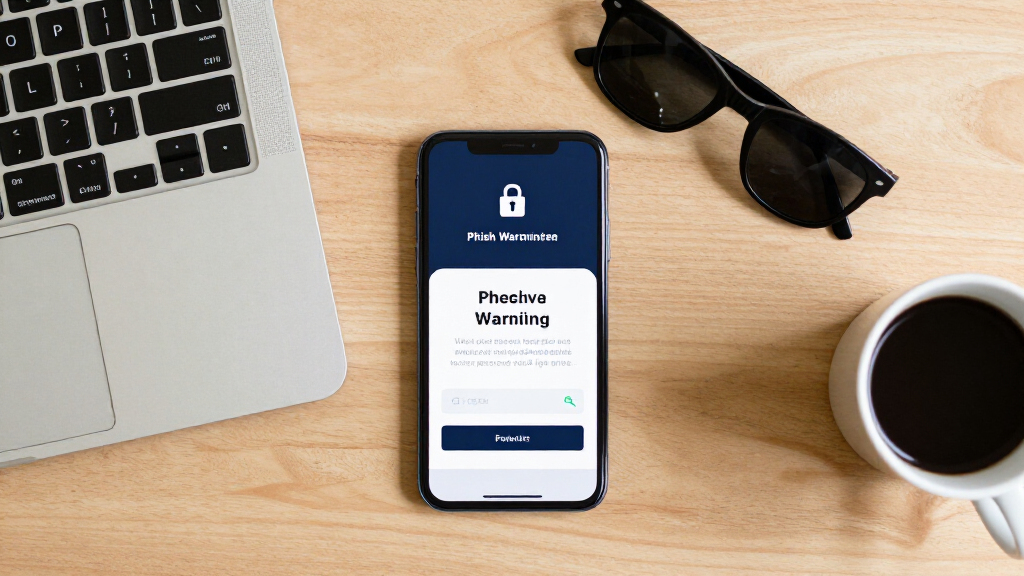
Phishing attacks have increased significantly, with reports of new sophisticated campaigns. Experts warn this poses a growing threat to personal and corporate security. The development underscores the need for heightened awareness and improved defenses.
Cybersecurity experts have identified a significant rise in phishing attacks over the past month, targeting both individuals and organizations. This surge, confirmed by multiple security firms, underscores the escalating threat of online scams designed to steal personal data and financial information.
Several cybersecurity organizations, including CyberSecure Inc. and ThreatWatch, have reported a sharp increase in phishing campaigns since late July. These campaigns often involve convincing emails that mimic trusted entities such as banks, government agencies, or popular online services. According to ThreatWatch, attackers are using more sophisticated techniques, including personalized messages and malware-laden attachments, to deceive victims.
Authorities in multiple countries have issued warnings about the rise, with some reports indicating that phishing attempts now account for a significant percentage of overall cyber threats. The FBI’s Internet Crime Complaint Center (IC3) noted a 25% increase in reported phishing incidents compared to the previous quarter. Despite these reports, the full scale and scope of the current campaigns remain under investigation, and details about the specific groups behind them are still emerging.
Why the Surge in Phishing Matters for Everyone
This increase in phishing attacks matters because it highlights a growing vulnerability in digital security that affects both individuals and organizations. Successful phishing scams can lead to financial loss, identity theft, and data breaches, which may have long-term consequences. As attackers develop more convincing tactics, the risk of falling victim to scams rises, emphasizing the importance of awareness and proactive security measures.
For businesses, a successful phishing attack can compromise sensitive data and disrupt operations, leading to financial and reputational damage. For individuals, falling for a phishing scam can result in stolen identities and financial fraud. The rising trend underscores the need for improved cybersecurity education, better detection tools, and stricter email security protocols.
As an affiliate, we earn on qualifying purchases.
Recent Trends and Historical Phishing Incidents
Phishing has been a persistent cyber threat for over two decades, evolving from simple scam emails to highly targeted and sophisticated campaigns. Historically, phishing attacks surged during major events or crises, exploiting public anxiety or uncertainty. The current wave, noted by security experts, appears to be driven by organized groups employing advanced techniques such as spear-phishing, which involves personalized messages aimed at specific individuals or companies.
In 2023, several high-profile data breaches were linked to successful phishing campaigns, prompting increased regulatory scrutiny and industry response. The recent trend of heightened activity, as observed this August, suggests that attackers are adapting to new security measures and seeking to maximize their success rates.
“The rise in reported phishing incidents indicates a significant shift in cybercriminal activity, requiring heightened vigilance and improved security measures.”
— FBI spokesperson
cybersecurity awareness training kits
As an affiliate, we earn on qualifying purchases.
As an affiliate, we earn on qualifying purchases.
Unclear Scope and Attribution of Recent Phishing Campaigns
While reports confirm a surge in phishing activity, the full scope, specific methods, and groups responsible remain unclear. Investigations are ongoing, and authorities have not yet identified the exact origins of the latest campaigns. Additionally, some experts caution that the actual number of incidents may be underreported due to victims’ reluctance or lack of awareness.
As an affiliate, we earn on qualifying purchases.
Expected Security Measures and Public Awareness Campaigns
Security firms and government agencies are expected to release updated guidance and tools to help detect and prevent phishing attacks. Organizations are advised to enhance employee training, implement stricter email filtering, and adopt multi-factor authentication. Monitoring for new variants and tactics will continue as cybercriminals adapt to defensive measures. Public awareness campaigns are also likely to increase to educate users on recognizing and avoiding scams.
As an affiliate, we earn on qualifying purchases.
Key Questions
How can I recognize a phishing email?
Look for signs such as unexpected sender addresses, generic greetings, spelling errors, urgent language, and suspicious links or attachments. Always verify the sender’s identity before clicking any links or providing personal information.
What should I do if I suspect I received a phishing email?
Do not click on any links or attachments. Report the email to your IT department or email provider. Delete the message and run a security scan on your device if necessary.
Are there tools that can help prevent phishing attacks?
Yes, many email security solutions include anti-phishing filters, malware detection, and URL scanning. Enabling multi-factor authentication also adds an extra layer of security.
Has the government issued any warnings about phishing?
Yes, cybersecurity agencies in multiple countries have issued alerts and guidelines for recognizing and preventing phishing scams, urging vigilance among the public and organizations.
Why are phishing attacks becoming more sophisticated?
Cybercriminals continually adapt their techniques to bypass security measures, using personalized messages, malware, and social engineering tactics to increase their success rate.
Source: google-trends
Halloween Picks
halloween
As an affiliate, we earn on qualifying purchases.

![Doxxing. [221]](https://hacknjill.com/wp-content/uploads/2026/08/doxxing-221-featured-560x300.jpg)