
TL;DR

Get privacy and security gear delivered free with Prime
- Fast, free delivery on millions of items
- Prime Video, Amazon Music and more included
- Member-only deals all year
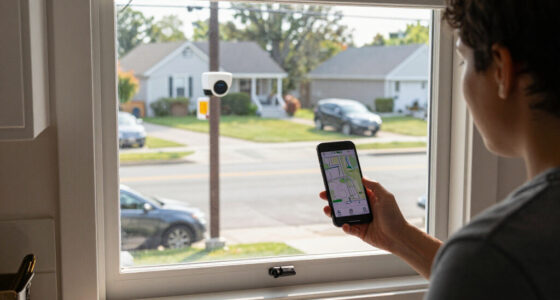
Proton is hosting a free interactive map of Flock Safety surveillance devices across the United States. The map reports more than 214,000 devices in service, above the 120,000-plus cameras Flock said it operated this summer; the figures use different descriptions and have not been reconciled.
Proton, the Swiss company behind Proton Mail and Proton VPN, is hosting a free interactive map of Flock Safety surveillance devices across the United States. The move preserves public access to a tool created by security researcher Joshua Michael after Flock sought its removal, and the map reports substantially more devices than the company’s publicly stated camera count.
The map, first published in September, catalogs Flock devices using information reported by the company, according to CNET. Proton says it has placed the tool on its Swiss servers, adding a layer of technical and legal protection after Flock submitted a trademark complaint and, Michael said, threatened further action. The map remains publicly available without requiring a subscription to Proton’s other services.
The figures displayed on the tool are more than 214,000 devices in service and more than 80,000 in planning stages. Flock said this summer that it operated more than 120,000 cameras nationwide. Those figures are not necessarily directly comparable: the map describes devices, while Flock’s statement refers to cameras, and the available information does not reconcile their scope or counting methods. A Flock representative did not immediately respond to CNET’s request for comment.
Flock systems include automated license plate readers and AI surveillance cameras. They can capture license plates, vehicle details and human physical characteristics, as well as audio signals such as gunshots or shouting. The map distinguishes active and decommissioned devices, according to CNET’s account of its use. Camera deployments change over time, so displayed locations may not reflect current conditions indefinitely.
Privacy · Public records · United States
A Privacy Company Just Saved The Clearest Flock Surveillance Map I’ve Seen
Proton is hosting a free interactive map of Flock Safety devices across the United States, keeping a public research tool accessible after its creator faced a trademark complaint.
01 / What the map shows
A public view of a changing network
Created by security researcher Joshua Michael, the map catalogs reported Flock devices and distinguishes active from decommissioned locations. It can help people examine reported deployments in their communities.
Reported coverage
Locations at a glance
A searchable map makes reported camera deployments easier for residents, journalists and local officials to review.
Collection types
More than license plates
Flock systems include plate readers and AI cameras that may capture vehicle details, physical characteristics and audio signals.
Policy questions
Visibility, not verdicts
The map does not establish how an agency uses the system, how long it retains data or what oversight applies.
02 / Reading the numbers
Two totals, different descriptions
The available reporting does not provide matching definitions, dates, counting methods or an independent audit to show that these totals measure the same thing.
| Source | Published figure | What it describes | What remains unclear |
|---|---|---|---|
| Interactive map | 214,000+ devices | Devices reported in service; 80,000+ more in planning | Scope, completeness and refresh frequency |
| Flock statement | 120,000+ cameras | Cameras the company said it operated nationwide this summer | Whether its category and date align with the map |
| Comparison | Not reconciled | “Devices” and “cameras” may cover different categories | No direct like-for-like comparison is established |
03 / From September to Swiss hosting
How the map stayed accessible
Proton says hosting the tool on Swiss servers adds legal and technical protection. That is Proton’s description of its position; the outcome of any future challenge is unknown.
Map published
Joshua Michael first shared the interactive map in September.
Removal sought
Flock filed a trademark complaint, according to reporting to CNET.
Proton hosts
The free public tool moved to Proton’s servers in Switzerland.
Public access
The map remains available without a Proton subscription.
04 / Public access & open questions
Useful evidence, with limits
A map can make reported surveillance infrastructure easier to discuss, while its records and legal status remain subject to change.
“My research on FlockSurveillance.org documents cybersecurity failures with national-security consequences.”Joshua Michael · map creator · speaking to CNET
Claims need context
Michael has raised concerns about data controls and cybersecurity. These are his assessments, not independently established findings in the reporting summarized here.
Proton says it will update the map when reliable new data is available. No fixed update schedule is specified, and device locations or status can change.
Treat displayed locations as a changing record, not a real-time guarantee.
05 / Key questions
What readers should know
What has Proton done?
It is hosting Joshua Michael’s free interactive map of reported Flock Safety devices across the United States.
Why host it in Switzerland?
Proton says Swiss data protection rules offer added safeguards. That describes Proton’s legal position; the result of any challenge is unknown.
Are the locations guaranteed current?
No. Devices may be added, moved or decommissioned. Proton says updates depend on reliable new data, with no set schedule provided.
Is this a complete surveillance inventory?
No. The map focuses on Flock. The volunteer-run Atlas of Surveillance tracks a wider range of law enforcement technologies.
Source: CNET reporting. Figures and legal claims are presented as attributed; the available information does not independently reconcile device counts or establish the map’s completeness.
Public Access to Camera Locations
Making a searchable map available gives residents, journalists and local officials a way to examine the reported reach of Flock’s surveillance network in their communities. That can inform discussion about whether agencies should use the technology, how long they retain data and what limits should govern searches. The map itself does not answer those policy questions or establish how any particular agency uses the system.
Law enforcement agencies use camera data to track and search for suspects. Privacy advocates warn that broad collection can enable extensive tracking without adequate oversight. Michael has also argued that weaknesses in Flock’s data controls create cybersecurity and national-security risks; these are his assessments, not independently established findings in the information available here.
Proton’s hosting decision also matters because it makes the map less dependent on the original site that faced a removal demand. Hosting in Switzerland may provide additional legal safeguards, but it does not establish that the map is immune from legal challenges or that its underlying records are complete.
As an affiliate, we earn on qualifying purchases.
From September Map to Swiss Hosting
Joshua Michael first published the interactive map in September. Flock then filed a trademark complaint seeking its removal, according to the account provided to CNET. Michael told the outlet that Flock had “promised to take every measure possible to take my research offline.” Proton subsequently agreed to host the tool on its servers in Switzerland.
Proton says Swiss data-protection rules mean it is not required to comply with requests that lack support from a Swiss court order. That is the company’s description of its legal position; the available information does not detail how a particular US legal request would be handled or establish the outcome of any challenge.
The Flock map is a focused view of one company’s reported devices, rather than a complete inventory of surveillance technology. The Atlas of Surveillance, a separate project maintained by volunteers using public records and government data, tracks a wider range of tools adopted by US law enforcement, including license plate readers, cell-site simulators and body-worn cameras.
“My research on FlockSurveillance.org documents cybersecurity failures with national-security consequences.”
— Joshua Michael, map creator, speaking to CNET
As an affiliate, we earn on qualifying purchases.
Counts, Coverage and Legal Challenges
The gap between the map’s 214,000-plus devices and Flock’s statement of 120,000-plus cameras is not explained in the available information. The terms may cover different categories, and no matching date, methodology or independent audit is provided to determine whether the totals can be compared directly.
It is also unclear how frequently the map’s device records are refreshed, how complete they are across the country or how Proton verifies each entry. The map’s creator says the data comes from Flock’s own reporting, while Proton has said it will update the map if reliable new data becomes available. Locations can change as cameras are added, moved or decommissioned.
Flock’s response to Proton’s hosting arrangement was not available when CNET reported the development. The status and possible consequences of the trademark complaint, as well as any further legal action, remain unclear.
As an affiliate, we earn on qualifying purchases.
Updates Depend on Reliable Records
Proton says it plans to update the map when new and reliable data becomes available, but it has not provided a set update schedule. Readers should treat the display as a changing record rather than a real-time guarantee of which cameras are operating at a given location.
Further clarification from Flock could help explain the difference between its published camera count and the map’s device total. Any legal response to Proton’s hosting decision could also affect the tool’s availability. For now, the map remains accessible, and the completeness and current status of individual entries have not been independently established.
Source: CNET
As an affiliate, we earn on qualifying purchases.
Key Questions
What has Proton done?
Proton is hosting a free interactive map of Flock Safety devices across the United States. The map was created by security researcher Joshua Michael and remains publicly accessible.
How many Flock devices does the map show?
The map reports more than 214,000 devices in service and more than 80,000 in planning stages. Flock said this summer that it operated more than 120,000 cameras; the available information does not establish that the two totals use the same definitions or counting methods.
Why did Proton host the map in Switzerland?
Proton says Swiss data-protection rules provide added legal protection and that it is not required to comply with requests unsupported by a Swiss court order. This describes Proton’s position; the outcome of any future legal challenge is unknown.
Is the map guaranteed to show current camera locations?
No. Device locations and status can change, and the update schedule is not specified. Proton says it will update the map if new and reliable data becomes available.
What information can Flock systems collect?
Flock systems include license plate readers and AI cameras that can capture plate and vehicle details, physical characteristics and audio signals such as gunshots or shouting. The map shows reported device locations; it does not by itself document how a particular agency uses the collected data.
Source: CNET
Halloween Picks
halloween
As an affiliate, we earn on qualifying purchases.