
AI and machine learning are transforming cybersecurity, bolstering threat detection, incident response, and security operations. With the evolution from rule-based to deep learning systems, AI now excels in detecting anomalies and patterns. Utilizing historical data, it identifies attack patterns and clusters threats for streamlined response strategies. AI enhances incident response by analyzing data in real-time, automating actions, and providing insightful recommendations. By analyzing vast data sets, it swiftly adapts to dynamic environments, reducing response times. Future trends suggest a deeper integration of AI with security, focusing on user behavior, transparency, and autonomous security operations. The future of cybersecurity is AI-driven.

Get privacy and security gear delivered free with Prime
- Fast, free delivery on millions of items
- Prime Video, Amazon Music and more included
- Member-only deals all year
Key Takeaways
- AI enhances threat detection by analyzing vast data for patterns and anomalies.
- Machine learning identifies known attack patterns for proactive defense.
- Automation of security tasks improves incident response times and efficiency.
- Real-time anomaly detection aids in swift response to evolving threats.
- Integration of AI and ML revolutionizes cybersecurity operations for enhanced protection.
Evolution of AI in Cybersecurity
The evolution of AI in cybersecurity traces back to the mid to late 1980s when early rule-based systems were first utilized for anomaly detection. Since then, the landscape of security measures has been greatly transformed by the integration of machine learning algorithms.
This evolution has been essential in combating advanced cyber threats through enhanced threat detection capabilities. In the late 2000s, supervised learning algorithms played a pivotal role in boosting the accuracy of threat detection systems.
However, it was the advent of deep learning in the 2010s that truly revolutionized cybersecurity. Deep learning enabled the recognition of intricate patterns, providing a more robust defense against evolving threats.
As AI and machine learning technologies continue to progress, they play a crucial role in fortifying security measures across various sectors. The ongoing evolution in anomaly detection, pattern recognition, and overall threat detection capabilities underscores the importance of AI in enhancing cybersecurity protocols.
Machine Learning Techniques for Threat Detection
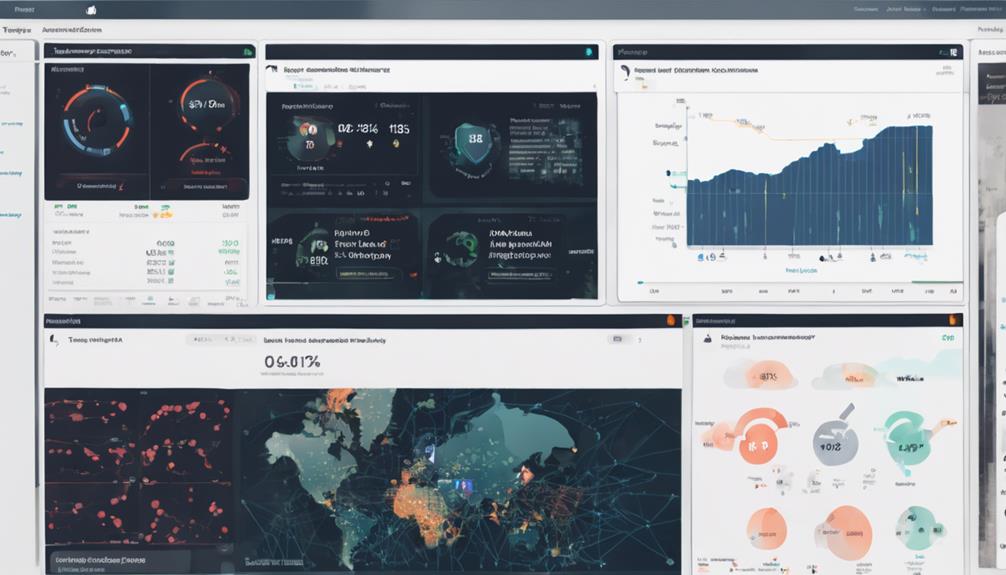
Machine learning techniques employed in cybersecurity play a pivotal role in identifying and mitigating potential threats within network environments. By leveraging AI algorithms to analyze network traffic, cybersecurity systems can proactively detect anomalies and unusual behavior, enhancing threat intelligence for a more secure environment.
These techniques utilize historical data to identify patterns and trends, enabling the detection of known attack patterns and clustering potential threats based on complexity for better risk assessment. Through machine learning, cybersecurity professionals can build a hierarchy of threats, allowing for a more efficient response to cyber threats.
This approach not only aids in threat detection but also helps in improving overall security posture by staying ahead of emerging threats. By embracing machine learning for threat detection, organizations can greatly enhance their cybersecurity defenses and safeguard their digital assets more effectively.
Enhancing Incident Response With AI
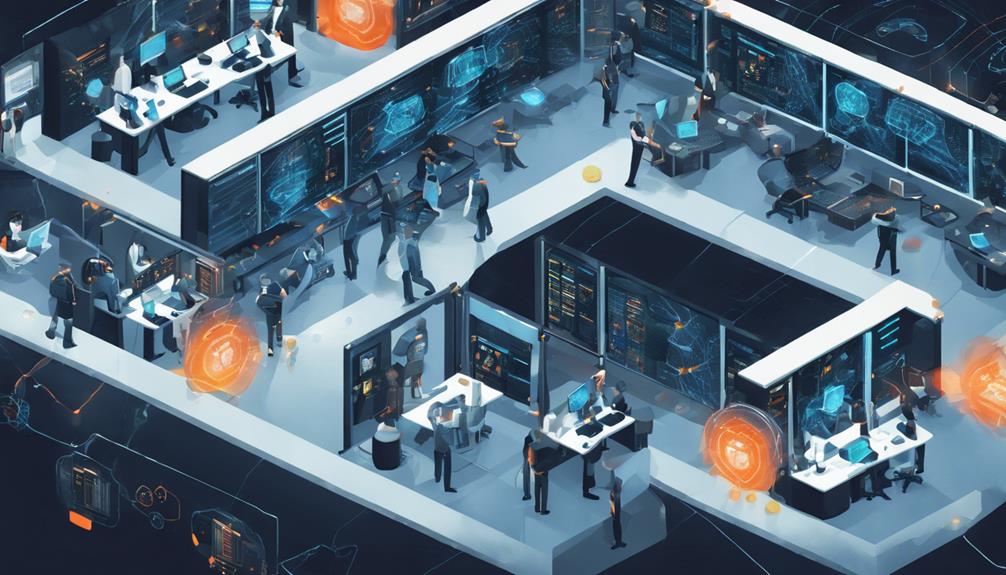
Moreover, utilizing AI technologies in incident response revolutionizes the efficiency and effectiveness of handling security breaches by leveraging advanced data analysis capabilities. Machine learning algorithms embedded in AI-powered systems can detect anomalies in real-time, allowing for swift identification and response to potential threats.
This automation of response actions based on predefined rules streamlines incident resolution processes, ensuring a proactive approach to cybersecurity incidents. Additionally, AI can prioritize alerts and escalate them to the appropriate stakeholders, facilitating efficient incident management by focusing resources where they are most needed.
Moreover, AI enhances decision-making during incident response by providing valuable insights and recommendations drawn from past incidents. By learning from historical data, AI continuously improves incident response strategies, making them more effective and adaptive to evolving cyber threats.
Incorporating AI into incident response not only boosts the speed of resolution but also enhances the overall security posture of organizations.
Leveraging AI in Security Operations

Incorporating artificial intelligence (AI) into security operations revolutionizes threat detection and response capabilities. By leveraging machine learning (ML) algorithms, AI can analyze vast amounts of data to identify patterns of suspicious behavior, enabling proactive threat mitigation. This ability to quickly identify potential threats in networks enhances overall security measures greatly.
Furthermore, AI automates repetitive security tasks, allowing human analysts to focus on more complex threats that require human intervention.
Security operations centers (SOCs) powered by AI can adapt to dynamic environments in real-time, leading to faster incident response times and an improved cybersecurity posture overall.
Future Trends in AI for Cybersecurity

The future trajectory of AI in cybersecurity entails the evolution towards countering advanced cyber threats through innovative technologies and strategies. As the landscape of cybersecurity continues to evolve, here are three key trends shaping the future of AI in cybersecurity:
- Integration with Diverse Security Aspects:
AI and Machine Learning are increasingly being integrated with IoT, cloud security, and endpoint protection to enhance overall cybersecurity defenses and enable proactive threat detection in the face of large volumes of data.
- Significant User Behavior Analysis:
AI plays a significant role in analyzing user behavior patterns to detect anomalies and potential threats, enabling cybersecurity professionals to conduct more effective threat analysis and respond promptly to adversarial attacks.
- Explainable AI and Autonomous Security Operations:
The adoption of Explainable AI is gaining momentum, improving transparency in complex machine learning models. Additionally, AI-driven autonomous security operations centers (ASOCs) are on the rise, automating threat response mechanisms and policy enforcement while facilitating collaboration between AI systems and human experts to develop adaptive cybersecurity strategies.
Frequently Asked Questions
How Is AI and Machine Learning Used in Cyber Security?
AI and machine learning in cybersecurity entail anomaly detection, predictive analytics, phishing detection, automated threat response, and vulnerability management. These technologies enhance threat detection, predict cyber-attacks, and improve overall security by efficiently identifying potential threats and mitigating risks.
Can I Combine AI and Cyber Security?
Yes, the integration of AI in cybersecurity enhances threat detection, response, and mitigation capabilities. Leveraging AI technologies automates tasks, predicts cyber threats, and improves overall security posture. Combining AI with cybersecurity is a recommended approach for robust protection.
Will AI and ML Play a Role in the Future of Cybersecurity?
AI and ML are poised to have a substantial impact on the future of cybersecurity by enhancing defense mechanisms, predicting threats, and improving security postures. These technologies will play a pivotal role in mitigating risks and safeguarding critical infrastructure.
What Is the Intersection of AI and Cybersecurity?
In the intricate dance between artificial intelligence and cybersecurity, AI amplifies threat detection capabilities by unraveling patterns in the digital tapestry, revealing hidden vulnerabilities and fortifying defenses with predictive prowess.
Conclusion
To sum up, the integration of AI and machine learning in cybersecurity is a game-changer, revolutionizing the way organizations detect and respond to threats.
The power of these technologies to analyze vast amounts of data and adapt to evolving threats is unparalleled.
As we move forward, the future of cybersecurity will be shaped by the continued advancements in AI, creating a more secure digital environment for all.
The possibilities are endless, and the impact is immeasurable.
Fall Picks
fall essentials
As an affiliate, we earn on qualifying purchases.