Two-factor authentication (2FA) is a simple yet powerful way to protect your online accounts from hacking. It adds an extra layer of security, making it much harder for cybercriminals to access your personal information. With options like text codes, biometrics, or push notifications, you can boost your defenses quickly. Most users and companies are adopting 2FA because it substantially reduces the risk of data breaches. Keep going to discover how you can easily set up and maximize this essential security measure.
Key Takeaways
- 2FA significantly reduces the risk of cyber-attacks by blocking 99.9% of automated hacking attempts.
- Using methods like push notifications or biometric verification makes 2FA both secure and user-friendly.
- Over two-thirds of users and most large companies now adopt MFA to protect sensitive data.
- Combining 2FA with strong passwords and cybersecurity awareness enhances overall digital security.
- Implementing 2FA is a cost-effective, easy step to prevent costly data breaches and identity theft.

Ever wonder how you can better protect your online accounts from cyber threats? Two-factor authentication (2FA) is a simple yet powerful tool that can substantially improve your security. It requires you to provide two forms of identification before accessing your accounts—something you know, like a password, and something you possess, such as a mobile device or a one-time code. This extra step acts as a barrier against unauthorized access, even if your password gets stolen or compromised. It’s an effective identity and access management method, especially when extended to multi-factor authentication (MFA), which involves adding more security layers for high-stakes accounts.
Research shows 2FA blocks 99.9% of automated attacks, according to a Microsoft 2019 report, and MFA prevents about 99% of automated hacking attempts. These stats reveal how 2FA can neutralize most cyber threats, including phishing, data breaches, and brute-force attacks. If your password is stolen, the second verification step acts like a digital lock, preventing hackers from gaining access. In fact, 2FA can prevent up to 80% of cyber-attacks and eliminate a large chunk of common data breach threats. As of early 2023, two-thirds of users employ MFA, highlighting its growing importance in cybersecurity.
2FA blocks 99.9% of automated attacks, enhancing your online security significantly.
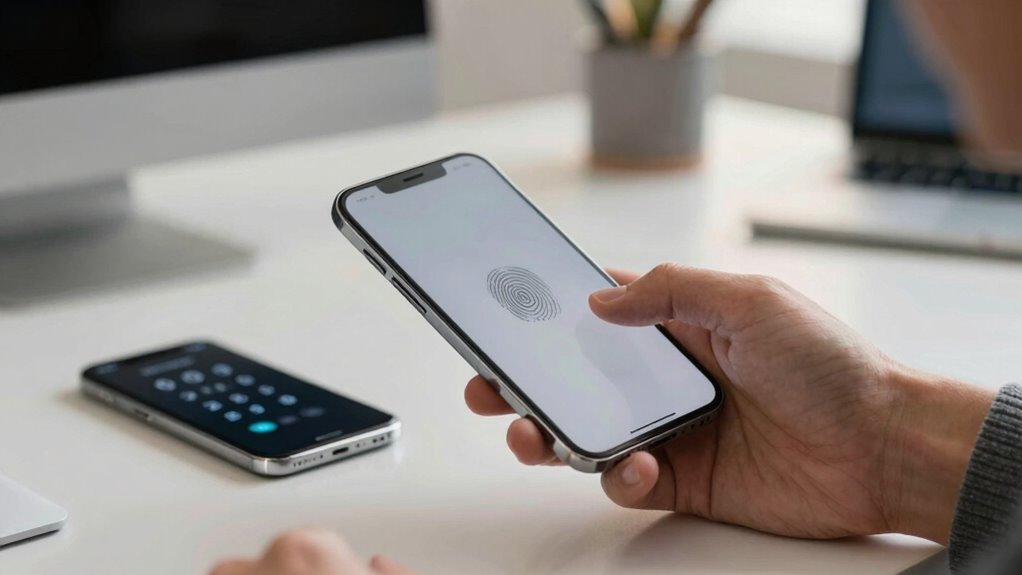
Adopting 2FA is easier than you think, and many methods are available. The most common include receiving a one-time code via SMS, email, or using push notifications from authentication apps. Soft tokens and biometric methods like fingerprint or facial recognition are becoming more prevalent and are projected to make up 45% of MFA methods by 2025. Trusted devices can bypass repeated verification, but unusual login locations will trigger additional security checks. These passcodes are generated to be unique and time-limited, ensuring they can’t be reused or guessed. Multiple authentication methods ensure that users can choose the most convenient and secure option for their needs.
Implementing 2FA not only protects your personal data but also demonstrates your commitment to cybersecurity, especially for businesses. For organizations, 78% of companies with 1,001 to 10,000 employees use MFA, and many sectors like healthcare, finance, and government prioritize high-security measures. Even smaller businesses are starting to adopt MFA despite lower percentages. It’s essential because 2FA guards against social engineering and phishing scams, though it’s not foolproof against all threats. Pairing 2FA with complex passwords and constant monitoring creates a more resilient defense. Additionally, cybersecurity awareness plays a critical role in maximizing the effectiveness of 2FA.
Ultimately, 2FA is an accessible, cost-effective way to secure your digital life. Its effectiveness against automated attacks, combined with ease of use and increasing adoption, makes it one of the best security measures available today. By enabling 2FA on your accounts, you add an indispensable layer of protection that could save you from costly cyber breaches and keep your online presence safer.
Frequently Asked Questions
Can 2FA Be Bypassed by Hackers?
Yes, hackers can sometimes bypass 2FA through methods like phishing, SIM swapping, or exploiting vulnerabilities in specific systems. They might trick you into giving away your verification codes or hijack your phone number. While 2FA substantially boosts your security, it’s not foolproof. You should stay vigilant, use app-based authenticators over SMS, and keep your devices secure to maximize protection against these bypass techniques.
What Are the Best Methods for Implementing 2FA?
Think of implementing 2FA like building a castle wall around your digital kingdom. To do it best, use app-based authenticators like Google Authenticator or Authy, which generate time-sensitive codes. Enable push notifications for quick access, and consider biometric options like fingerprint or facial recognition for added security. Avoid SMS codes alone, as they’re more vulnerable. Combining these methods creates a fortress that’s tough for hackers to breach.
How Does 2FA Impact User Convenience?
You’ll find 2FA adds a small step to your login process, but it considerably boosts security. While it may seem like an extra hassle, most methods like push notifications or biometrics are quick and easy to use. You’ll appreciate the peace of mind knowing your accounts are protected. To keep it simple, choose user-friendly options that fit your routine, balancing security with convenience.
Is 2FA Necessary for All Types of Accounts?
You should use 2FA for most accounts because it’s highly effective—Google reports it blocks 100% of automated bot hacks. While not every account may need it, adding 2FA considerably boosts your security. For sensitive accounts like banking or work-related platforms, it’s essential. Even less critical accounts benefit from it, protecting you from breaches, stolen passwords, and unauthorized access, making your digital life much safer overall.
What Are Common Challenges in Adopting 2FA?
You might face challenges like user resistance, as some find 2FA inconvenient or confusing. Technical issues can also occur, especially with older devices or unreliable networks. Small businesses might lack resources to implement it smoothly. Additionally, awareness gaps mean some users don’t understand its importance, leading to lower adoption. Overcoming these obstacles requires clear communication, user-friendly options, and emphasizing the security benefits to encourage consistent use.
Conclusion
Implementing two-factor authentication is like adding a sturdy lock to your digital door—it might seem simple, but it’s your best defense against unwanted intruders. By taking this small step, you turn your accounts into a fortress, making hacking much harder for cybercriminals. Don’t leave your online world vulnerable; embrace this easy hack today and keep your personal information safe. Remember, a little security goes a long way in protecting what matters most.