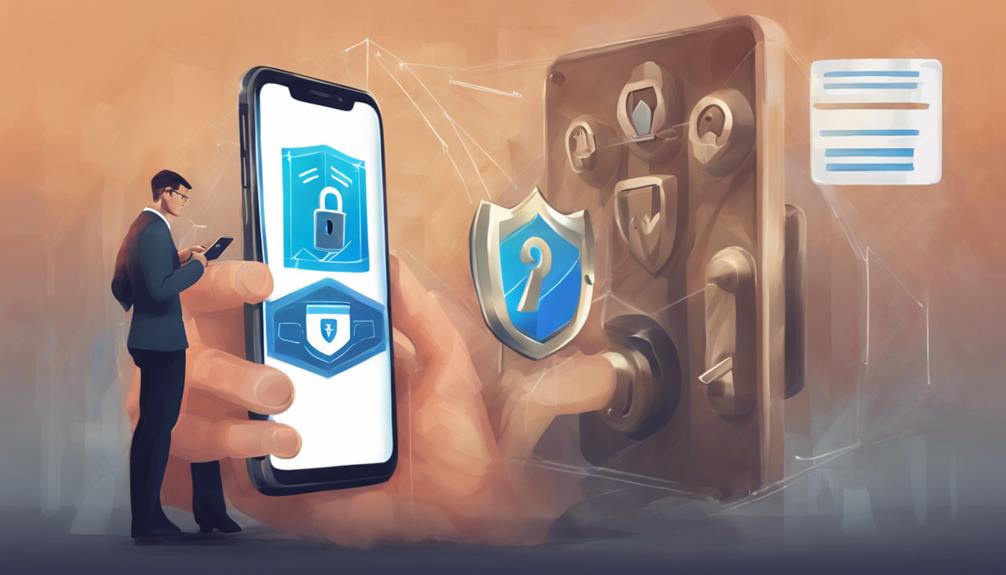

Data breaches can hit your organization hard financially, affecting your reputation and customer trust. You might face regulatory fines, increased insurance premiums, and costly recovery efforts. Implementing strong defense measures—like employee training and cyber insurance—can save you money in the long run by reducing these risks markedly. A proactive approach not only helps maintain stability but also ensures long-term viability in today’s digital landscape. There’s more to explore about how to secure your assets effectively.

Get privacy and security gear delivered free with Prime
- Fast, free delivery on millions of items
- Prime Video, Amazon Music and more included
- Member-only deals all year
Key Takeaways
- Data breaches lead to significant financial repercussions, including fines, legal fees, and long-term reputational damage that can diminish customer trust and revenue.
- Cyber insurance serves as a financial safety net, covering expenses related to breaches and aiding organizations in recovering from costly incidents.
- Employee training significantly reduces human error, a major vulnerability, and fosters a security-conscious culture that enhances overall cybersecurity defense.
- The costs of data breaches extend beyond immediate losses, including regulatory fines, increased insurance premiums, and potential lawsuits from affected stakeholders.
- Implementing proactive security measures, such as regular assessments and robust training programs, ensures organizational resilience and long-term viability in a digital landscape.

How vulnerable is your organization to data breaches? In today’s digital landscape, the threat is more real than ever. It’s essential to assess your vulnerability, as the cost of a data breach can be staggering. Not only do you face potential fines and legal fees, but the damage to your reputation can lead to a loss of customer trust and, ultimately, revenue. You can’t afford to take this lightly.
One effective way to mitigate these risks is through cyber insurance. This financial safety net can cover costs associated with data breaches, including legal fees, notification costs, and even public relations efforts to repair your brand image. While investing in cyber insurance may seem like an additional expense, it’s a prudent move that can save your organization from financial turmoil. Think of it as a safety net that protects your assets and enables you to focus on recovery instead of worrying about mounting bills.
Investing in cyber insurance is a wise choice that safeguards your organization from costly breaches and supports your recovery efforts.
However, having cyber insurance isn’t enough. You need to make sure your employees are trained to recognize potential threats. Employee training is an indispensable component in your defense strategy. Human error is often the weakest link in cybersecurity; a single click on a phishing email could compromise your entire system. By implementing regular training sessions, you empower your staff to identify suspicious activities and respond appropriately. This not only reduces the likelihood of a breach but also creates a culture of security within your organization.
The costs associated with data breaches extend beyond immediate financial losses. You might face regulatory fines, increased insurance premiums, and potential lawsuits from affected customers. By proactively investing in employee training and securing cyber insurance, you can markedly reduce these risks. It’s about being proactive, not reactive. When your team is equipped with the knowledge to prevent breaches, and you have cyber insurance backing you up, your organization is far less vulnerable. Additionally, fostering a culture of mindfulness and presence within your organization can significantly enhance your team’s ability to respond to cyber threats effectively.
Don’t wait until it’s too late. Take action today to safeguard your business against the potentially devastating costs of data breaches. Assess your existing cybersecurity measures, invest in thorough employee training, and secure a robust cyber insurance policy. By doing so, you’re not just protecting your organization; you’re ensuring its long-term viability in an increasingly complex digital world. Your future success depends on it.
Frequently Asked Questions
What Types of Data Are Most Commonly Targeted in Breaches?
The most commonly targeted data in breaches includes personal identifiers and financial information. Cybercriminals often seek names, Social Security numbers, and addresses to commit identity theft. They’re also after credit card numbers, bank account details, and other financial records to make fraudulent transactions. By understanding these targets, you can take steps to secure your sensitive information and reduce the risk of falling victim to a data breach. Protecting yourself is key!
How Can Small Businesses Protect Themselves From Data Breaches?
Imagine your business as a fortress, standing tall against invisible invaders. To protect it, you need to invest in employee training, turning your team into vigilant sentinels. Equip them with the knowledge to spot phishing attacks and suspicious activity. Complement this with robust cybersecurity tools, like firewalls and antivirus software, creating a multi-layered defense. Together, these strategies shield your business from data breaches, ensuring your fortress remains secure and thriving in the digital age.
What Are the Long-Term Effects of a Data Breach on a Company?
A data breach can seriously hurt your company in the long run. You’ll face reputation damage as customers lose trust in your ability to protect their information. This can lead to declining sales and brand loyalty. Additionally, you might encounter legal repercussions, including fines and lawsuits, which can drain your financial resources. Overall, the lasting impact can hinder growth opportunities and make it tougher for you to recover and rebuild.
Are There Specific Industries More Prone to Data Breaches?
You’ll find that industries like healthcare, finance, and retail are more prone to data breaches. These sectors often deal with sensitive information, making them prime targets. The breach patterns reveal that attackers exploit industry vulnerabilities, such as outdated systems or weak security measures. As you navigate this landscape, staying informed about these trends can help you better protect your data and mitigate risks effectively.
How Can Employees Help Prevent Data Breaches in Their Organization?
You can help prevent data breaches by actively participating in employee training programs and adhering to password security protocols. Stay updated on the latest phishing tactics and cybersecurity practices, as this knowledge empowers you to recognize potential threats. Always use strong, unique passwords and change them regularly. Encourage your colleagues to do the same, fostering a culture of security awareness within your organization that strengthens defenses against breaches. Your vigilance is vital!
Conclusion
In today’s digital landscape, ignoring data breaches is like leaving your front door wide open; you invite trouble in. A recent study found that the average cost of a data breach can soar to over $4 million. By investing in robust defense systems, you’re not just safeguarding your data; you’re also saving money in the long run. Think of it as paying for a sturdy lock rather than dealing with the devastating aftermath of a break-in.
Columbus Day / Indigenous Peoples' Day Picks
long weekend sales
As an affiliate, we earn on qualifying purchases.