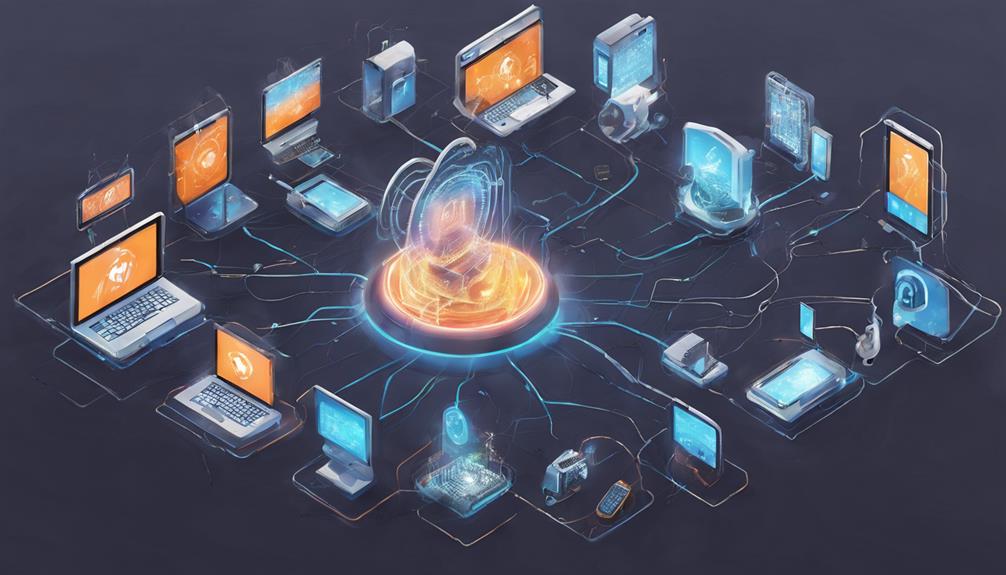

Cyber threat intelligence empowers you to stay ahead of cybercriminals by anticipating attacks before they strike. By analyzing malware and attributing threats, you gain insights into attackers’ motives and methods. This proactive approach helps you identify potential threats and bolster your defenses, enhancing your overall security posture. Staying informed and cultivating vigilance guarantees you’re prepared for the evolving landscape of cyber threats. Discover more about how to strengthen your defenses and protect your organization.
Key Takeaways
- Cyber threat intelligence enables proactive identification of potential threats, allowing organizations to strengthen defenses before attacks occur.
- Malware analysis uncovers cybercriminal tactics, aiding in the development of tailored security measures against specific vulnerabilities.
- Threat attribution helps organizations understand attacker motives and profiles, enhancing defense strategies and predicting future attack patterns.
- Combining malware analysis and threat attribution provides insights into attacker behavior, facilitating proactive adjustments to cybersecurity defenses.
- Staying informed through threat intelligence feeds and expert partnerships fosters a culture of vigilance and continuous learning within organizations.

How can you stay one step ahead of cybercriminals in today’s digital landscape? The answer lies in understanding and utilizing cyber threat intelligence effectively. By incorporating techniques like malware analysis and threat attribution into your security strategy, you can identify potential threats before they become actual problems. This proactive approach not only helps you secure your systems but also allows you to understand the motivations and methods of attackers.
Malware analysis is a critical component of cyber threat intelligence. It involves examining malicious software to understand its behavior, origin, and potential impact. By analyzing malware, you can develop a clearer picture of how cybercriminals operate. You’ll learn about their tactics, techniques, and procedures, enabling you to build defenses tailored to your specific vulnerabilities. Regularly conducting malware analysis on any suspicious files or behavior can help you spot threats early, giving you the chance to neutralize them before they wreak havoc.
Malware analysis reveals cybercriminals’ tactics, enabling tailored defenses and early threat detection to protect your systems.
Another vital aspect of staying ahead is threat attribution. This involves identifying who’s behind a cyber attack and understanding their motives. Knowing the actors behind specific threats can greatly enhance your organization’s defense strategy. By understanding the profiles of these attackers—whether they’re part of a larger group, state-sponsored, or independent hackers—you can tailor your security measures accordingly. You’ll find it easier to predict their next moves and prepare your environment to withstand potential attacks.
Combining malware analysis with threat attribution creates a powerful synergy. When you analyze malware and attribute it to specific threat actors, you gain invaluable insights. You can anticipate future attacks based on the historical behavior of these groups and adjust your defenses proactively. This isn’t just about reaction; it’s about preparation. You can create a more resilient cybersecurity posture that adapts to evolving threats.
Furthermore, staying informed about the latest trends in cyber threats is essential. Cybercriminals are always innovating, and the landscape is constantly shifting. Engaging with cyber threat intelligence feeds, participating in industry forums, and leveraging partnerships with cybersecurity experts can keep you ahead of the curve. By fostering a culture of vigilance and continuous learning within your organization, you guarantee that your team is ready to address emerging threats effectively. Additionally, embracing holistic approaches to well-being can contribute to a more resilient mindset against cyber threats.
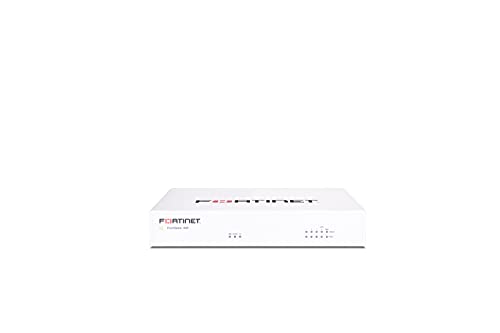
FortiGate-40F Firewall Appliance - 5 Gigabit Ethernet RJ45 Ports, Ideal for Small Businesses (Appliance Only, No Subscription) (FG-40F)
Compact and Efficient Design: The FortiGate 40F is designed for small to mid-sized businesses and enterprise branch offices,...
As an affiliate, we earn on qualifying purchases.
Frequently Asked Questions
How Do I Start Implementing Cyber Threat Intelligence in My Organization?
To start implementing cyber threat intelligence in your organization, begin by establishing a threat hunting team. This team should focus on proactively searching for vulnerabilities and potential threats within your systems. Next, integrate threat intelligence into your incident response plan, ensuring your team can quickly identify and mitigate incidents. Regularly update your intelligence sources and conduct training sessions to keep everyone informed about the latest threats, enhancing your organization’s overall security posture.
What Tools Are Best for Gathering Cyber Threat Intelligence?
To gather effective cyber threat intelligence, you should consider tools like MISP for sharing threat data, and OpenCTI for contextualizing intelligence. Additionally, leverage open source intelligence (OSINT) tools such as Maltego and theHarvester to collect valuable information. For malware analysis, tools like Cuckoo Sandbox and VirusTotal can help you dissect and understand threats. By integrating these tools, you’ll enhance your organization’s ability to anticipate and mitigate cyber threats effectively.
How Often Should I Update My Threat Intelligence Data?
Imagine waking up to a dark storm, knowing your defenses are weak. You should update your threat intelligence data at least monthly, but consider a more frequent schedule if you’re in a high-risk environment. Keeping an eye on threat data frequency guarantees you’re always a step ahead. Set an intelligence update schedule that aligns with your needs, allowing you to shield your organization from potential cyber attacks lurking in the shadows.
Can Small Businesses Benefit From Cyber Threat Intelligence?
Absolutely, small businesses can benefit greatly from cyber threat intelligence. By leveraging threat intelligence, you enhance your small business security and stay ahead of potential attacks. This proactive approach helps you identify vulnerabilities and prioritize resources effectively. You’ll gain insights into emerging threats specific to your industry, allowing you to implement tailored security measures. Ultimately, investing in threat intelligence can substantially reduce risks and safeguard your business’s valuable assets.
What Skills Are Needed for a Career in Cyber Threat Intelligence?
To succeed in cyber threat intelligence, you’ll need a mix of analytical thinking and technical skills. As the saying goes, “You can’t see the forest for the trees,” so clarity in data analysis is vital. Pursuing cybersecurity certifications enhances your credibility and knowledge. Familiarity with threat modeling, incident response, and tools like SIEM also helps. Keep honing your skills, stay updated on trends, and you’ll be well on your way in this field!

FortiGate-100F Firewall Appliance - 22 Gigabit Ethernet RJ45 Ports, 4 SFP & 2 10G SFP+ Ports, Dual Power Supplies (Appliance Only, No Subscription) (FG-100F)
Comprehensive Connectivity and Redundancy: The FortiGate 100F Firewall Appliance features an extensive array of connectivity options including 22...
As an affiliate, we earn on qualifying purchases.
Conclusion
As you navigate the ever-evolving digital landscape, remember that the shadows of cyber threats grow ever closer. By harnessing cyber threat intelligence, you’re not just reacting; you’re anticipating. You hold the power to stay one step ahead, but the clock is ticking. Will you be prepared when the next attack looms on the horizon? The choice is yours—stay vigilant, or risk becoming the next victim in this relentless game of cat and mouse.
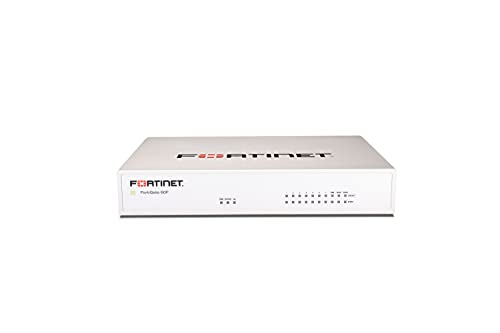
FortiGate-60F Firewall Appliance - 10 Gigabit Ethernet RJ45 Ports, Includes DMZ, WAN & Internal Ports (Appliance Only, No Subscription) (FG-60F)
Extensive Connectivity Options: The FortiGate 60F is designed with 10 GE RJ45 ports, including 2 WAN ports, 1...
As an affiliate, we earn on qualifying purchases.

Zyxel USGFLEX100H Cyber Security Firewall | 4 Gbps, Up to 50 Users | Hardware Only | 8X Gigabit Ports | IPSec/SSL VPN, IPS Anti-Malware, UTM | Nebula Cloud | Fanless | TAA Compliant
MULTI-LAYERED SECURITY HARDWARE: Reputation filtering (IP/DNS/URL) and SecuReporter visibility included in Entry Defense Pack, while the optional Gold...
As an affiliate, we earn on qualifying purchases.