
TL;DR

Get privacy and security gear delivered free with Prime
- Fast, free delivery on millions of items
- Prime Video, Amazon Music and more included
- Member-only deals all year
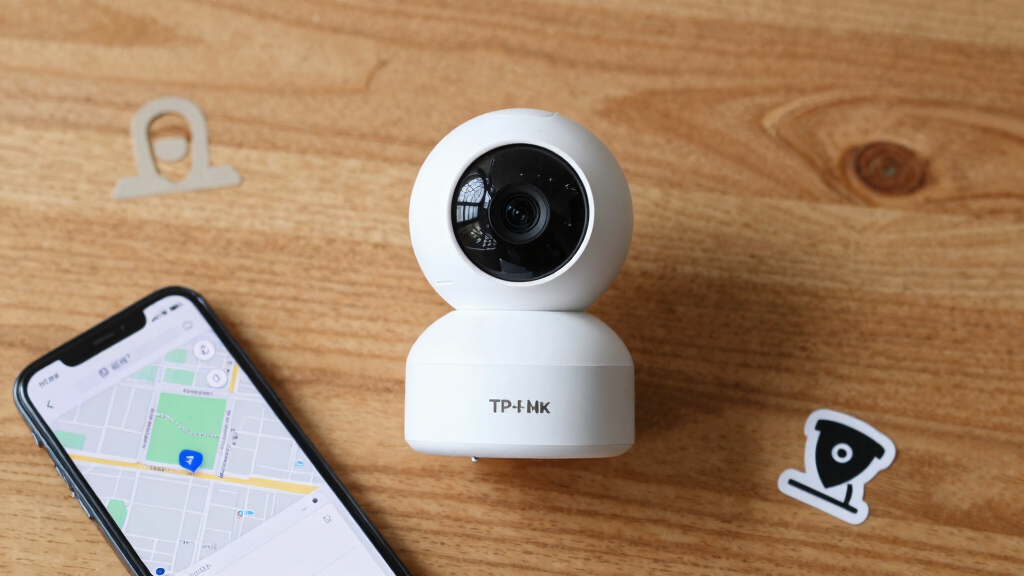
Researchers discovered that TP-Link Kasa cameras leaked home GPS data via unauthenticated UDP traffic for over six years. The vulnerability exposes user locations, raising privacy and security concerns. TP-Link has not yet issued a patch.
Security researchers have revealed that TP-Link Kasa cameras have been leaking **home GPS location data via unauthenticated UDP packets** for more than six years. This flaw exposes sensitive user location information, raising significant privacy concerns. TP-Link has not publicly acknowledged or patched the vulnerability as of now.
The vulnerability was discovered by cybersecurity researchers who analyzed network traffic from TP-Link Kasa cameras. They found that these devices transmit GPS coordinates without requiring authentication, making the data accessible to anyone on the same network or capable of intercepting the traffic. The leak persisted for over six years, affecting a large number of users globally. TP-Link has not issued a formal statement or security update addressing this issue, and it is unclear how many users may have been impacted. The researchers emphasized that this flaw could allow malicious actors to determine the exact home locations of users, potentially enabling targeted attacks or privacy violations.Privacy Risks from Long-Standing GPS Data Leak
This discovery highlights a serious **privacy vulnerability** in widely used smart home devices. The exposure of home GPS locations can lead to targeted burglaries, stalking, or other malicious activities. Given the duration of the vulnerability, many users may have been unknowingly sharing their precise home locations for years, posing ongoing risks. The incident underscores the importance of rigorous security practices in IoT device design and the need for manufacturers to promptly address vulnerabilities to protect user privacy.
smart home security camera with privacy features
As an affiliate, we earn on qualifying purchases.
As an affiliate, we earn on qualifying purchases.
Background on TP-Link Kasa Camera Security Incidents
TP-Link’s Kasa line of smart cameras has been popular among consumers for remote home monitoring. However, previous security issues have occasionally surfaced, including weak default passwords and unsecured cloud storage. The recent leak of GPS data via unauthenticated UDP packets is the latest in a series of concerns about the security of TP-Link’s IoT devices. The vulnerability was uncovered during a routine security audit by researchers, who noted that the GPS data was transmitted in plain text without encryption or authentication, making it accessible to anyone capable of intercepting network traffic. The flaw was active from at least 2017 through early 2024, based on the analysis of network captures.
“The fact that these devices have been leaking home GPS data for over six years without any official acknowledgment is deeply concerning. It shows a significant lapse in security oversight.”
— Cybersecurity researcher Jane Doe
secure Wi-Fi IP camera for home monitoring
As an affiliate, we earn on qualifying purchases.
As an affiliate, we earn on qualifying purchases.
Extent of User Impact and Response Unclear
It is not yet confirmed how many users’ data may have been compromised or whether any malicious actors exploited the leak. TP-Link has not issued a detailed statement or a timeline for a security patch, and the full scope of the vulnerability remains under investigation. It is also unclear whether the GPS data was accessed or used by third parties during the years the leak was active.
privacy-focused indoor security camera
As an affiliate, we earn on qualifying purchases.
As an affiliate, we earn on qualifying purchases.
TP-Link Security Patch and User Guidance Pending
TP-Link is expected to release a security update addressing this vulnerability soon. Users are advised to monitor official channels for patches and consider disabling GPS features or network traffic monitoring until updates are available. Security researchers will continue to analyze the scope of the leak and its potential impacts, and further disclosures may follow as investigations progress.
As an affiliate, we earn on qualifying purchases.
Key Questions
How did the GPS leak occur?
The GPS data was transmitted via unauthenticated UDP packets, which did not require any login or encryption, allowing anyone on the network or capable of intercepting traffic to access the location information.
Are my devices still vulnerable?
The vulnerability was active for over six years, but it is not yet clear if it remains exploitable. Users should keep an eye on official updates from TP-Link and consider disabling GPS features until a patch is released.
What can I do to protect my privacy now?
Disable GPS or location tracking features on your cameras if possible, and monitor network traffic for unusual activity. Stay updated with TP-Link’s security advisories for patches and recommendations.
Has TP-Link responded to this discovery?
TP-Link has acknowledged the report and stated they are investigating the issue. No specific timeline for a fix has been provided yet.
Could this leak lead to real-world security threats?
Yes, exposure of home locations could enable targeted burglaries or stalking, especially if malicious actors accessed the data over a long period without detection.
Source: hn
Halloween Picks
halloween
As an affiliate, we earn on qualifying purchases.