
TL;DR

Get privacy and security gear delivered free with Prime
- Fast, free delivery on millions of items
- Prime Video, Amazon Music and more included
- Member-only deals all year
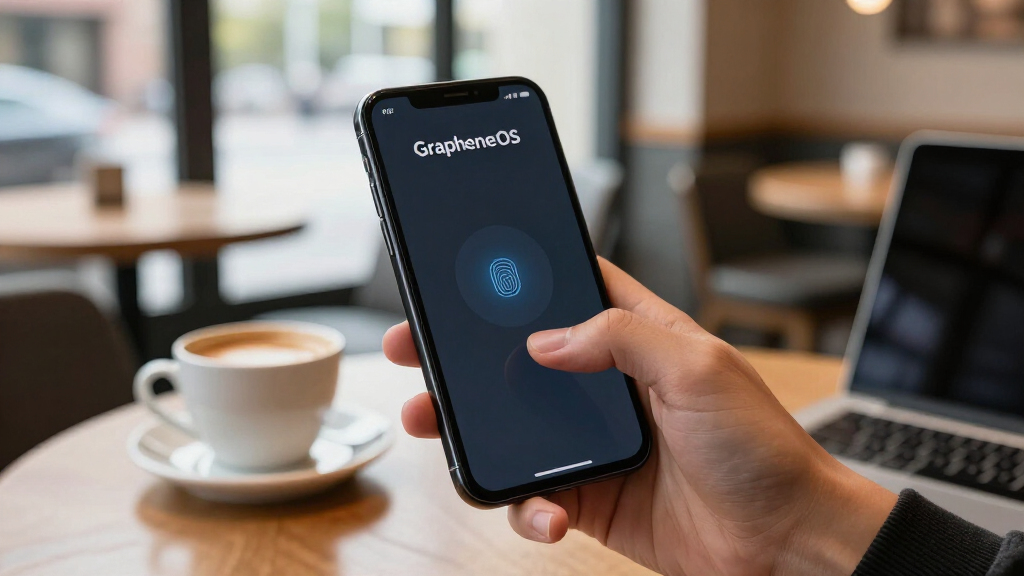
GrapheneOS has implemented new security features aimed at preventing data extraction from locked devices. This development enhances user privacy and device security, especially against forensic attacks. The effectiveness and scope of these protections are still being evaluated.
GrapheneOS has introduced new security features aimed at preventing data extraction from locked devices, a move that could significantly improve user privacy and device security. The update, announced in March 2024, targets forensic techniques used to access data without unlocking the phone, a concern for privacy advocates and security professionals.
The new protections include modifications to the operating system’s handling of encrypted data and improvements in the security protocols that activate when a device is in a locked state. According to GrapheneOS developers, these measures are designed to thwart common forensic methods such as memory extraction and hardware-based attacks, which often rely on accessing data while the device is locked or powered down.
Sources familiar with the update confirm that these protections are built into the latest version of GrapheneOS, an open-source Android-based operating system known for its focus on security and privacy. The developers state that these features are intended to make it significantly more difficult for unauthorized parties to extract usable data from a locked device, even with physical access.
Impact of GrapheneOS’s New Security Measures
This development matters because it enhances the security and privacy of users who rely on GrapheneOS for sensitive communications and data protection. By reducing the risk of forensic extraction, these protections could deter malicious actors, law enforcement, or government agencies from extracting data without proper authorization. It also sets a precedent for other mobile OS developers to strengthen their security against physical data extraction techniques.
Products Worth Considering

DJI Osmo Mobile 8 Standard Combo Phone Gimbal Stabilizer

DJI Osmo Mobile 8 Phone Gimbal with Mic Mini Transmitter, Infinity Black

DJI Osmo Mobile 7P with Mic Mini TX (Infinity Black) Gimbal Stabilizer
As an affiliate, we earn on qualifying purchases.
Background on Data Extraction and Mobile Security
Data extraction from locked mobile devices has long been a concern for privacy advocates and security experts. Techniques such as cold boot attacks, memory scraping, and hardware-based exploits have been used to access encrypted data without unlocking the device. GrapheneOS, since its inception, has been recognized for its emphasis on security, regularly updating its features to counter emerging threats. The recent enhancements follow a series of developments aimed at closing vulnerabilities exploited by forensic tools.
“Our latest update significantly raises the bar for physical data extraction, making it much more difficult for attackers to retrieve usable data from a locked device.”
— GrapheneOS developers
Extent and Limitations of the New Protections
It is not yet clear how effective these protections are against the most advanced forensic techniques or whether they are resistant to hardware-level exploits. Experts caution that determined adversaries with access to specialized equipment may still find ways to bypass some protections. The developers have not disclosed detailed technical specifications, and independent testing is ongoing.
Monitoring and Testing of Security Enhancements
Researchers and security professionals will evaluate the effectiveness of these protections in the coming months. GrapheneOS plans to continue updating its security features, responding to new threats as they emerge. Users and organizations relying on GrapheneOS are advised to stay informed about future updates and conduct independent security assessments.
Key Questions
Can these protections prevent all forms of data extraction?
While the protections significantly increase security, no system can guarantee complete immunity against all extraction methods, especially with advanced hardware attacks.
Are these features available on all devices running GrapheneOS?
These protections are part of the latest version of GrapheneOS and are available on supported devices that have received the update.
Will these protections affect device performance or usability?
According to the developers, the security enhancements are designed to be transparent to users and should not impact device performance significantly.
How do these protections compare to other security features in mainstream Android or iOS?
GrapheneOS’s focus on security often exceeds that of standard Android or iOS, especially regarding physical data extraction protections, but the effectiveness varies depending on the attack method.
Source: hn
![Paged Out #9 [Pdf]](https://hacknjill.com/wp-content/uploads/2026/07/paged-out-9-pdf-featured-560x300.jpg)