
TL;DR

Get privacy and security gear delivered free — and shop member deals
- Fast, free delivery on millions of items
- Access to Prime Big Deal Days deals on October 6–7
- Prime Video, Amazon Music and more included
A US citizen was charged after their GrapheneOS phone automatically wiped itself during an airport security scan. Authorities are investigating whether the device’s security features caused the wipe. The incident raises questions about privacy and security at airports.
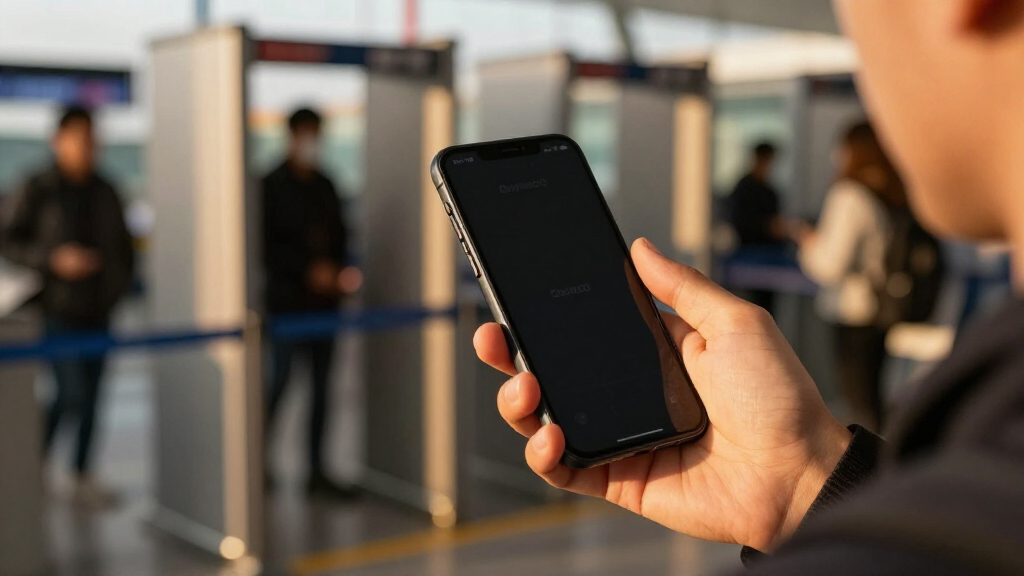
A US citizen has been formally charged after their GrapheneOS phone automatically wiped during an airport security scan. The incident, which took place at an undisclosed airport, has prompted investigations into the device’s security features and their potential impact on travelers. The charges against the individual are based on the circumstances surrounding the device wipe, which security officials say hindered their ability to access the phone’s data.
According to law enforcement sources, the incident occurred during a routine security check where the traveler’s phone was subjected to a standard screening process. During the scan, the device reportedly triggered a self-wipe function, erasing all data stored on it. The individual, whose identity has not been publicly disclosed, was subsequently detained and charged with obstruction and related offenses. The person claims they had activated security measures on their GrapheneOS device, which is known for its privacy features, including a self-destruct option designed to protect sensitive information.
Authorities confirmed that the device wipe prevented access to potentially relevant data, complicating the investigation. The person is now facing legal proceedings, with prosecutors arguing that the wipe was intentional and obstructed justice. Experts note that GrapheneOS offers advanced security options, including the ability to remotely wipe data, which can be triggered by specific security settings or malicious software.
Implications for Privacy and Security at Airports
This incident highlights the tension between individual privacy rights and security protocols at airports. GrapheneOS‘s self-wipe feature, intended to safeguard sensitive information, can also be activated unintentionally or maliciously, leading to legal complications. The case raises questions about how security agencies should handle encrypted or privacy-focused devices and whether such features could be exploited to hinder investigations.
For travelers, the case underscores the importance of understanding device security settings and the potential legal consequences of using advanced privacy tools. It also prompts a broader debate about the balance between personal privacy and national security interests in the context of digital data.
As an affiliate, we earn on qualifying purchases.
Background on GrapheneOS and Security Features
GrapheneOS is an open-source mobile operating system designed for enhanced security and privacy, often used by individuals concerned about surveillance and data protection. It includes features like verified boot, sandboxing, and a self-wipe function that can erase all data if certain security thresholds are triggered. While these features provide strong privacy protections, they can also interfere with law enforcement efforts if activated during investigations.
This is not the first time privacy-focused devices have complicated security procedures; similar incidents have occurred with other encrypted phones, leading to ongoing legal and policy debates about encryption and law enforcement access.
“The device self-wiped during screening, which prevented us from accessing critical data related to the investigation.”
— Law enforcement official
As an affiliate, we earn on qualifying purchases.
Unclear Details About Device Activation and Investigation
It is not yet confirmed whether the individual intentionally activated the self-wipe feature or if it was triggered automatically by security settings. The full scope of the investigation, including whether other devices or data are involved, remains unclear. Authorities have not disclosed whether the person’s device was compromised or if malicious software played a role.
encrypted smartphone with self-wipe feature
As an affiliate, we earn on qualifying purchases.
As an affiliate, we earn on qualifying purchases.
Next Steps in Legal and Security Review
The individual is expected to face court proceedings where the legality of the device wipe and the charges will be examined. Law enforcement agencies are reviewing security protocols for handling privacy-focused devices at airports. Further investigations are likely to explore whether the device’s self-wipe feature was activated by the user or due to technical malfunction, and whether policy changes are needed to address such incidents in the future.
As an affiliate, we earn on qualifying purchases.
Key Questions
Can a GrapheneOS device wipe itself automatically?
Yes, GrapheneOS includes a self-wipe feature that can be triggered automatically if certain security conditions are met, such as multiple failed access attempts or specific user settings.
Could this incident happen with other encrypted or privacy-focused phones?
Yes, devices with similar security features, including other encrypted phones, could also trigger self-wipe functions under certain conditions, complicating law enforcement access.
What are the legal implications of using privacy-enhancing tools at airports?
Using advanced privacy tools can lead to legal challenges, especially if they interfere with security procedures. Travelers are advised to understand the risks and legal context of such features.
Will this incident lead to policy changes at airports?
It is possible that law enforcement and security agencies will review protocols for handling encrypted and privacy-focused devices, potentially leading to new guidelines or regulations.
Is the individual’s identity known?
As of now, the person’s identity has not been publicly disclosed, and investigations are ongoing.
Source: hn
Fall Picks
fall essentials
As an affiliate, we earn on qualifying purchases.