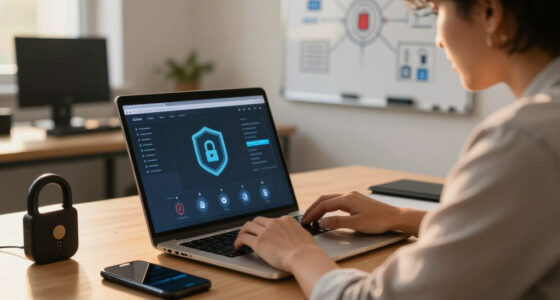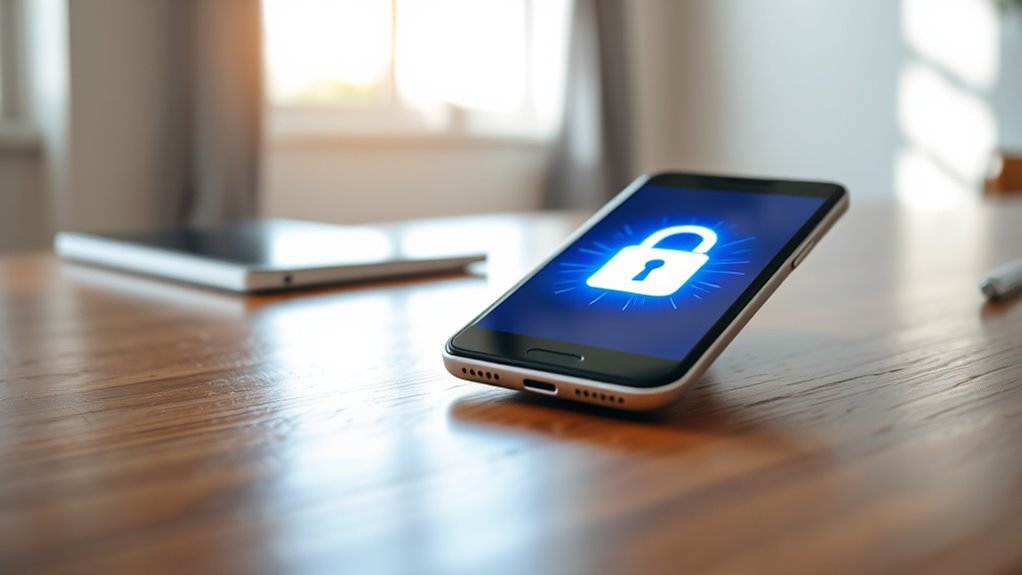

To protect your mobile life, manage app permissions by scrutinizing access requests and denying unnecessary ones. Use biometric authentication for a secure and convenient way to safeguard your device. Regularly update your operating system and apps to patch vulnerabilities and stay ahead of threats. Consider reputable mobile security apps for added protection against malware. Finally, back up your data routinely to prevent loss. There’s much more you can do to enhance your smartphone security.
Open a free Amazon Business account
Business pricing, bulk buying and tax-exempt orders.
As an affiliate, we earn on qualifying purchases.
Key Takeaways
- Manage app permissions by reviewing access requests to limit unnecessary access and enhance privacy.
- Utilize biometric authentication to add an extra security layer beyond traditional passwords.
- Regularly update your operating system and apps to protect against security vulnerabilities and threats.
- Install reputable mobile security apps to guard against malware and phishing attempts effectively.
- Back up your data frequently to ensure recovery options are available in case of theft or device malfunction.
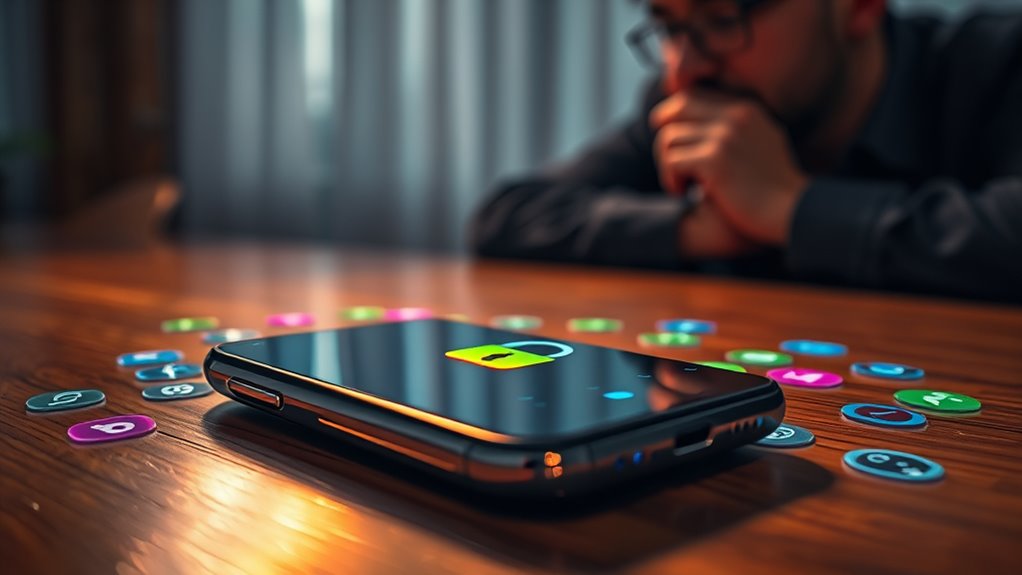
As our lives become increasingly intertwined with technology, securing your smartphone is more essential than ever. Your phone holds a treasure trove of personal information—texts, photos, banking details—so protecting it should be a top priority. One of the first steps you can take is to manage app permissions wisely. Before you download an app, take a moment to review what access it requests. Does that flashlight app really need access to your contacts or camera? Probably not. By denying unnecessary permissions, you limit the potential damage in case that app turns out to be less than trustworthy.
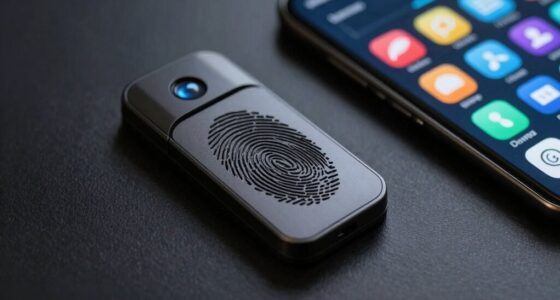
Biometric authentication is another robust layer of security that you shouldn’t overlook. With options like fingerprint scanning and facial recognition, you can make it considerably harder for someone to access your device. These features not only provide convenience but also add an extra level of protection. If you haven’t set up biometric authentication yet, now’s the time. It’s quick to enable and can save you from worrying about forgotten passwords or unauthorized access.
Regularly updating your smartphone’s operating system and apps is also essential. Developers frequently release updates to patch security vulnerabilities, and ignoring these updates can leave your device exposed. By keeping your software up-to-date, you guarantee you’re protected against the latest threats. Set your phone to update automatically, so you won’t have to think about it.
Moreover, consider using a reputable mobile security app. These apps can offer additional protection against malware and phishing attempts. They often include features like app scanning and web protection, giving you peace of mind as you browse or download new content. Just be sure to choose a well-reviewed security app from a trusted source.
Lastly, always back up your data. Whether it’s through cloud services or external storage, having a backup means you won’t lose important information in the event of theft or a malfunction. It’s a simple step that can save you a lot of stress later on. Additionally, just like how juice cleansing can support overall wellness, keeping your smartphone secure contributes to a healthier digital life.
Frequently Asked Questions
How Can I Tell if My Smartphone Is Hacked?
You can tell if your smartphone is hacked by watching for suspicious activity and unusual behavior. If your battery drains quickly, apps crash unexpectedly, or you notice unfamiliar apps, it’s a red flag. Look for strange messages or calls you didn’t make. If your device runs slow or you see pop-up ads frequently, investigate further. Regularly check your settings and installed apps to guarantee everything looks normal and secure. Stay alert!
What Should I Do if I Lose My Smartphone?
If you lose your smartphone, act quickly. First, try locating it using a tracking app. If you can’t find it, initiate a remote wipe to erase your data and protect your information. Make sure you’ve backed up your data regularly, so you don’t lose anything important. After securing your data, report the loss to your carrier and local authorities. Finally, consider changing your passwords to enhance your security.
Are Free Security Apps Safe to Use?
Did you know that nearly 70% of free security apps request permissions that go beyond what’s necessary? While some free security apps can be reliable, you need to be cautious. Check user reviews and research the app’s developer. Confirm it has a solid reputation. Always scrutinize the permissions requested; if they seem excessive, it’s best to steer clear. Investing in a reputable paid app might offer better protection and peace of mind.
Can Public Wi-Fi Compromise My Smartphone Security?
Yes, public Wi-Fi can compromise your smartphone security. When you connect to these networks, you expose yourself to public Wi-Fi risks like data interception. Hackers can easily access your sensitive information, such as passwords and personal data, using unsecured networks. To protect yourself, avoid accessing important accounts or sharing sensitive information while connected to public Wi-Fi. Consider using a virtual private network (VPN) for added security when you need to connect.
How Often Should I Update My Smartphone’s Software?
“An ounce of prevention is worth a pound of cure.” You should update your smartphone’s software regularly, ideally every time a new version is released or at least every month. Keeping an eye on the security patch schedule guarantees you’re protected from vulnerabilities. Frequent software updates not only enhance performance but also safeguard your device from threats. Don’t wait—take action to keep your smartphone secure and running smoothly!
Conclusion
In today’s digital age, keeping your smartphone secure isn’t just smart—it’s essential. By implementing strong passwords, enabling two-factor authentication, and being cautious with app downloads, you can protect your personal information from threats. For example, consider a user who fell victim to phishing and lost access to their banking app. They learned the hard way that security isn’t optional. So, stay vigilant and proactive; your mobile life deserves the best defense!
Flea & tick season Picks
flea and tick prevention
As an affiliate, we earn on qualifying purchases.