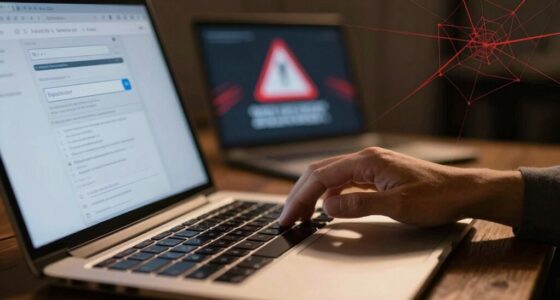
Healthcare cybersecurity is crucial for protecting patient data in today’s connected medical world. With cybercriminals targeting vulnerabilities in medical devices, you need to stay vigilant. Regular staff training on recognizing threats and using strong passwords is essential. Don’t forget to keep software updated and maintain security protocols for reporting suspicious activity. By combining advanced security tools with well-informed personnel, you can better safeguard sensitive information. There’s more to explore about strengthening your cybersecurity strategy.
Key Takeaways
- Regular staff training on cybersecurity practices enhances awareness of threats, such as phishing and device vulnerabilities, thereby protecting patient data.
- Keeping software and systems up to date with routine patches minimizes vulnerabilities that cybercriminals can exploit to access sensitive information.
- Implementing strong security tools like firewalls, encryption, and intrusion detection systems safeguards against unauthorized access to patient data.
- Establishing clear protocols for reporting suspicious activity ensures rapid identification and response to potential security breaches, reducing damage.
- Cultivating a security-aware culture among healthcare teams fosters vigilance and enhances overall cybersecurity resilience against threats.
In today’s digital age, how secure is your healthcare data? You might think that your personal information is safe, but the reality is that vulnerabilities exist everywhere, especially with the rise of connected medical devices. These devices are designed to make healthcare more efficient, but they can also serve as entry points for cybercriminals. Medical device vulnerabilities can expose sensitive patient data, putting you and countless others at risk. If a hacker gains access to these devices, they could manipulate them or steal data, making it *indispensable* for healthcare providers to understand and mitigate these risks.
In a world of connected medical devices, safeguarding healthcare data is more crucial than ever.
To protect against such threats, *it’s imperative* to implement effective staff training strategies. Your healthcare team needs to recognize the importance of cybersecurity and the role they play in safeguarding patient data. Regular training sessions can educate staff on identifying phishing attempts, using strong passwords, and understanding the specific vulnerabilities associated with the medical devices they work with daily. When everyone in the organization is aware of the risks and the best practices to counteract them, the entire system becomes stronger.
Moreover, keeping software up to date is another *paramount* aspect of healthcare cybersecurity. Outdated systems can harbor vulnerabilities that hackers exploit. Regular updates and patches should be a part of your organization’s routine maintenance. If your team is trained to recognize and quickly respond to software updates, you can *considerably* reduce the risk of a security breach.
Additionally, it’s important to establish clear protocols for reporting suspicious activity. Encourage your staff to speak up if they notice anything unusual. A culture of open communication can lead to quicker identification of potential threats. The sooner a potential breach is detected, the quicker it can be contained, minimizing the damage.
Investing in the right technology is also a *key* aspect of protecting your healthcare data. Firewalls, intrusion detection systems, and encryption tools should be utilized to bolster your defenses against cyber threats. However, even the best technology won’t be effective if your staff isn’t properly trained to use it effectively. Understanding the specific vulnerabilities associated with connected devices is essential for a comprehensive security strategy.
Frequently Asked Questions
How Can Patients Protect Their Own Health Data?
You can protect your health data by prioritizing patient portal security and implementing personal data safeguards. Start by using strong, unique passwords for your accounts and enable two-factor authentication when available. Be cautious about sharing sensitive information online and regularly monitor your accounts for any suspicious activity. Keep your devices updated with the latest security software, and always log out of your patient portals after use to minimize risks.
What Are Common Types of Healthcare Cyberattacks?
In the digital jungle, danger lurks behind every click. Common types of healthcare cyberattacks include phishing scams and ransomware attacks. Phishing scams lure you in with deceptive emails, tricking you into revealing sensitive information. Ransomware attacks, on the other hand, seize control of essential data and demand payment for its release. Staying alert and informed helps you navigate this treacherous landscape and safeguards your personal health information from malicious threats.
How Often Do Healthcare Organizations Experience Breaches?
Healthcare organizations experience data breaches more frequently than you might think. According to data breach statistics, nearly 80% of healthcare organizations reported a breach in the past two years. With strict compliance regulations in place, these breaches can lead to severe penalties and loss of patient trust. You should stay informed about the risks and guarantee your organization adopts robust cybersecurity measures to safeguard sensitive patient information and meet compliance standards.
What Role Do Employees Play in Cybersecurity?
Employees play a vital role in cybersecurity by being the first line of defense. When you cultivate employee awareness, you reduce the risk of insider threats considerably. Regular training helps you recognize phishing attempts and suspicious activities. By fostering a culture of vigilance, you empower your team to act responsibly. Remember, even a single lapse in judgment can lead to substantial breaches, so staying informed is essential for everyone in the organization.
Are Small Healthcare Facilities More Vulnerable to Cyber Threats?
Yes, small healthcare facilities are often more vulnerable to cyber threats. With resource limitations, they may lack advanced security measures and sufficient IT staff. This vulnerability increases if you don’t prioritize staff training on cybersecurity best practices. When your team isn’t well-informed about potential threats, they can inadvertently expose sensitive data. Investing in training and basic security protocols can markedly enhance your facility’s defense against cyber attacks and protect patient information.
Conclusion
In the ever-evolving landscape of healthcare cybersecurity, think of patient data as a precious garden. Just like you wouldn’t leave your garden unprotected from pests and harsh weather, you can’t afford to leave sensitive information vulnerable. With 70% of healthcare organizations experiencing breaches in the past year, it’s clear that vigilance is key. By nurturing strong security practices, you can cultivate a safe environment where patient trust and data flourish, ensuring health information remains secure and thriving.