
To keep your lab environment safe for ethical hacking, you need to guarantee network isolation and segmentation, which contain issues and prevent spillover to your main systems. Use dedicated hardware and enforce strict access controls to minimize risks of malware transmission and unauthorized entry. Regularly update systems and follow security protocols to patch vulnerabilities. Maintaining security awareness across your team also helps. If you want to master how to build a secure workspace, there’s more to explore below.

Get privacy and security gear delivered free with Prime
- Fast, free delivery on millions of items
- Prime Video, Amazon Music and more included
- Member-only deals all year
Key Takeaways
- Implement network isolation and segmentation to prevent testing activities from affecting the main network.
- Use dedicated hardware and physical security measures to minimize malware risks and unauthorized access.
- Enforce strict security protocols, access controls, and authentication to protect sensitive data and systems.
- Regularly update and patch systems to fix vulnerabilities and maintain a secure testing environment.
- Promote security awareness and maintain audit trails for accountability and continuous security improvement.
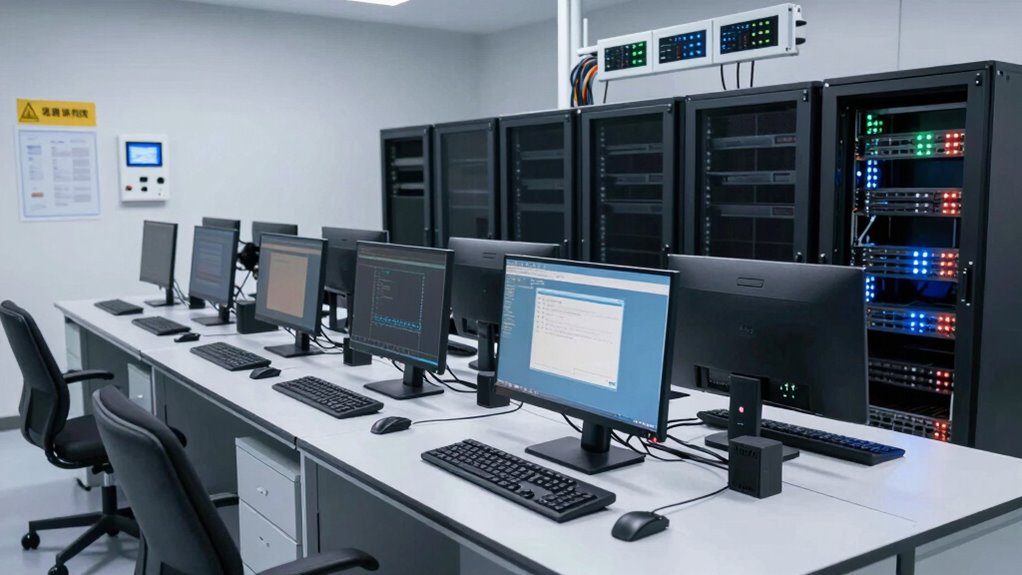
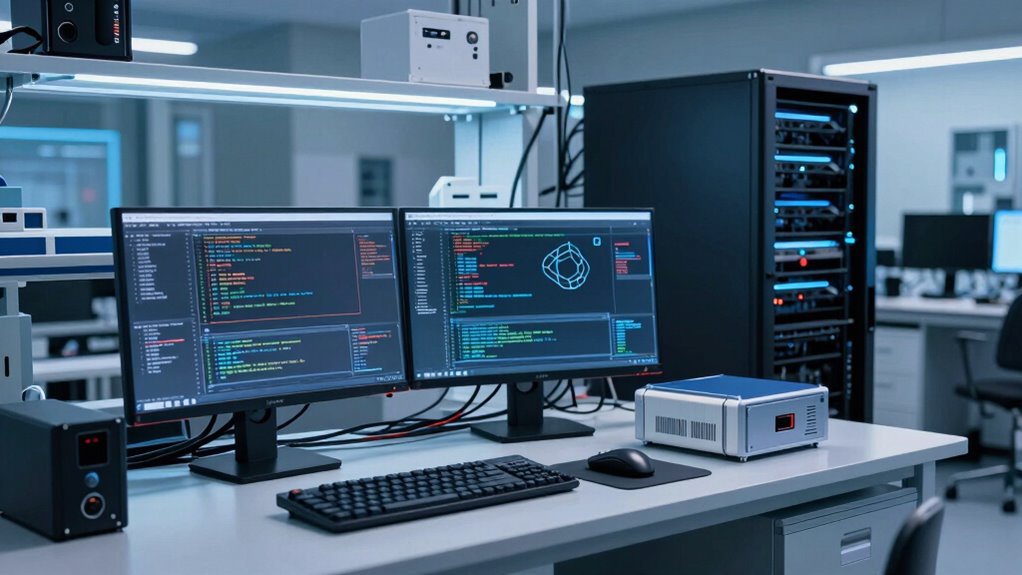
Have you ever wondered why guaranteeing safety in your lab environment is essential when practicing ethical hacking? The answer lies in protecting both your systems and the broader network from potential threats. The lab setup should be a controlled space where you can test vulnerabilities without risking real-world data or infrastructure. To achieve this, network isolation becomes a cornerstone. By segmenting your testing environment from your primary network, you prevent any accidental breaches from spilling over. This separation ensures that if a testing tool or exploit causes an issue, it stays confined within the lab, safeguarding your main systems and data. Network isolation also simplifies troubleshooting, as you can focus solely on the lab environment without interference or confusion from other network traffic. Implementing network segmentation is crucial for maintaining an effective and secure testing space. Hardware security is equally critical. Your lab should be equipped with dedicated devices that are not connected to your everyday work or personal systems. This minimizes the chance of malware transmission or data leaks. Using separate hardware, such as dedicated servers, routers, and workstations, helps maintain a clean and secure testing space. It’s wise to implement physical security measures, like locked cabinets or restricted access, to prevent unauthorized personnel from tampering with your equipment. You want to guarantee that your hardware remains untouched and free from external interference, which could compromise your testing process or lead to accidental exposure of sensitive information. Additionally, security protocols should be strictly documented and enforced to ensure consistent practices across your team or individuals involved. Establishing access controls and authentication procedures is also vital for limiting risks and maintaining a secure environment. Regularly updating your systems and firmware also plays a key role in maintaining security. Patches and updates fix known vulnerabilities, preventing malicious actors from exploiting outdated software. Furthermore, maintaining an audit trail allows for thorough reviews of testing activities, ensuring accountability and ongoing improvement. Incorporating security awareness training for your team can also significantly enhance your overall lab security posture.
network isolation hardware for cybersecurity
As an affiliate, we earn on qualifying purchases.
As an affiliate, we earn on qualifying purchases.
Frequently Asked Questions
How Often Should I Update My Lab’s Security Protocols?
You should update your lab’s security protocols regularly, at least quarterly, to stay ahead of emerging threats. This includes reviewing and strengthening network segmentation to isolate sensitive areas and updating access controls to guarantee only authorized users can access critical systems. Frequent updates help prevent vulnerabilities, adapt to new attack methods, and maintain a secure environment. Keep a schedule and document changes to ensure ongoing safety for your ethical hacking activities.
Can Ethical Hacking Tools Cause Unintentional Damage?
Like a double-edged sword, ethical hacking tools can cause unintentional damage if you’re not cautious. They may expose system vulnerabilities or trigger unforeseen issues, especially if you ignore tool limitations. To prevent harm, use these tools carefully, understand their boundaries, and test in a controlled environment. Staying aware of potential risks helps you avoid accidental damage while strengthening your system’s defenses effectively.
What Are the Best Practices for Isolating a Lab Network?
To isolate your lab network effectively, you should implement network segmentation, dividing your environment into separate subnets to contain potential breaches. Additionally, enforce strict access controls, ensuring only authorized personnel can reach critical systems. Use firewalls and VLANs to segment traffic, and regularly update permissions. These practices prevent accidental damage, restrict unauthorized access, and create a secure space for ethical hacking practice, minimizing risks to your main network.
How Do I Ensure Compliance With Legal Regulations?
You need to keep your nose clean by strictly following legal compliance and regulatory standards. Regularly review relevant laws, such as GDPR or HIPAA, and guarantee your hacking activities are authorized and documented. Conduct internal audits and stay updated on changes. Don’t put all your eggs in one basket—consult legal experts when in doubt. By doing so, you’ll stay on the right side of the law and avoid unnecessary trouble.
What Backup Measures Are Recommended for Lab Environments?
You should implement regular backups with strong data encryption to protect your lab environment. Use access controls to restrict who can access backup files, ensuring only authorized personnel can restore or modify data. Automate backup schedules to prevent data loss and store backups off-site or in secure cloud storage. Periodically test your backup and recovery processes to confirm they work efficiently, safeguarding your ethical hacking activities against unforeseen data loss or corruption.
dedicated server for ethical hacking lab
As an affiliate, we earn on qualifying purchases.
As an affiliate, we earn on qualifying purchases.
Conclusion
Creating a safe lab environment is like building a fortress—strong, secure, and resilient. When you set up proper boundaries, keep tools updated, and practice responsible hacking, you craft a shield against chaos. Think of your lab as a protected garden where ethical hacking blooms safely, nurturing your skills without risking the outside world. Stay vigilant, stay ethical, and let your environment be the steady foundation that supports your growth in cybersecurity mastery.
physical security lock for network equipment
As an affiliate, we earn on qualifying purchases.
As an affiliate, we earn on qualifying purchases.
firewall and access control devices
As an affiliate, we earn on qualifying purchases.
As an affiliate, we earn on qualifying purchases.
Halloween Picks
halloween
As an affiliate, we earn on qualifying purchases.