
Defense in depth is your go-to strategy for robust cybersecurity. It uses multiple layers of protection, ensuring that if one defense fails, others will stand strong. You’ll find measures like firewalls, intrusion detection, and clear security policies essential in blocking threats and minimizing risks. Plus, continuous monitoring keeps you up to date with evolving threats. It’s a proactive approach to security that enhances your defense posture. There’s so much more to uncover about effective strategies ahead!
Key Takeaways
- Defense in depth employs multiple overlapping security measures to create a robust protection environment against cyber threats.
- Layered security minimizes reliance on a single defense line, enhancing overall security posture and resilience.
- Intrusion Detection Systems (IDS) play a crucial role by monitoring network traffic and identifying potential breaches proactively.
- Security policies establish clear guidelines and roles, reducing human error and maintaining consistent security standards within organizations.
- Continuous improvement and monitoring ensure defenses evolve with emerging threats and vulnerabilities, keeping security measures effective over time.

In today’s digital landscape, where threats lurk around every corner, adopting a layered security strategy is vital for safeguarding your assets. This approach, often referred to as “defense in depth,” emphasizes the importance of multiple, overlapping security measures. By implementing a variety of controls, you’re not just relying on one line of defense; you’re creating a robust environment that better protects sensitive data and critical infrastructure.
One of the key components of a layered security strategy is intrusion detection. You need systems that can monitor network traffic and identify suspicious activities. This proactive measure enables you to spot potential breaches before they escalate into serious incidents. By integrating intrusion detection systems (IDS) into your security framework, you can have real-time alerts and insights into any anomalies that may signal an attack. This immediate visibility allows you to respond quickly, mitigating damages and protecting your assets.
But intrusion detection alone isn’t enough. To create a truly effective defense, you must establish thorough security policies that guide your operations. These policies should outline acceptable use, access controls, and incident response plans, ensuring that everyone in your organization understands their role in maintaining security. When you’ve got clear, actionable policies in place, you’re setting expectations that help prevent human error, which is often the weakest link in any security strategy.
Additionally, consider layering your defenses with firewalls, antivirus software, and regular software updates. Each of these elements contributes to a more fortified network. By keeping your systems updated, you’re not only patching vulnerabilities but also minimizing the risk of exploitation. Firewalls act as gatekeepers, filtering out unwanted traffic, while antivirus solutions work tirelessly in the background to detect and neutralize threats before they can cause any harm.
Implementing a layered security strategy is an ongoing process. You need to regularly assess and refine your security policies and intrusion detection capabilities to adapt to the ever-changing landscape of cyber threats. This means staying informed about the latest trends and vulnerabilities in the digital world. By doing so, you can guarantee that your defenses remain effective and that you’re prepared for any potential challenges that arise. Additionally, the success of such strategies often hinges on continuous monitoring of market conditions, ensuring that you are aware of the evolving threat landscape.

TP-Link ER605 V2 Wired Gigabit VPN Router, Up to 3 WAN Ethernet Ports + 1 USB WAN, SPI Firewall SMB Router, Omada SDN Integrated, Load Balance, Lightning Protection
【Five Gigabit Ports】1 Gigabit WAN Port plus 2 Gigabit WAN/LAN Ports plus 2 Gigabit LAN Port. Up to...
As an affiliate, we earn on qualifying purchases.
Frequently Asked Questions
What Are the Primary Components of a Layered Security Strategy?
A layered security strategy includes several key components. You should implement encryption protocols to protect sensitive data during transmission and storage. Access controls are essential for ensuring that only authorized users can access specific resources. Additionally, consider using firewalls, intrusion detection systems, and regular security audits to fortify your defenses. By combining these elements, you can create a robust security framework that effectively safeguards your organization against various threats.
How Does Layered Security Differ From Traditional Security Measures?
Layered security differs from traditional measures by focusing on thorough risk mitigation and proactive threat prevention. Instead of relying on a single defense, you implement multiple overlapping layers of protection. This approach helps you identify vulnerabilities and respond to threats more effectively, as each layer addresses different risks. By integrating various security measures, you enhance your overall resilience, ensuring that even if one layer fails, others still provide vital protection against potential threats.
Can Layered Security Be Applied to Physical Assets?
Absolutely, you can apply layered security to physical assets! Think of it like building an impenetrable fortress; each layer strengthens your defenses. Start with robust physical security measures like surveillance cameras and access controls. Then, add asset protection strategies such as alarms and security personnel. By combining these layers, you create a resilient shield that deters intruders and safeguards your valuable resources, ensuring your physical assets remain secure against potential threats.
What Industries Benefit Most From Defense in Depth?
Financial institutions and healthcare providers benefit most from a layered security approach. In finance, protecting sensitive data and preventing fraud is vital, while healthcare must safeguard patient information and comply with regulations. By implementing multiple security measures, like firewalls, encryption, and physical security, you can mitigate risks effectively. This strategy helps you stay ahead of cyber threats and guarantees both your assets and clients are safe, fostering trust and reliability in your industry.
How Often Should a Layered Security Strategy Be Updated?
You should update your layered security strategy at least annually or whenever significant changes occur in your environment. Regular security audits help identify vulnerabilities, while periodic threat assessments ensure you’re aware of emerging risks. By staying proactive, you’ll adapt your defenses to evolving threats and maintain a robust security posture. Don’t wait for an incident to prompt an update—make it a routine part of your security management.

Deeper Connect Mini(2026 Version) Decentralized VPN Router Lifetime Free for Travel Home Enterprise-Level Cybersecurity Wi-Fi Router with Dual Antennas Wi-Fi Adapter
1. True VPN Router - Network Protection for Every Device: This VPN router secures your entire homenetwork at...
As an affiliate, we earn on qualifying purchases.
Conclusion
In today’s digital landscape, a layered security strategy isn’t just smart; it’s essential. By building barriers and bolstering defenses, you can protect precious data from persistent threats. Embracing this multifaceted approach empowers you to thwart attacks and guarantee safety. Remember, it’s not about one single shield but a spectrum of safeguards that secures your systems. So, stay savvy and strengthen your security with strategic solutions for a safer tomorrow.
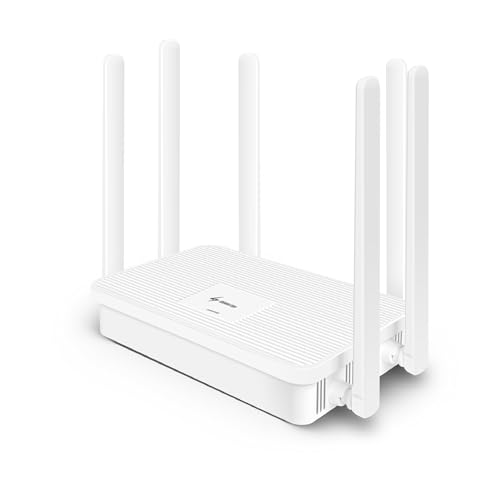
SSRouter S1 VPN Router WiFi 6 – Whole-Home Privacy Protection, Plug & Play, No App Setup, Global Nodes, Fast Streaming & Gaming, Secure Home Network for Family, Office & Travel
【Whole-Home VPN Protection – One Network, All Devices】No need to install VPN apps on every device. SSRouter protects...
As an affiliate, we earn on qualifying purchases.
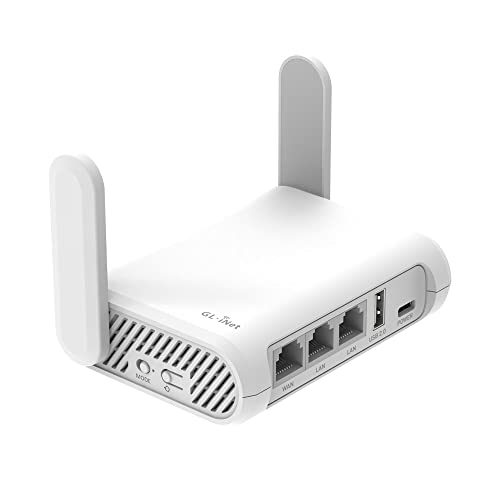
GL.iNet GL-SFT1200 (Opal) Portable WiFi Travel Router, Mini VPN Wireless Router, Mobile Internet WiFi Repeater, Dual Band Openwrt Computer Routers, Home/Business/RV/Cruise
【AC1200 Dual-band Wireless Router】Simultaneous dual-band with wireless speed up to 300 Mbps (2.4GHz) + 867 Mbps (5GHz). 2.4GHz...
As an affiliate, we earn on qualifying purchases.