
TL;DR

Get privacy and security gear delivered free with Prime
- Fast, free delivery on millions of items
- Prime Video, Amazon Music and more included
- Member-only deals all year
A Science investigation with the Pulitzer Center’s AI Accountability Network found that companies selling consumer neurology wearables have collected tens of millions of hours of EEG recordings and that some use the data to develop AI models. Muse maker Interaxon says it trained a model on about 50,000 hours of EEG data and removes identifying details before use.
Some companies behind wearable sleep and brain-monitoring devices are using customers’ brainwave recordings to develop AI models, according to an investigation by Science and the Pulitzer Center’s AI Accountability Network. The investigation found that the companies have accumulated tens of millions of hours of EEG data; Muse maker Interaxon says it has already trained a model using about 50,000 hours of recordings.
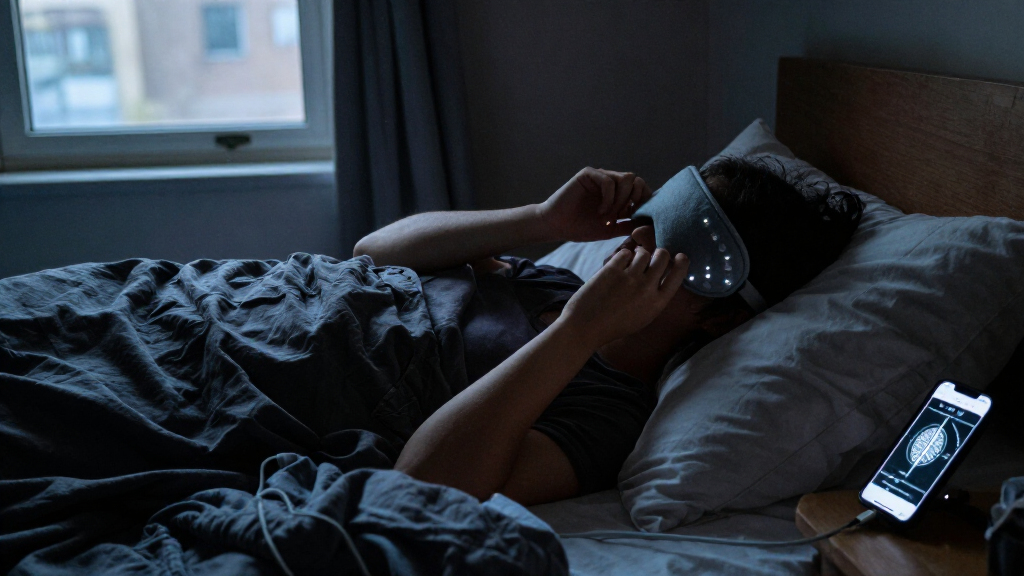
Electroencephalography, or EEG, records electrical activity in the brain. Wearable headbands collect these signals alongside other physiological measurements, then process them into reports intended to help users track sleep and notice changes in their patterns. The investigation found that some companies also use recordings for a different purpose: developing so-called brain foundation models.
Interaxon, the Canadian company behind the Muse sleep and meditation headband, told the investigators it had trained an AI model with about 50,000 hours of EEG recordings. The company says it removes identifying information, including names, email addresses and physical addresses, before using data for this work. Its chief marketing officer, Nadia Kumentas, said the company aims to use as much of its eligible data as possible.
The investigation reported that several companies’ privacy policies initially did not clearly spell out the use of recordings for AI model development. The material provided does not identify all the companies, describe the wording or timing of policy changes, or establish whether every recording was used for training. The findings concern company data practices; they do not, by themselves, show that a particular model can identify an individual or that the data was misused.
Sleep trackers collect brainwaves for AI training
An investigation found that some wearable neurology companies use EEG recordings to develop AI models. The data’s collection, use and consent details matter to customers.
From sleep reports to AI
Wearables record brain activity and process it into reports; some companies also use recordings to develop AI models.
Headbands collect brain signals during sleep or meditation.
Muse processes recordings into rest and sleep-pattern reports.
Interaxon says it used about 50,000 hours of EEG recordings for an AI model.
What Interaxon says
The Muse maker says it removes direct identifiers before using recordings for model development.
- Removes names, email addresses and physical addresses.
- Aims to use as much eligible data as possible.
- Whether users gave separate consent or can opt out.
- Retention, deletion and other privacy safeguards.
Consent and policy gaps
The investigation found that company privacy policies initially did not clearly spell out AI training.
- The available account does not establish what each user agreed to.
- It does not detail policy changes or whether users received new notice.
- Removing direct identifiers does not answer every question about possible links to individuals.
The Stakes for EEG Privacy
Brain recordings are sensitive personal data. The investigation found that some companies use EEG recordings collected through consumer products to develop AI models in addition to providing services such as sleep reports. Its account says companies’ privacy policies initially did not clearly spell out this model-training use.
Interaxon says it removes direct identifiers, including names, email addresses and physical addresses, before using recordings. The available account does not specify how long the company retains recordings, whether users can opt out of model training or request deletion, or what other privacy safeguards it applies.
Products Worth Considering

LG UltraGear 25G590B-B 25-Inch Full HD 1000Hz Gaming Monitor

Samsung 49-Inch Odyssey OLED G9 (G91SD) Dual QHD Curved Gaming Monitor

LG UltraGear 27-inch QHD OLED Gaming Monitor, 240Hz
As an affiliate, we earn on qualifying purchases.
From Sleep Reports to AI Training
The devices at the center of the investigation are consumer wearables that monitor brain activity during sleep or meditation. In Muse’s case, the recordings are processed into reports about rest and changes in sleep patterns. The reported AI use adds a secondary purpose to data collected through those products.
Science conducted the investigation with the Pulitzer Center’s AI Accountability Network. Its findings describe an industry-scale collection of EEG recordings amounting to tens of millions of hours, while the specific figure disclosed by Interaxon is about 50,000 hours used to train its model. The two figures have different scopes: the larger number refers to recordings accumulated across companies, while Interaxon’s figure concerns its own reported training data.
The supplied reporting says companies’ privacy policies initially did not clearly describe this model-training use. It does not provide enough detail to determine which policies were later revised, what notice users received, or whether the companies sought fresh consent. Those distinctions are important: collecting EEG data for a customer-facing sleep report is not necessarily the same disclosure as using it to train an AI system.
“The company says it removes identifying information, including names, email addresses and physical addresses, before using recordings.”
— Interaxon
Consent and Safeguards Still Unclear
The scope of user consent remains unclear from the details available. The investigation found that companies initially did not clearly spell out AI training in their privacy policies, but the supplied account does not show what each policy said, when it changed, or whether customers were separately asked to agree to this use.
There is also no detailed account here of retention periods, opt-out procedures, deletion rights, security controls or independent audits. Interaxon’s description of removing direct identifiers does not answer whether recordings could be linked to people through other information, nor does the available reporting establish that such re-identification occurred. The investigation’s broad total also does not specify how much data was used to train models, as opposed to being collected or stored.
Watch for Policy and Consent Details
The next developments to watch are whether Interaxon and other companies provide clearer explanations of how EEG recordings are used, what choices customers have, and how long the data is kept. The reporting provided does not announce a regulatory action, a company deadline or a planned release date for further findings.
Customers considering a sleep or meditation headband can review the company’s current privacy policy for language about AI, model training, data retention and deletion. The details available here do not establish whether those policies offer a clear opt-out or separate consent option.
Key Questions
What did the investigation find?
A Science investigation with the Pulitzer Center’s AI Accountability Network found that some companies behind wearable neurology products use EEG recordings to develop AI models. It reported that the companies have accumulated tens of millions of hours of recordings.
Is Muse using brainwave recordings to train AI?
Interaxon, which makes Muse, says it has trained an AI model using about 50,000 hours of EEG recordings. The company says it removes names, email addresses and physical addresses before using the data.
Did users clearly consent to AI training?
The investigation found that companies’ privacy policies initially did not clearly spell out AI model training. The details provided do not establish what each user agreed to, whether separate consent was obtained, or how policies may have changed.
Does removing names and addresses settle the privacy issue?
No. Interaxon says it removes direct identifiers, but the reporting provided does not describe all its safeguards or establish whether recordings could be linked to individuals through other information. It also does not report that re-identification occurred.
What remains unknown about the data?
The available details do not specify retention periods, opt-out and deletion options, security controls, or how much collected data was actually used for training. They also do not identify every company involved in the reported practices.
Source: Tom’s Hardware