
Even strong passwords can be compromised if you reuse them across multiple accounts or fall victim to phishing scams. Hackers exploit weak links or trick you into revealing your login details through fake sites. Relying on complex passwords alone isn’t enough; you need extra layers of protection like password managers and two-factor authentication. Staying vigilant and adopting best security practices can help safeguard your digital life. Keep exploring to learn more about staying secure online.

Get privacy and security gear delivered free with Prime
- Fast, free delivery on millions of items
- Prime Video, Amazon Music and more included
- Member-only deals all year
Key Takeaways
- Strong passwords can still be compromised if reused across multiple accounts.
- Phishing scams can trick users into revealing credentials, rendering passwords ineffective.
- Passwords stored insecurely or stolen can be exploited even if they are complex.
- Additional measures like two-factor authentication provide an essential security layer.
- Maintaining a multi-layered security approach reduces overall risk despite strong passwords.
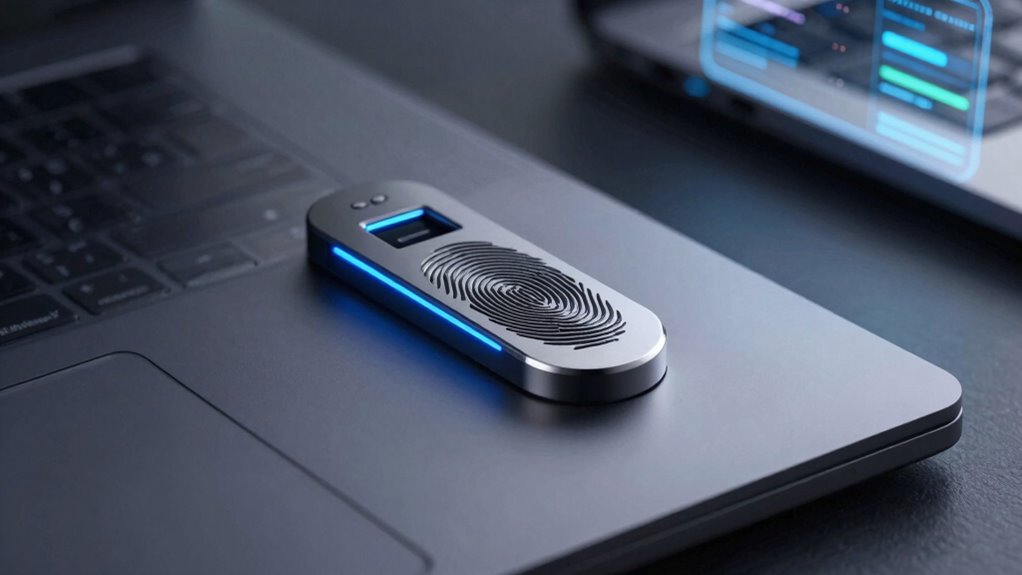
Even strong passwords can be vulnerable if they aren’t properly protected. Having a complex, hard-to-guess password is a great first step, but it doesn’t guarantee safety on its own. If you reuse passwords across multiple accounts, a breach on one site can compromise your entire digital presence. Cybercriminals often exploit these weak links by using stolen credentials to access other services, making password reuse a significant risk. Even the most complicated password won’t help if it’s the same as one used elsewhere. Additionally, phishing threats pose a serious danger, regardless of how strong your password is. Hackers craft convincing emails or messages that trick you into revealing your login details, often directing you to fake websites that look legitimate. Once you enter your credentials on these fake pages, attackers can immediately access your accounts, rendering your strong password useless.
Strong passwords alone aren’t enough—protect your accounts by avoiding reuse and watching out for phishing scams.
To mitigate these risks, you need to go beyond simply creating a complex password. Using a password manager becomes essential because it allows you to generate and store unique passwords for each account without the burden of remembering them all. This way, even if one account gets compromised, your other accounts remain protected with different, strong passwords. Relying on a password manager also minimizes the temptation to reuse passwords, significantly reducing the chances of a domino effect if a breach occurs. Implementing security best practices can further enhance your protection against evolving cyber threats. Being aware of digital security measures and staying updated about new tactics used by hackers can help you adapt your defenses proactively.
Furthermore, you should always be vigilant about cybersecurity threats, as hackers continuously develop new tactics to bypass security measures. Never click on suspicious links or provide your login details in response to unsolicited messages. Many phishing attacks are highly sophisticated, mimicking authentic emails from trusted sources. Always verify the sender’s email address and double-check website URLs before entering your login information. Enabling two-factor authentication (2FA) adds an additional layer of security, making it harder for hackers to access your accounts even if they obtain your password. This extra step can save your accounts from being compromised, especially in cases where your password might be exposed through phishing or other vulnerabilities.
Being aware of online security practices and staying informed about emerging threats can make a significant difference in your overall safety. Ultimately, protecting your online accounts requires a multi-layered approach. Strong passwords are a crucial component, but they’re not enough on their own. You need to actively manage your credentials with tools designed for security, stay alert to phishing threats, and adopt best practices for online safety. Taking these extra steps ensures that your digital life remains secure, even in the face of evolving cyber threats.
best password manager for security
As an affiliate, we earn on qualifying purchases.
As an affiliate, we earn on qualifying purchases.
Frequently Asked Questions
Can a Password Manager Improve My Online Security?
Yes, a password manager can improve your online security by securely storing your passwords and reducing the risk of reuse or weak passwords. It offers user convenience by generating strong, unique passwords for each account, so you don’t have to remember them all. With encrypted password storage, your credentials stay safe even if your device is compromised. Overall, a password manager makes managing security easier and more effective.
What Are Common Ways Hackers Bypass Strong Passwords?
Hackers often slip past strong passwords like shadows in the night, using tactics like password reuse and phishing attacks. Reusing passwords is like handing out duplicate keys; once one is compromised, all are at risk. Phishing tricks you into revealing your passwords, much like a wolf in sheep’s clothing. To stay protected, never reuse passwords and stay alert for suspicious messages, because even the strongest locks can be bypassed if you’re not cautious.
How Often Should I Change My Passwords?
You should change your passwords regularly, ideally every three to six months, to maintain security. Pay attention to password expiration policies and follow security updates from your service providers. Regular updates reduce the risk of unauthorized access, especially if a breach occurs elsewhere. Even strong passwords can be compromised over time, so staying proactive by updating them guarantees your accounts stay protected against evolving threats.
Are Two-Factor Authentication Methods Foolproof?
Two-factor authentication methods aren’t foolproof, but they considerably boost your security. Combining biometric security with password complexity makes it harder for attackers to access your accounts. While biometric methods like fingerprint or face recognition add an extra layer, no system is entirely invulnerable. Always stay vigilant, update your security settings regularly, and combine multiple protection strategies for better safety.
What Additional Steps Can I Take for Account Security?
To boost your account security, you should enable two-factor authentication and use complex passwords that are hard to guess. Regularly update your passwords and avoid reusing them across sites. Keep your account recovery options, like backup email and phone number, current and secure. Consider using a password manager to handle complex passwords effortlessly. These steps create multiple layers of protection, making it much harder for hackers to access your accounts.
two-factor authentication hardware device
As an affiliate, we earn on qualifying purchases.
As an affiliate, we earn on qualifying purchases.
Conclusion
So, even if you think your password is stronger than a superhero’s shield, don’t get complacent. Hackers are like digital ninjas, sneaking through the tiniest cracks in your defenses. Without extra protection, your precious data could vanish faster than your last slice of pizza. Protect yourself with multi-layer security, or risk waking up to a nightmare where all your info is stolen—faster than you can say “password123”! Stay vigilant, stay safe!
As an affiliate, we earn on qualifying purchases.
As an affiliate, we earn on qualifying purchases.
Fall Picks
fall essentials
As an affiliate, we earn on qualifying purchases.