

Crimeware-as-a-Service has made hacking tools affordable and widely accessible. Cybercriminals now rent malware, phishing kits, and infrastructure for just a few dollars, lowering the barriers for less experienced attackers. This shift turns hacking into a mass-market industry where even amateurs can launch sophisticated assaults. As tools grow cheaper and more advanced, cyber threats continue to increase. If you want to understand how this affects every aspect of cybersecurity, keep exploring what’s driving this dangerous trend.
Key Takeaways
- Cybercrime tools are now commoditized and sold via Crimeware-as-a-Service platforms, lowering entry barriers for attackers.
- Affordable ransomware kits and malware families like Lumma and RedLine enable less skilled actors to launch attacks.
- Cross-platform hacking tools and RATs make cyber threats more accessible and versatile across operating systems.
- The underground economy offers a wide array of cybercrime services, including phishing kits and mail servers, at low costs.
- The proliferation of cheap, sophisticated hacking tools has led to increased attack volume and severity worldwide.

Rise of Crimeware-as-a-Service
The rise of Crimeware-as-a-Service (CaaS) has revolutionized cybercrime by turning hacking tools into commoditized, service-based offerings that mimic legitimate SaaS models. You can now rent malware, phishing kits, or infrastructure from other cybercriminals, making sophisticated attacks more accessible than ever. This shift lowers the barrier to entry, allowing even inexperienced actors to launch enterprise-scale assaults without deep technical skills. For as little as $38 to $40, you can purchase ransomware kits through Ransomware-as-a-Service (RaaS), enabling widespread extortion campaigns with minimal investment. The underground economy is booming, offering everything from malware and phishing sites to mail servers and data conversion services, fueling a global black market that’s difficult for law enforcement to dismantle.
Popular malware families like Lumma, LummaStealer, Acreed, Katana, and Vidar dominate these MaaS ecosystems, giving cybercriminals a range of tools to steal data or compromise systems. Despite law enforcement efforts, families like RedLine persist, adapting quickly to avoid detection. Remote Access Trojans (RATs), once niche tools, are now steadily increasing in activity as initial infection vectors, often used to gain persistent access to victim networks. Emerging toolkits are written in languages like Rust and Go, aiming for cross-platform compatibility and expanding their reach beyond Windows to Linux and macOS systems. Additionally, destructive wipers are increasingly part of politically motivated operations, blending cybercrime with state-sponsored tactics.
Lumma, Vidar, and Acreed dominate MaaS, with RATs and cross-platform tools expanding cybercriminal capabilities amid evolving threats
The proliferation of RaaS has driven a surge in ransomware incidents. In the second quarter of 2025, around 68 groups actively listed victims, with 31 new groups emerging in the past year. While the number of active ransomware groups decreased slightly from the previous quarter, the overall count has grown by over 40% compared to last year. Ransom demands are rising, with average extortion amounts reaching over $5 million, and the total number of attacks increasing. Akira leads the pack, accounting for over 15% of ransomware engagements in early 2025. The impact is felt globally, with the United States bearing the brunt at 66% of attacks, but other countries like the UK, Canada, and Germany also seeing significant activity. Furthermore, the increasing affordability and sophistication of these tools mean more cybercriminals can participate, contributing to the escalating threat landscape.
The availability of off-the-shelf hacking tools has also facilitated the growth of cybercrime by enabling less skilled actors to carry out complex attacks. Industries such as healthcare, technology, legal, and financial sectors are increasingly targeted, which underscores the importance of robust cybersecurity measures. The economic toll is staggering—cybercrime losses jumped 33% from 2023 to 2024, exceeding $16 billion. Infostealers, a key tool in many attacks, are used in nearly a quarter of breaches, fueling both cyber and traditional crimes. As these tools become cheaper and more sophisticated, expect the volume and severity of attacks to keep climbing, making cybercrime a persistent threat you can’t ignore.
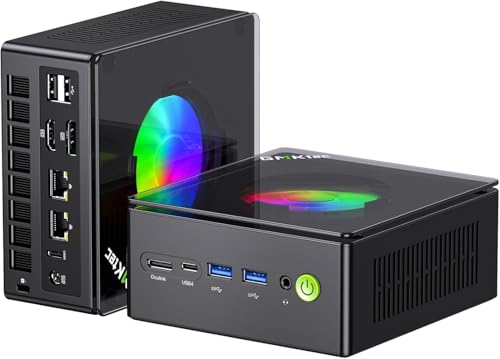
GMKtec Gaming Mini PC AMD Ryzen 9 8945HS (Turbo 5.1GHz) 32GB DDR5 2TB SSD, Computers PC Oculink, Dual NIC LAN 2.5G, WiFi 6, USB3.2, USB-C 4.0, BT5.2, DP, HDMI, Dual Fan Nucbox K11
AMD Ryzen 9 8945HS Processor: GMKtec K11 mini pc equipped with the AMD Ryzen 9 8945HS CPU, featuring...
As an affiliate, we earn on qualifying purchases.
Frequently Asked Questions
How Do Cybercriminals Launch Crimeware-As-A-Service Attacks?
You can launch Crimeware-as-a-Service attacks by renting or buying hacking tools from underground markets. You choose malware, phishing sites, or access to infrastructure, often through affordable Ransomware-as-a-Service kits. Once equipped, you target specific industries or regions, primarily in the US or Europe. You leverage these tools to infect victims, steal data, or deploy ransomware, often operating anonymously on decentralized forums to avoid law enforcement detection.
What Legal Actions Are Being Taken Against Caas Providers?
Legal actions against CaaS providers are like hunting shadows in the dark; law enforcement agencies worldwide are actively infiltrating underground forums, issuing indictments, and seizing servers. They target key figures behind ransomware groups, arresting them and disrupting operations. International collaborations, like Europol and INTERPOL efforts, help track cross-border cybercriminals. Despite challenges, ongoing investigations aim to dismantle the infrastructure fueling this illicit marketplace.
How Can Organizations Defend Against Caas-Driven Threats?
You can defend against CaaS-driven threats by implementing robust cybersecurity measures like multi-layered defenses, regular updates, and employee training. Use advanced threat detection tools, monitor network activity for anomalies, and enforce strict access controls. Stay informed about emerging malware trends and collaborate with law enforcement when needed. Establish backup plans and incident response protocols to quickly contain breaches, minimizing damage from these increasingly sophisticated attacks.
Are There Specific Regions More Targeted by Caas Groups?
You should know that the United States is the most targeted region by CaaS groups, accounting for about 66% of attacks. The UK, Canada, Germany, and Italy also face significant threats, but they lag behind the US in attack frequency. These groups exploit the global reach of dark web forums, making international tracking challenging. So, focus on strengthening defenses, especially if you’re in these high-risk regions.
What Are the Signs of a System Infected by Caas Malware?
You’ll notice signs like unusual slowdowns, unexpected pop-ups, or new files appearing without your knowledge. Your system may crash frequently or behave erratically. You might see unauthorized login attempts or emails sent from your account. Ransom notes or strange messages could pop up. Additionally, your security tools might be disabled or unable to update. These are clear indicators that malware from CaaS has infiltrated your system.

ROG NUC (2025) Gaming Mini PC with Intel® Core™ Ultra 9 (Series 2) ARL-HX CPU, NVIDIA® GeForce RTX™ 5070 MobileGPU, 32GB DDR5 RAM, 2TB NVMe SSD, Thunderbolt™ 4, Triple-Fan Cooling, and ARGB Lighting
Hardcore Gaming Power: Powered by Intel Core Ultra processor (Series 2) and up to 200+ Platform TOPS, the...
As an affiliate, we earn on qualifying purchases.
Conclusion
If you think crimeware-as-a-service is just a minor threat, think again. It’s like giving everyone a hacker’s toolkit, turning cybercrime into a cheap, widespread epidemic. Soon, even amateurs can release chaos with a few clicks, making your data and finances an easy target. The danger isn’t coming—it’s already here, growing faster than you can imagine. Stay alert, stay protected, because this cybercrime wave isn’t stopping anytime soon.

KAMRUI Hyper H1 Mini Gaming PC, AMD Ryzen 7 7735HS(Beats 7640HS/6800H), 24GB LPDDR5 1TB M.2 NVMe SSD Mini PC(8C/16T,up to 4.75GHz), 16MB L3 Smart Cache, Triple 4K Display/WiFi6/BT5.2/Mini Desktop PC
【Powerful AMD Ryzen7 7735HS Processor】KAMRUI H1 MINI PC is equipped with a powerful AMD Ryzen7 7735HS Processor, 8...
As an affiliate, we earn on qualifying purchases.

ACEMAGIC M5 Mini PC Windows 11 Pro, Intel Core 14500HX 32GB DDR4 1TB SSD Mini Computers(Beat i9-13900HK/R9 6900HX), NVMe PCIe4.0/USB3.2/Type-C/BT5.2/WiFi6/for Business Office Home Desktop PC 55W
【14th Gen Intel Core HX-Series Processors】In the Intel mobile processor family, the HX-series stands as the undisputed performance...
As an affiliate, we earn on qualifying purchases.