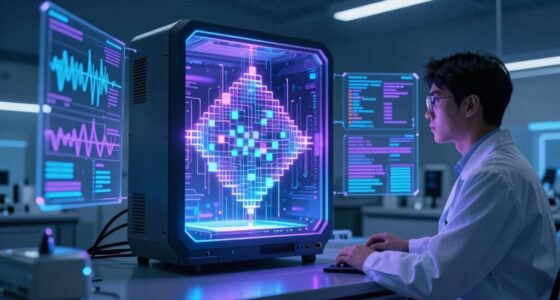
VR and AR products need better expectation setting because current technology still has significant limitations that affect your immersion and comfort. You might experience lag, blurry visuals, or discomfort, which can reduce the believability of experiences. Hardware constraints like low resolution and short battery life mean perfect, seamless experiences aren’t realistic yet. By understanding these limits, you can set realistic goals and enjoy these tools more. Keep exploring to discover how ongoing advancements are shaping future innovations.

Get privacy and security gear delivered free with Prime
- Fast, free delivery on millions of items
- Prime Video, Amazon Music and more included
- Member-only deals all year
Key Takeaways
- Managing expectations prevents user disappointment due to current hardware and software limitations.
- Clear communication highlights ongoing development, fostering patience and continued engagement.
- Realistic goals help users appreciate incremental improvements and future potential.
- Proper expectation setting reduces frustration caused by technical glitches and discomfort.
- Educating users about technological constraints encourages informed usage and sustained interest.
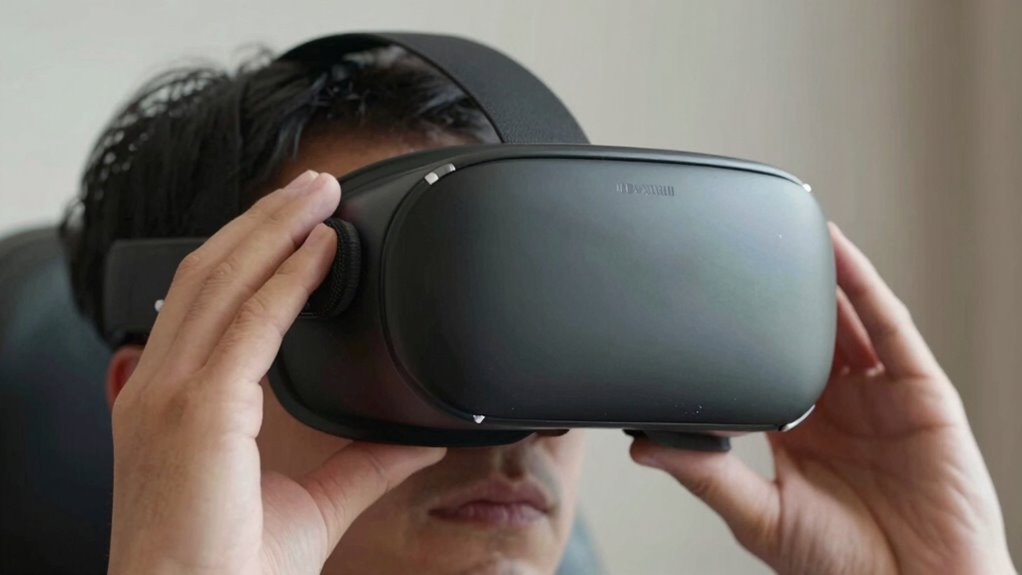
Virtual and augmented reality products have generated a lot of excitement, but their current capabilities often fall short of expectations. As a user, you might find yourself eager to dive into immersive worlds or enhanced real-world views, only to encounter a disconnect between what’s promised and what’s delivered. This gap stems largely from the user experience not aligning with the hype, which can lead to frustration and disappointment. Many products still struggle with technological limitations that hinder seamless immersion, making it clear that setting realistic expectations is essential.
Right now, the user experience in VR and AR can feel clunky or underwhelming. Headsets may be uncomfortable during extended use, visuals can be blurry or laggy, and interactions often lack the fluidity you’d hope for. These issues aren’t just minor inconveniences—they substantially impact how engaging and believable the experience feels. When you’re constantly adjusting equipment or dealing with technical glitches, it’s hard to fully enjoy or trust the technology. Developers are making progress, but the current technology still can’t deliver the smooth, intuitive experience many users expect from the hype. Recognizing that hardware constraints are a significant factor can help set more accurate expectations.
Current VR and AR experiences often feel clunky, with discomfort, lag, and limited fluidity hindering their full potential.
Technological limitations play a big role in this disparity. Hardware constraints, such as low-resolution displays, limited tracking accuracy, and short battery life, restrict what’s possible right now. Software improvements are ongoing, but they can only do so much when hardware can’t keep up. For instance, lag or motion sickness sometimes occur because of delays in rendering or tracking errors. These issues remind you that, despite the exciting potential, VR and AR are still evolving tech. Expecting perfection from early-generation products isn’t realistic. Understanding that technology development is a continuous process can help temper expectations and foster patience. Additionally, awareness of current hardware capabilities can help you gauge what is feasible today and avoid unnecessary disappointment. Recognizing how technological limitations impact overall user experience can also help better inform your expectations and patience as the technology advances. Moreover, ongoing research and innovation are crucial to overcoming these hurdles in the future.
Because of these challenges, setting proper expectations becomes vital. If you go into a VR or AR experience thinking it will be flawless or fully immersive, you might be disappointed. Instead, understanding that current limitations are temporary and part of the development process helps manage your expectations. Recognizing that the technology is rapidly improving can also enhance your patience and appreciation for each new update or device. By aligning your expectations with the current state of the art, you’ll likely enjoy the experiences more and stay excited about future advancements.
Ultimately, for VR and AR to meet their true potential, both users and developers need to stay grounded in reality about what’s currently possible. While technological limitations and user experience issues exist today, they are not permanent. Better expectation setting ensures you remain engaged and optimistic, knowing that these immersive technologies will continue to improve and eventually deliver on their promises. Patience, realistic goals, and a clear understanding of current capabilities will help you navigate the evolving landscape of virtual and augmented reality product offerings.
As an affiliate, we earn on qualifying purchases.
Frequently Asked Questions
How Do VR and AR Products Compare in Price to Traditional Tech Devices?
VR and AR products tend to be pricier than traditional tech devices, mainly due to specialized hardware and software. You might find that pricing transparency varies, making it hard to gauge value. For consumers, affordability can be a concern, especially with high-end models. To make informed decisions, look for clear pricing info and compare features, so you understand what you’re getting and avoid unexpected costs.
What ARe the Long-Term Health Effects of Using VR and AR?
Long-term use of VR and AR can lead to issues like motion sickness and eye strain. You might experience discomfort or headaches after extended sessions, especially if your eyes strain to focus or if the motion feels disorienting. To protect your health, take regular breaks, adjust device settings, and limit continuous use. Being aware of these potential effects helps you enjoy VR and AR safely over time.
How Accessible ARe VR and AR Products for Users With Disabilities?
VR and AR products face accessibility challenges, but adaptive technologies are making progress. You might find some devices less usable if you have disabilities, yet many companies are integrating features like voice commands, customizable controls, and visual aids. While accessibility varies across products, ongoing innovations aim to make VR and AR more inclusive, so you can enjoy immersive experiences regardless of your abilities.
What ARe the Privacy and Security Concerns With VR and AR Devices?
You should be aware that VR and AR devices raise significant privacy and security concerns. Your user privacy can be compromised if personal data, location, or even biometric information isn’t protected properly. Data security is critical to prevent hacking or unauthorized access. Always review privacy policies, enable security features, and stay updated on security practices to safeguard your information while enjoying immersive experiences.
How Quickly Do VR and AR Technologies Typically Evolve?
VR and AR technologies typically evolve rapidly, often within a year or two, driven by ongoing innovation and user feedback. This quick pace influences technology adoption, as users expect continual improvements. To keep up, you need to manage expectations carefully, emphasizing how updates enhance user experience over time. Staying informed about these developments helps you adapt and maximize the benefits of VR and AR products, ensuring a smoother, more satisfying experience.
AR glasses with long battery life
As an affiliate, we earn on qualifying purchases.
As an affiliate, we earn on qualifying purchases.
Conclusion
Remember, patience is a virtue. As VR and AR evolve, setting clear expectations helps you enjoy the journey rather than get frustrated with the bumps along the way. These technologies are still maturing, and understanding their current limits lets you appreciate their potential without disappointment. Embrace the learning curve, and you’ll find that, with time, your experiences become richer and more immersive. So, stay curious and keep exploring — good things come to those who wait.
As an affiliate, we earn on qualifying purchases.
VR tracking sensors for better accuracy
As an affiliate, we earn on qualifying purchases.
As an affiliate, we earn on qualifying purchases.
Fall Picks
fall essentials
As an affiliate, we earn on qualifying purchases.