

When facing a ransomware attack, paying the ransom might seem like a quick fix, but it’s a risky gamble. You’ve got no guarantee that you’ll regain access to your files. Plus, paying can raise red flags with law enforcement and doesn’t break the cycle of cybercrime. It’s vital to weigh legal implications and the potential for ongoing victimization. Want to know more about preventing these attacks and making informed decisions?
Play games included with Prime
Start a Prime free trial and play with Amazon Luna on your devices.
As an affiliate, we earn on qualifying purchases.
Key Takeaways
- Paying a ransom does not guarantee recovery of data or access to decryption keys, leaving victims at risk of further losses.
- Legal implications exist; paying ransoms may violate regulations, leading to fines and legal penalties in certain jurisdictions.
- Cryptocurrency payments can attract law enforcement scrutiny, complicating recovery efforts and potentially implicating victims in illegal activities.
- Many decryption tools provided by attackers are ineffective, and payment often leads to ongoing victimization without full data restoration.
- Implementing robust backup solutions and security measures can mitigate the impact of ransomware and reduce the temptation to pay ransoms.
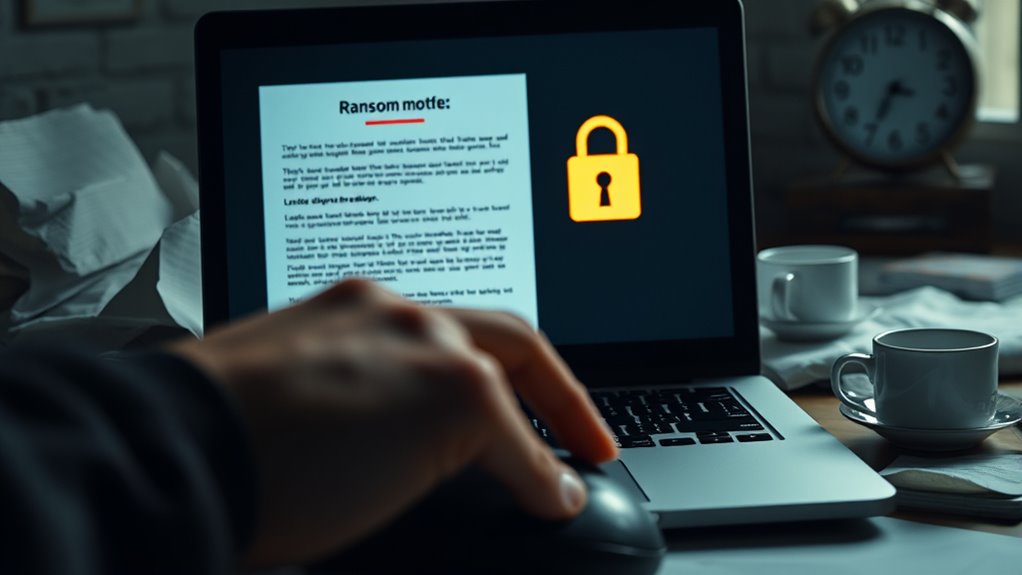
Ransomware Dilemma
Have you ever wondered how a single click can lead to chaos? One moment, you’re browsing the web, and the next, you’ve fallen victim to a ransomware attack. It’s a nightmare scenario that’s becoming all too common. Hackers exploit vulnerabilities in your system, encrypting your files and demanding a ransom, often in cryptocurrency, to provide the decryption key. But before you rush to pay, it’s essential to consider the cryptocurrency risks and the potential legal implications.
When faced with a ransomware demand, the immediate temptation might be to pay up. After all, you want your files back, and paying seems like the quickest way to regain access. However, using cryptocurrency for these transactions is rife with risks. Cryptocurrencies, while anonymous, aren’t entirely untraceable. Law enforcement agencies around the world are becoming increasingly savvy at tracking these transactions. By paying the ransom, you could inadvertently put yourself on their radar, especially if they suspect you’ve engaged in illegal activity by facilitating the hackers’ demands.
Moreover, paying doesn’t guarantee you’ll get your data back. Many victims report that even after payment, they still haven’t received the decryption key, or it doesn’t work as promised. This uncertainty can leave you feeling even more helpless. You might be tempted to think, “Surely, they’ll honor their word,” but the reality is that many cybercriminals operate with no ethical standards. You’re dealing with individuals who thrive on chaos and victimization.
Then there are the legal implications. Depending on your industry, paying a ransom might put you in violation of various regulations, especially if sensitive personal data is involved. Some jurisdictions have laws against paying ransoms, as it can perpetuate the cycle of crime. You could face hefty fines and legal repercussions for complying with the hackers’ demands, adding another layer of stress to an already dire situation. Additionally, investing in whole-home backup power solutions can help mitigate the risk of data loss during such attacks.
Top picks for "ransomware dilemma"
As an affiliate, we earn on qualifying purchases.
Frequently Asked Questions
What Are the Common Types of Ransomware Attacks?
Common types of ransomware attacks include encrypting files on your device, locking your screen, or threatening to leak sensitive data. Attack vectors typically involve phishing emails, malicious downloads, or exploiting software vulnerabilities. Once attackers gain access, they use various encryption methods to restrict your access to files, demanding payment for their decryption. Staying informed about these tactics can help you protect your data and avoid falling victim to such attacks.
How Can I Prevent Ransomware Infections?
You can prevent ransomware infections by adopting strong cybersecurity best practices. Did you know that 70% of ransomware attacks target small businesses? Start by regularly updating your software and using robust antivirus tools. Also, invest in employee training to recognize phishing attempts and suspicious links. Encourage a culture of cybersecurity awareness, and guarantee regular backups of critical data. By taking these steps, you’ll markedly reduce your risk of falling victim to ransomware.
What Are the Legal Implications of Paying a Ransom?
Paying a ransom can lead to significant legal consequences. You might inadvertently support criminal enterprises, which could expose you to liability under various laws. If the ransom payment involves sanctioned individuals or entities, you could face severe penalties. Additionally, law enforcement agencies often advise against paying, as it could encourage further attacks. Always consult legal experts before considering a ransom payment to understand the full implications and protect yourself and your organization.
How Do Ransomware Attackers Usually Gain Access?
Ransomware attackers usually gain access through phishing scams and insider threats. You might receive a seemingly innocent email with a malicious link, tricking you into downloading malware. Alternatively, an insider threat could involve a disgruntled employee intentionally compromising your system. Once they exploit these vulnerabilities, attackers can deploy ransomware, locking you out of your data and demanding payment. Staying vigilant and training your team can help prevent these attacks from happening.
What Should I Do Immediately After a Ransomware Attack?
Immediately after a ransomware attack, you should isolate affected systems to prevent further spread. Significantly, 60% of businesses that suffer a ransomware attack go out of business within six months. Review your incident response plan and notify relevant stakeholders. If you have cybersecurity insurance, contact your provider for guidance. Document everything for potential recovery efforts. Act swiftly, as time is vital in mitigating damage and restoring your systems effectively.
Conclusion
In the end, the choice to pay ransomware depends on your unique situation. Imagine a small hospital facing a cyberattack that cripples their systems, jeopardizing patient care. They weigh the cost of a ransom against the potential harm to lives. While paying might provide immediate relief, it could encourage future attacks. Ultimately, prioritizing robust cybersecurity measures and incident response plans can help you avoid the dilemma altogether. Remember, prevention is your best defense against ransomware.
NFL season / tailgating Picks
team gear
As an affiliate, we earn on qualifying purchases.