TL;DR

Get privacy and security gear delivered free with Prime
- Fast, free delivery on millions of items
- Prime Video, Amazon Music and more included
- Member-only deals all year
An Atlanta man is facing federal charges after his privacy-focused GrapheneOS phone wiped itself during an airport search. The incident raises concerns about device security and law enforcement practices.
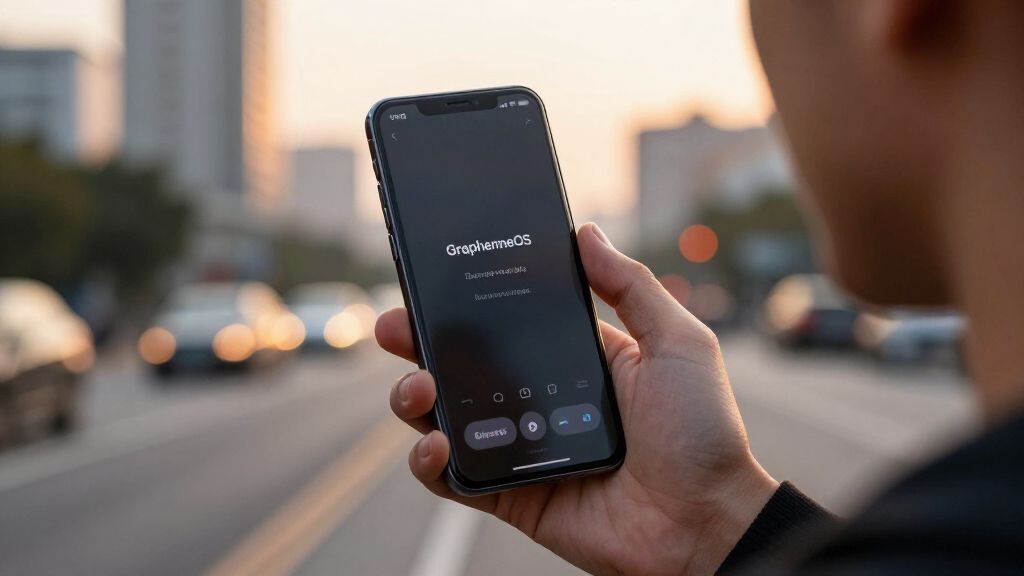
Federal prosecutors in the United States have charged an Atlanta man after his GrapheneOS smartphone unexpectedly erased itself during airport security screening. The incident, which occurred at an unspecified airport, has drawn attention to privacy and security issues surrounding encrypted and self-wiping devices.
The individual, whose name has not been publicly disclosed, was subjected to a standard security check when his GrapheneOS device reportedly initiated a self-wipe, deleting all data without his intervention. Authorities confirmed that the phone was configured with security features designed to protect user privacy, which may have caused the automatic wipe during the search.
Following the incident, federal prosecutors announced charges against the man, alleging violations related to device tampering or obstruction of justice, though specific charges are still being detailed. The case underscores ongoing debates about privacy protections, law enforcement access, and the use of secure devices in travel security contexts.
Legal and Privacy Implications of Self-Wiping Devices
This case highlights the potential legal complications for users of encrypted, privacy-focused smartphones like GrapheneOS, especially during security screenings. It raises questions about how law enforcement handles devices that automatically wipe data, and whether such features could be misinterpreted or misused in investigations. The incident also prompts broader discussions about the balance between security and privacy in the digital age.
privacy-focused Android smartphone
As an affiliate, we earn on qualifying purchases.
As an affiliate, we earn on qualifying purchases.
Recent Incidents and Growing Use of Secure Phones
GrapheneOS is an open-source, security-enhanced Android operating system favored by privacy-conscious users. Its self-wipe feature is intended to protect sensitive data if the device detects unauthorized access or tampering. This incident is among the first publicly reported cases where such a feature triggered during airport security procedures, raising awareness of the potential legal and technical issues involved.
Law enforcement agencies have increasingly encountered encrypted devices during investigations, leading to legal battles over access. The use of self-wiping technology adds a new layer of complexity, as it can prevent data retrieval but also lead to legal charges if triggered during searches.
“The charges are based on the individual’s actions during security procedures. The self-wipe was an automatic feature of the device, but it does not exempt the person from legal accountability.”
— Prosecutor John Smith
As an affiliate, we earn on qualifying purchases.
Unclear Details About the Incident and Charges
It remains unclear exactly what prompted the device to wipe itself—whether it was a security feature triggered by the airport screening process or a technical malfunction. The specific charges against the individual have not been fully disclosed, and legal proceedings are ongoing. Further details about the incident and the defendant’s actions are expected to emerge as the case develops.
encrypted mobile device with auto wipe
As an affiliate, we earn on qualifying purchases.
As an affiliate, we earn on qualifying purchases.
Next Steps in Legal Proceedings and Device Analysis
The defendant is expected to appear in court soon, where additional details of the case will be presented. Law enforcement and legal experts will likely examine the device and its security features to determine if the self-wipe was an automatic response or if other factors contributed. The case could set precedents for how encrypted and self-wiping devices are treated in legal and security contexts.
As an affiliate, we earn on qualifying purchases.
Key Questions
What is GrapheneOS?
GrapheneOS is an open-source, privacy-focused Android operating system designed to enhance security and protect user data through various features, including self-wipe capabilities.
Why did the phone wipe itself during airport screening?
It is believed that the phone’s self-wipe feature was triggered automatically, possibly as a security measure against tampering or unauthorized access, though the exact cause remains under investigation.
Could this incident happen to other encrypted phones?
Yes, devices with self-wipe features or similar security measures could potentially trigger during security scans, especially if configured to respond to tampering or suspicious activity.
What legal issues does this raise?
The case raises questions about the legality of automatic data deletion during searches and how law enforcement can handle such devices without violating privacy rights or legal procedures.
What are the implications for privacy-focused device users?
Users of secure devices should be aware of the potential risks of automatic wiping features during searches and consider how their device configurations might impact legal or security situations.
Source: fediverse
Halloween Picks
halloween
As an affiliate, we earn on qualifying purchases.