

Cloud penetration testing is key for keeping your cloud environment safe from potential threats. It helps you identify vulnerabilities before hackers can exploit them, ensuring your sensitive data remains secure. By mimicking attacker tactics, you can understand how they target weaknesses and strengthen your defenses. Regular testing is essential as your cloud setup evolves, keeping your security measures effective against new threats. Want to discover more about how to enhance your cloud security strategy?
Key Takeaways
- Cloud penetration testing evaluates the security of cloud environments by identifying vulnerabilities that could be exploited by malicious actors.
- It utilizes structured methodologies to simulate attacker behavior and assess cloud infrastructure resilience.
- Regular testing is crucial due to the dynamic nature of cloud environments and the potential for new security gaps.
- Both external and internal testing approaches are employed to assess access controls and detect unauthorized data exposure.
- Effective penetration testing enhances overall cloud security, supports compliance, and protects sensitive data from breaches.

Cloud Penetration Testing
How secure is your cloud environment? This question is more vital than ever as businesses increasingly rely on cloud services for their operations. While the cloud offers convenience and scalability, it also introduces unique security challenges. You need to guarantee your cloud security measures are robust enough to withstand potential threats. One effective way to evaluate your cloud environment’s security is through penetration testing, which involves simulating attacks to identify vulnerabilities before malicious actors can exploit them.
Penetration methodologies are essential in this process. They provide structured approaches to testing your cloud infrastructure, identifying weaknesses, and validating your security measures. By employing these methodologies, you can systematically gauge the resilience of your cloud environment. It’s not just about having advanced security tools; you need to understand how attackers think and operate. This understanding will help you anticipate potential security breaches and mitigate risks accordingly.
Penetration methodologies provide a structured framework for assessing cloud security and understanding attacker behavior to enhance defenses.
When you conduct penetration testing, you’re fundamentally putting your cloud environment to the test. You’ll want to mimic the tactics that hackers might use to infiltrate your systems. This includes leveraging automated tools and manual testing techniques to probe for vulnerabilities in your cloud applications, configurations, and access controls. A thorough evaluation can reveal configuration errors, inadequate encryption, and other security gaps that could compromise your data. Moreover, protecting payment data is essential for business integrity, as over 1.8 billion payment card records were compromised in 2020.
Incorporating a variety of penetration methodologies ensures a complete evaluation of your cloud security. For example, you might start with external testing, where you assess your cloud resources from an outside perspective. This approach helps identify issues like exposed services or data that could easily be accessed by unauthorized users. Next, internal testing can simulate an insider threat, where you evaluate how an attacker could exploit permissions or access controls from within the system.
It’s also vital to keep in mind that cloud environments are dynamic. As you deploy new services or modify existing setups, your security posture may change. Regular penetration testing should be part of your security strategy. By routinely evaluating your cloud infrastructure, you can adapt to evolving threats and ensure that your defenses remain effective.
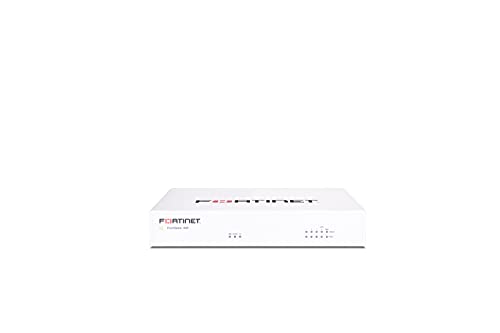
FortiGate-40F Firewall Appliance - 5 Gigabit Ethernet RJ45 Ports, Ideal for Small Businesses (Appliance Only, No Subscription) (FG-40F)
Compact and Efficient Design: The FortiGate 40F is designed for small to mid-sized businesses and enterprise branch offices,...
As an affiliate, we earn on qualifying purchases.
Frequently Asked Questions
What Tools Are Commonly Used for Cloud Penetration Testing?
When you delve into cloud penetration testing, you’ll commonly use tools like AWS Inspector, Azure Security Center, and Google Cloud Security Scanner. These penetration tools help you assess cloud security by identifying vulnerabilities in your configurations and applications. Additionally, tools like Nmap and Metasploit can be effective for scanning and exploiting cloud services. By leveraging these tools, you can enhance your cloud security posture and protect sensitive data from potential threats.
How Often Should Cloud Penetration Testing Be Performed?
You should perform cloud penetration testing at least annually to guarantee robust cloud security. However, if you experience significant changes in your cloud environment, like new services or architecture updates, it’s wise to increase the testing frequency. Regular assessments help you identify vulnerabilities and keep your data safe. Staying proactive with your testing schedule not only strengthens your defenses but also builds confidence in your cloud infrastructure’s security.
What Are Common Vulnerabilities in Cloud Environments?
Common vulnerabilities in cloud environments include misconfigured permissions and insecure APIs. When you set up your cloud services, it’s vital to regularly check permissions to make certain users only access what they need. Insecure APIs can expose your data and services to unauthorized access, so verify you secure them with proper authentication and encryption. Regularly reviewing these aspects can help you mitigate risks and protect your cloud infrastructure effectively.
Who Should Conduct Cloud Penetration Tests?
When it comes to cloud penetration tests, you shouldn’t leave any stone unturned. You should engage specialized security professionals who understand shared responsibility models and compliance standards. These experts can identify vulnerabilities that might slip through the cracks. They’ll guarantee your cloud environment meets regulations while safeguarding your data. By having the right team conduct these tests, you’re not just checking boxes; you’re actively protecting your assets and enhancing your security posture.
What Regulations Affect Cloud Penetration Testing Practices?
Regulations like GDPR, HIPAA, and PCI-DSS critically affect cloud penetration testing practices. You need to guarantee your testing aligns with data privacy laws, which require safeguarding sensitive information. Compliance standards dictate how you handle vulnerabilities and reporting. Failing to adhere to these regulations can lead to hefty fines and reputational damage. So, it’s essential to stay informed about the latest requirements to keep your cloud environment secure and compliant.

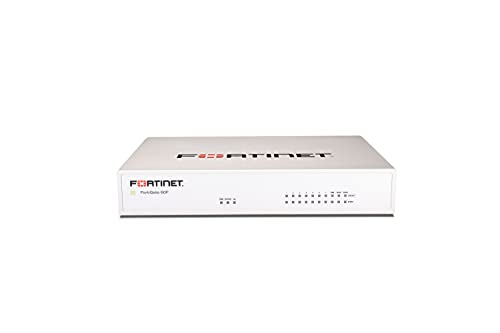
FortiGate-100F Firewall Appliance - 22 Gigabit Ethernet RJ45 Ports, 4 SFP & 2 10G SFP+ Ports, Dual Power Supplies (Appliance Only, No Subscription) (FG-100F)
Comprehensive Connectivity and Redundancy: The FortiGate 100F Firewall Appliance features an extensive array of connectivity options including 22...
As an affiliate, we earn on qualifying purchases.
Conclusion
In summary, cloud penetration testing is essential for safeguarding your cloud environment from potential threats. By actively identifying vulnerabilities, you can strengthen your security posture. For instance, a hypothetical company, CloudTech Solutions, discovered a misconfigured S3 bucket during a penetration test, exposing sensitive customer data. By addressing this issue promptly, they not only protected their clients but also maintained their reputation. So, don’t underestimate the importance of regular cloud penetration testing; it’s an indispensable step in securing your digital assets.
FortiGate-60F Firewall Appliance - 10 Gigabit Ethernet RJ45 Ports, Includes DMZ, WAN & Internal Ports (Appliance Only, No Subscription) (FG-60F)
Extensive Connectivity Options: The FortiGate 60F is designed with 10 GE RJ45 ports, including 2 WAN ports, 1...
As an affiliate, we earn on qualifying purchases.

Zyxel USGFLEX100H Cyber Security Firewall | 4 Gbps, Up to 50 Users | Hardware Only | 8X Gigabit Ports | IPSec/SSL VPN, IPS Anti-Malware, UTM | Nebula Cloud | Fanless | TAA Compliant
MULTI-LAYERED SECURITY HARDWARE: Reputation filtering (IP/DNS/URL) and SecuReporter visibility included in Entry Defense Pack, while the optional Gold...
As an affiliate, we earn on qualifying purchases.